This content is not available in your region
PU75-BLOWN UP - London s Iran War PsyOp Just Backfired On Them - Promethean Updates
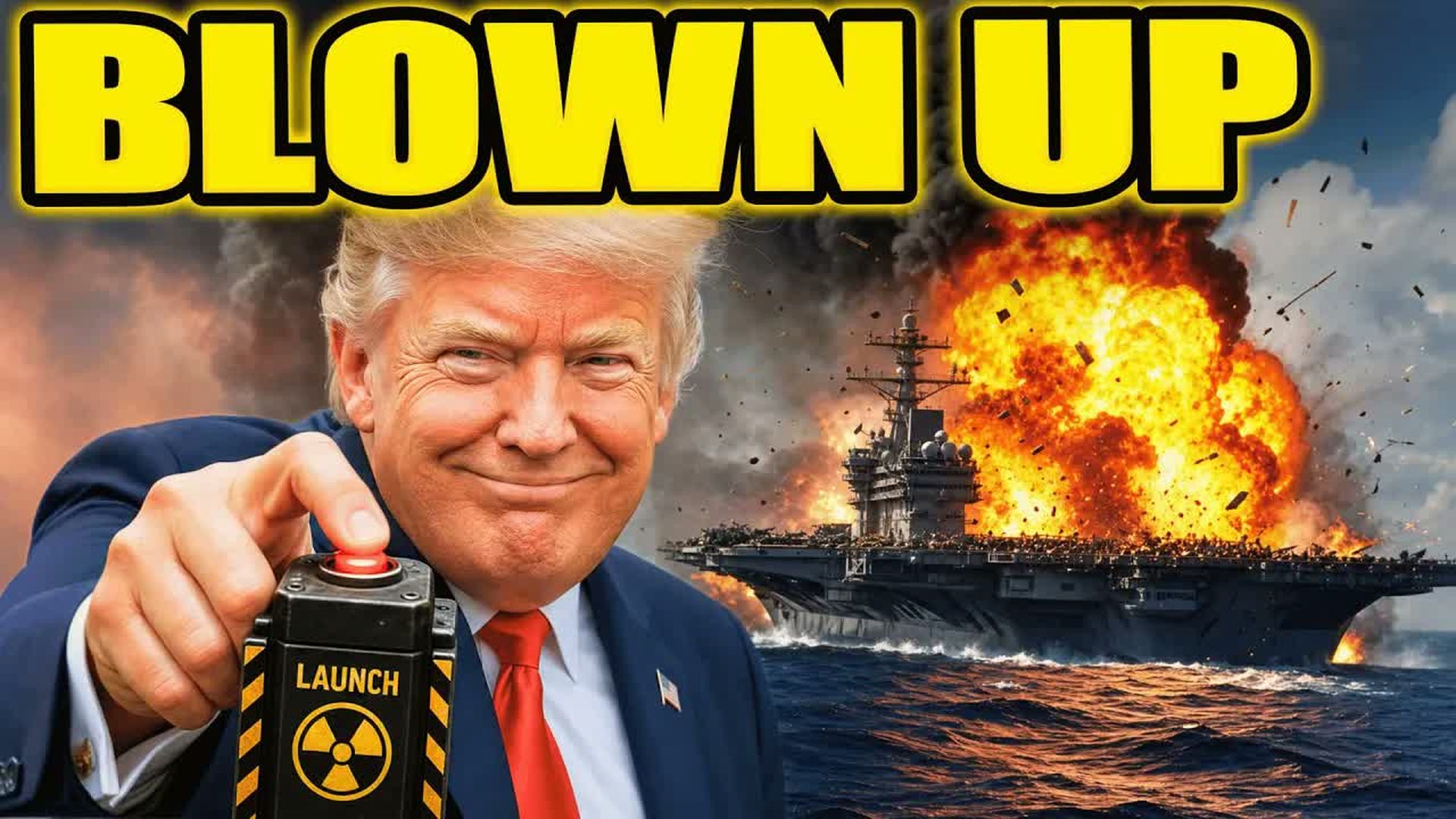
This episode delves into the intricacies of the USS Lincoln narrative used during the Iran War, revealing how psychological warfare tactics are woven into the media portrayals of U.S. troops. The conversation begins by examining the recent coverage by BBC and the New York Times, which depict U.S. sailors aboard the USS Lincoln as suffering from stress, igniting outrage among veterans like double amputee Joey Jones. He challenges portrayals of military personnel as victims, emphasizing their inherent strength and resilience. Secretary of the Navy Hung Kao also highlights the media's critical role in framing troops as weak, detracting from their true nature as defenders of American values.Barbara Boyd presents a piercing critique of the way British propaganda techniques have resurfaced in modern conflicts, comparing current manipulations with historical practices. She argues that these tactics, based on strategic psychological operations, aim to manipulate public perception and erode national confidence. A key point of contention is the contrast between the current administration’s handling of military narratives and prior Democratic leadership, especially under Barack Obama.Vice President Vance's insights on the energy strategies underpinning the conflict provide context for the economic stakes involved, reinforcing the notion that psychological operations are as crucial as direct military engagement. The episode scrutinizes how cleverly orchestrated media narratives can kneecap national resolve by exploiting vulnerabilities around gas prices and national security, conditioned by years of psychological warfare.Key historical thinkers like Bertrand Russell and institutions like the Tavistock Institute are brought into the conversation to underscore a continuum of psychological manipulation from past wars to today’s information battles. The principles of cognitive warfare highlight the use of targeted messaging as a weapon to achieve desired outcomes, showing how ordinary citizens can be unwittingly turned into pawns within complex geopolitical games.Finally, the discussion circles back to the implications of the media's role in framing the troops' psyche, revealing an unsettling truth: in their attempt to paint a narrative of American weakness, they may inadvertently galvanize a stronger national identity, feeding the resolve of those who support the troops unconditionally. As we reflect on these layers of psychological strategy, we grapple with what this means for America's future in conflict and identity.
Categories: News