This content is not available in your region
PU42-Trump s New Bretton Woods - Why Judy Shelton Just Took a Sledgehammer to the Fed - Promethean Updates
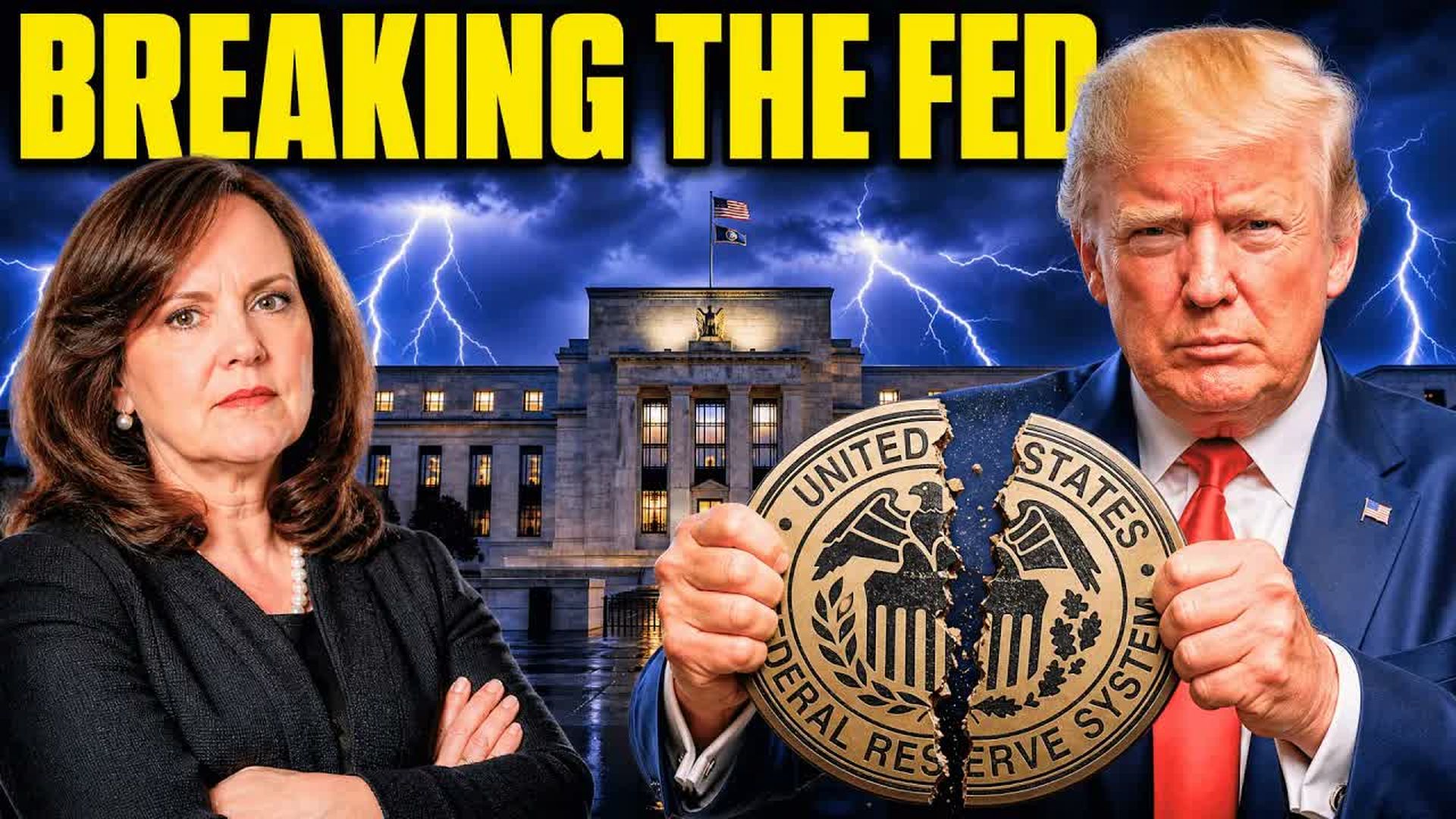
MSNBC's Squawk Box recently hosted Judy Shelton, boldly staking her claim for a radical overhaul of the Federal Reserve's approach to the economy. She's rallying against the entrenched Keynesian dogma that views economic growth and low unemployment as inherently inflationary. Instead, Shelton asserts that bolstering productive activities enhances supply, effectively countering inflation by meeting rising consumer demand head-on. Her critique doesn't stop at mere policy; she's calling into question the very economic framework established since the downfall of Bretton Woods in 1971. This week’s events saw a pivotal moment with Kevin Warsh stepping in to reshape the Fed's direction. Originally nominated by Donald Trump, Shelton's vision includes low interest rates, stable exchange rates, and a renewed emphasis on rising wages, firmly placing U.S. economic policy in a new global context. As Shelton continues to challenge the Fed's interpretations, she's also boosting the call for an innovative Bretton Woods, aiming to disentangle the U.S. economy from Wall Street's grip. Historical echoes resonate as she confronts the influence of figures like John Maynard Keynes, who once attempted to undermine America’s robust economic system. Barbara Boyd unpacks the broader historical narrative, revisiting the original Bretton Woods conference which laid the groundwork for America's postwar prosperity, contrasting Roosevelt's vision with the subsequent drift toward imperial economics that undermined national production. As Trump’s administration seeks to streamline credit systems outside the Fed's constraints, Boyd highlights Trump's foreign strategy, evident in his strengthening ties with nations like India, China, and Japan. These relationships are not just diplomatic; they’re strategically essential to reclaiming economic sovereignty from the dominance of speculative finance. With the introduction of a Quad critical minerals framework, the U.S. is positioning itself for a dynamic shift away from reliance on external powers. As the episode dives deep into these themes, it presents a compelling case for reevaluating the dynamics of global finance in light of changing geopolitical landscapes. Shelton’s challenge is more than a critique of policy; it’s a clarion call for an economic renaissance rooted in production and equitable growth.
Categories: News