This content is not available in your region
CE96-I Investigated 8 Sugar Substitutes... So You Don t Have To Which Are Better - Consumer Exposed
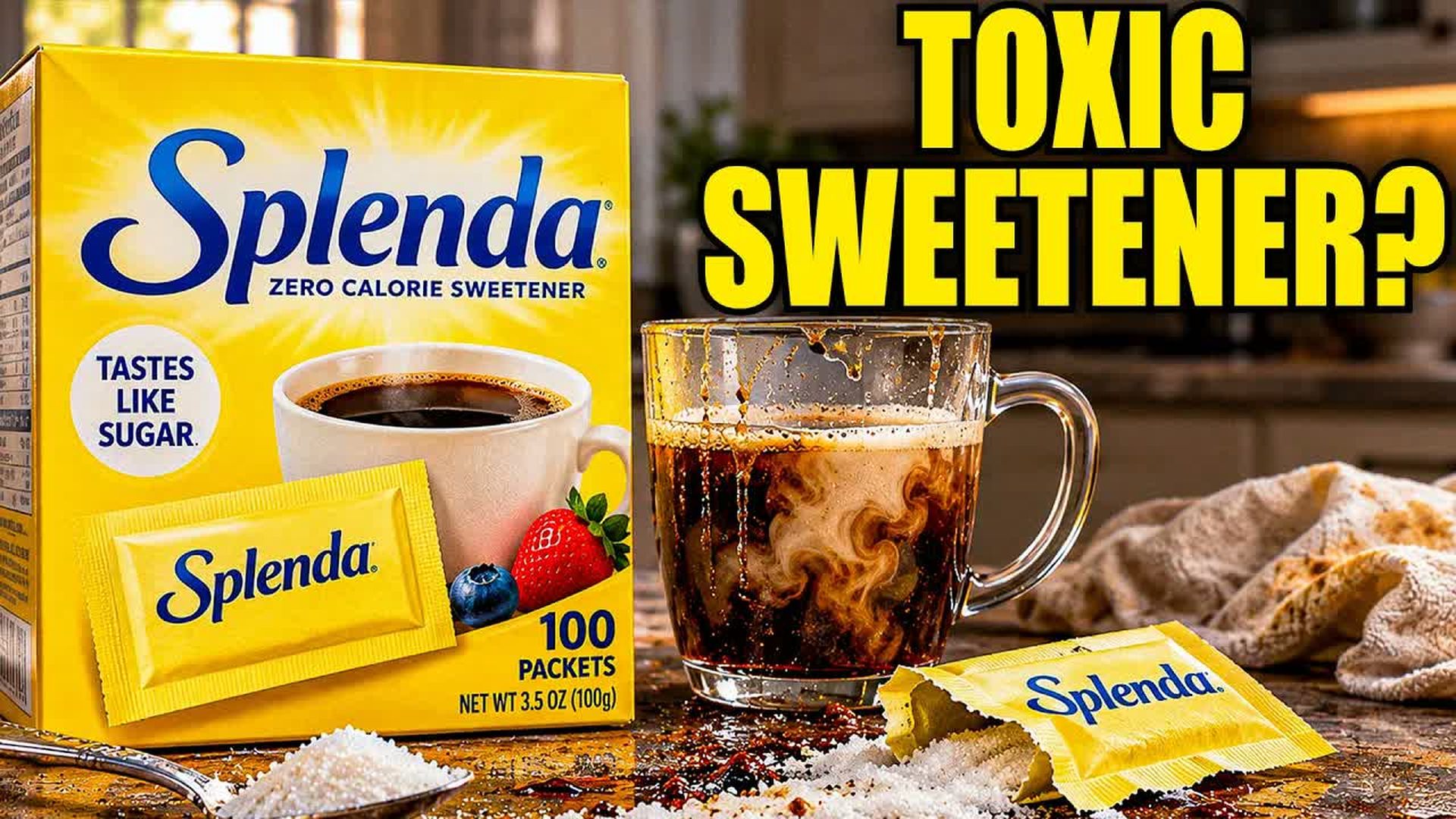
The hosts peel back the glossy packaging of everyday sweeteners to reveal what’s really inside. Starting with Sugar in the Raw, they expose a packet that is nothing but turbinado cane sugar—more calories and the same blood‑sugar spike as white sugar, masquerading as a healthier choice. They then turn to Sweet and Low, where a 1977 FDA ban on saccharin forced a switch to dextrose, a pure glucose filler with a glycemic index of 100, and cite a 2022 Cell trial linking low‑dose saccharin to impaired glucose tolerance and gut‑microbiome changes. Store‑brand sweeteners get a call‑out for copying name‑brand formulas, loading shoppers with corn‑derived fillers like erythritol, maltodextrin and sucralose in bulk quantities. Swerve’s promise of zero calories is undercut by Cleveland Clinic research in Nature Medicine showing a massive, sustained rise in blood erythritol that can trigger platelet clumping, prompting the EFSA to set a daily intake ceiling that a single baking batch can exceed. Stevia in the Raw and similar packets hide dextrose or maltodextron as the dominant ingredient, delivering a glycemic impact that outpaces regular sugar despite a “zero‑calorie” label. Lakanto Classic’s monk‑fruit branding masks an erythritol‑dominant blend, subject to the same cardiovascular concerns as Swerve. Equal’s blue packet lists dextrose and maltodextrin before aspartame, and the episode notes the IARC’s 2023 classification of aspartame as possibly carcinogenic. After cataloguing the eight problematic brands, the hosts shift to four clean alternatives. Allulose, a single‑ingredient sugar molecule approved by the FDA, behaves like real sugar in cooking and browning, though it can cause digestive upset at high doses. Pure Monk Fruit Extract offers a plant‑derived, high‑purity sweetener with no known health flags. Finally, pure stevia extract—certified organic or high‑purity steviol glycoside—delivers zero calories without fillers, though taste nuances depend on the REB‑A versus REB‑M profile. The episode equips listeners with a two‑step label test: first ingredient must be the plant sweetener, and the ingredient list should be a single item. Anything else signals a cost‑driven filler product. Share this guide to empower anyone still reaching for Splenda, Equal or other hidden‑filler packets.
Categories: Food