This content is not available in your region
CE91-We Investigated Honey From Walmart Target Aldi More Here Are the 5 We d Buy - Consumer Exposed
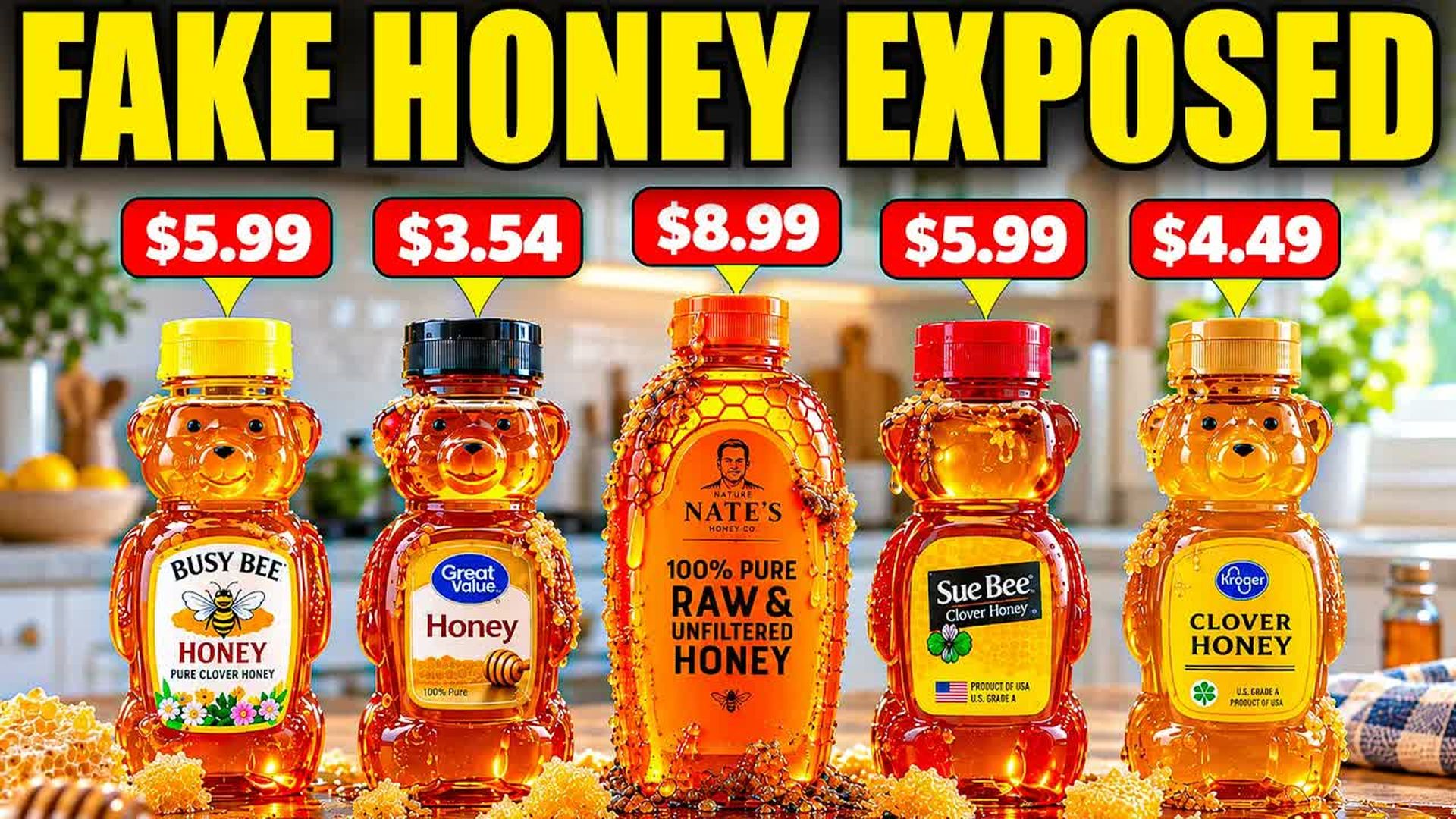
The latest Consumer Exposed investigation pulls back the lid on a hidden honey scandal that reaches every major grocery aisle. Food Safety News sampled 17 store‑brand jars from Walmart, Target, Kroger, Safeway and others, finding that 76% contained zero detectable pollen – a clear sign of ultrafiltration, which the FDA says disqualifies a product from being called honey. The episode walks listeners through the science of pollen testing, enzyme loss, and HMF formation, explaining why ultrafiltration erases both geographic origin and the health‑protective compounds that make real honey valuable.Listeners learn how deceptive rating systems like the privately‑created K‑Factor mask low MGO levels, while the legitimate UMF certification demands independent testing of four biological markers. The show details class‑action lawsuits exposing false advertising, cites USDA lab evidence of sub‑standard MGO, and highlights the staggering statistic that up to 83% of global Manuka honey may be counterfeit. Brands from Aldi’s Berry Hill to Walgreens’ Nice, Whole Foods 365, Publix, Target’s Market Pantry, Kroger, Busy Bee, and Sue Bee are examined, with lab results from QSI, Eurofins, and TrueSource revealing industrial syrups, rice syrup, and cane sugar hidden behind “raw,” “organic,” or “pure” labels.Beyond the expose, the episode equips shoppers with five DIY tests – shake, water drop, thumb tilt, vinegar reaction, iodine test, and the fire test – to spot adulterated honey in seconds. It then offers a curated list of five trustworthy options, from Savannah Bee Company’s Tupelo honey to Steens Manuka (UMF‑certified), Monocora (QR‑linked batch results), and finally local farmer‑market honey, which consistently shows full pollen, active enzymes and low HMF. The hosts stress that price alone isn’t a quality guarantee and that the only reliable way to ensure purity is to trace the honey back to the hive.By the end of the episode, listeners understand the economic incentives driving honey laundering, the regulatory gaps that allow it, and the concrete steps they can take to protect themselves and their families from mislabeled sweeteners.
Categories: Food