This content is not available in your region
CE90-Stop Buying These 9 Sugar Brands And 3 That Keep It Pure and Simple - Consumer Exposed
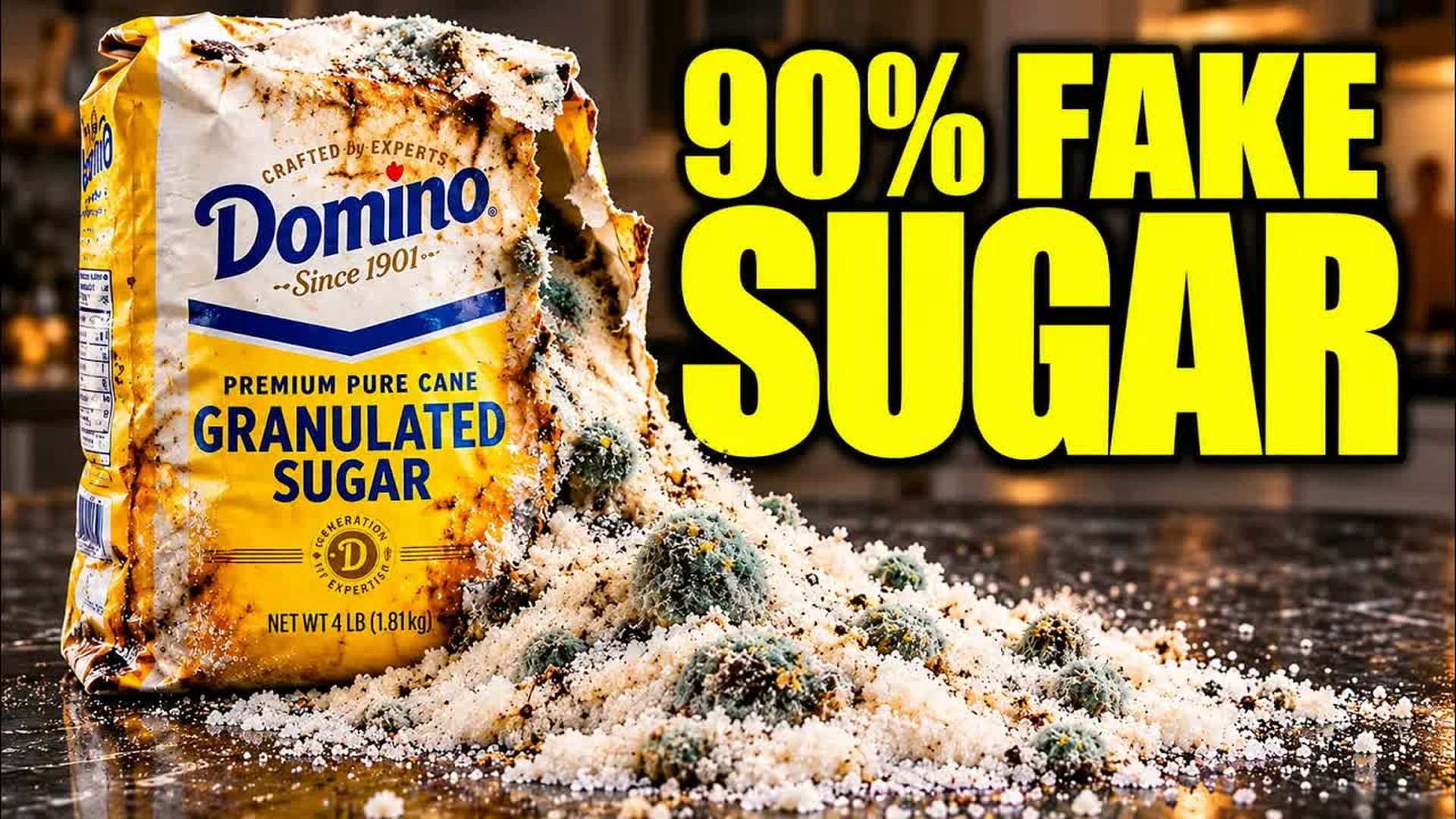
The hosts peel back the glossy marketing on everyday sweeteners, exposing three systemic failures that let brands hide what’s really inside. First, they reveal how “natural,” “zero,” and green leaf logos are legally meaningless, and why a single word “sugar” on a label can mask whether the product comes from genetically‑modified beet or cane. Great Value’s budget sugar, for example, offers no plant source or GMO status, while its organic cane counterpart does—yet both sit side‑by‑side, leaving shoppers in the dark. Next, the investigation shows how ingredient hierarchy tricks consumers. Stevia in the Raw and Monk Fruit in the Raw both list dextrose—corn‑derived, likely GMO—before the plant extracts they tout, turning a “0‑calorie” claim into a legal rounding trick that still delivers sugar to the body. The hosts point out that the same company uses this formula across its entire line, a deliberate business architecture rather than an oversight. The third thread dives into contradictory health agency messages. Aspartame’s blue packet (Equal) sits at the center of a clash: the WHO’s IARC classifies it as possibly carcinogenic, while the FDA and FAO‑WHO JECFA maintain its safety at current intakes. The hosts argue that this unresolved scientific split makes the product’s long‑standing presence on kitchen tables untenable for health‑conscious shoppers. Amid the warnings, the hosts highlight three brands that close the transparency gap with robust third‑party certifications. Splenda’s “Wholesome” line carries USDA Organic, Fairtrade, Non‑GMO Project, Vegan, Kosher and Gluten‑Free seals—each backed by external audits that guarantee no bone char and traceable sourcing. Florida Crystals Organic stands out as the only U.S. sugar with Regenerative Organic Certification, ensuring soil health, animal welfare and worker fairness, while also being bone‑char‑free despite sharing a parent company with Domino and C&H. The episode ends with a call to action: read the ingredient list, demand full sourcing disclosures, and choose products whose certifications are legally enforceable rather than marketing fluff. By understanding the three failure patterns—undisclosed processing, misleading natural claims, and engineered transparency gaps—listeners can finally see past the sweet veneer and make informed choices at the pantry shelf.
Categories: Food