This content is not available in your region
CE88-Tea Brands You Should NEVER BUY And 5 That Keep Plastic Out of Tea Bags - Consumer Exposed
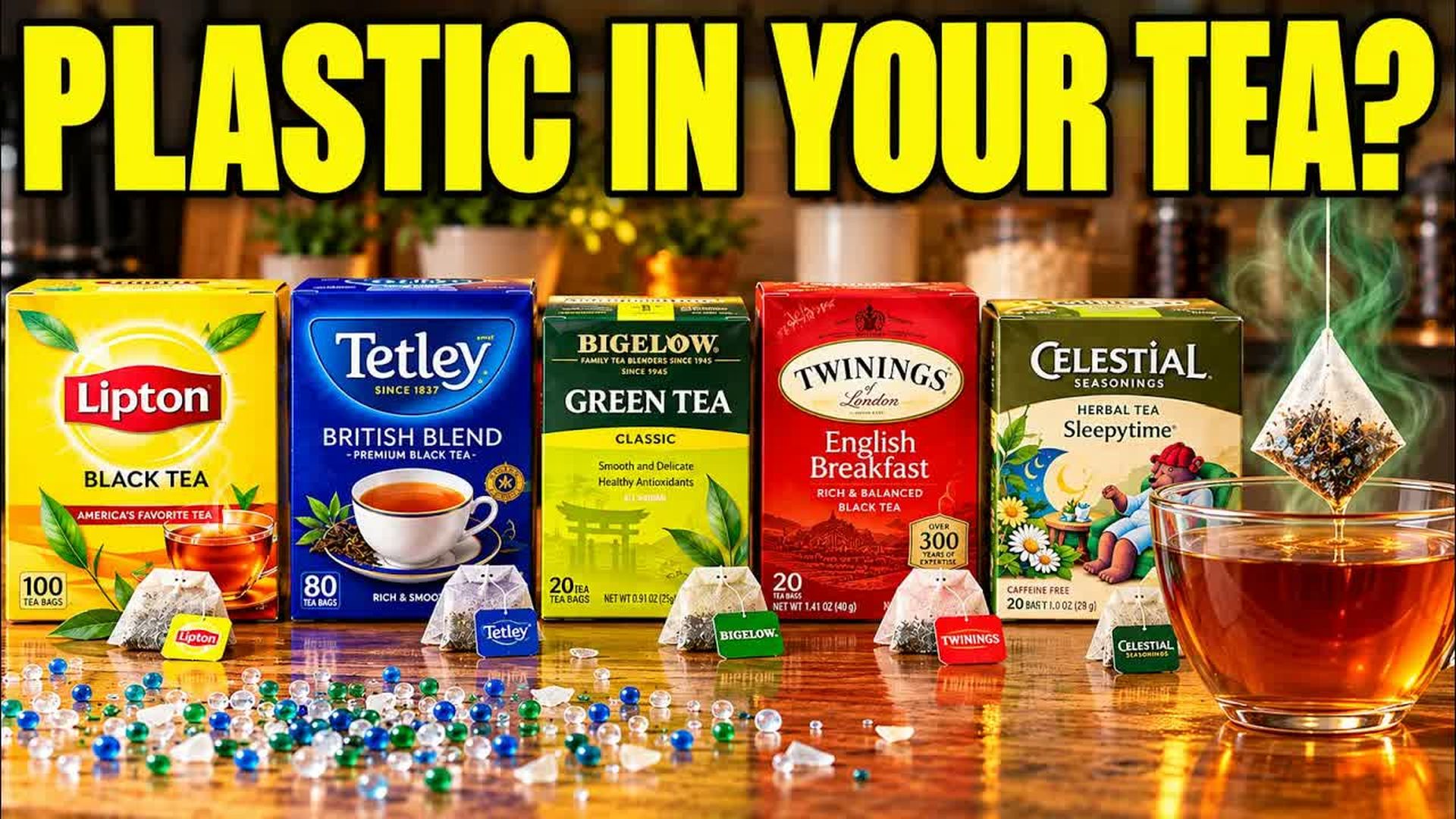
Your morning tea might be sipping plastic. In this deep‑dive, the host unpacks the hidden polymers lurking in everyday teabags and explains why the material matters when hot water meets your cup. Tetley, a household staple, openly admits a small amount of plastic seals its bags—yet the exact composition can vary by market, making it hard for shoppers to verify. Mighty Leaf’s premium, corn‑starch‑based PLA pouches look natural but still require industrial composting, so the plastic exposure remains unless you switch to loose leaf. Clipper offers a case study in labeling: it swapped polypropylene for PLA in 2018, then revised its “plastic‑free” claim when regulators tightened the definition, leaving the bag material unchanged. Harney & Sons’ silky sachets use BPA‑free nylon—still plastic—while their paper bags avoid polyethylene and PLA, illustrating how a single brand can span both sides of the debate. Dylma, praised for ethical sourcing, now uses PLA filter paper, highlighting that sustainability credentials don’t guarantee a plastic‑free brew. The episode then flips to the good news: Bigelow, Stash, NuMe, Traditional Medicinals, and Pucca provide clear, plastic‑free bag disclosures. Bigelow’s non‑heat‑sealed paper blends wood pulp and abaca fiber; Stash eliminates the hidden heat‑seal layer; NuMe and Traditional Medicinals follow similar transparent practices; Pucca even admits a thin plastic coating on the outer envelope while keeping the bag itself plastic‑free. Listeners learn practical steps—choosing brands with honest labeling, opting for loose leaf with a stainless steel infuser, or selecting the verified plastic‑free bags—to reduce polymer contact without sacrificing convenience. The host also clarifies the science: microplastic release varies by material, with nylon and polyethylene generating the most particles, but no definitive health outcomes have been proven for PLA. Armed with this information, you can make an informed choice the next time you reach for a tea box.
Categories: Food