This content is not available in your region
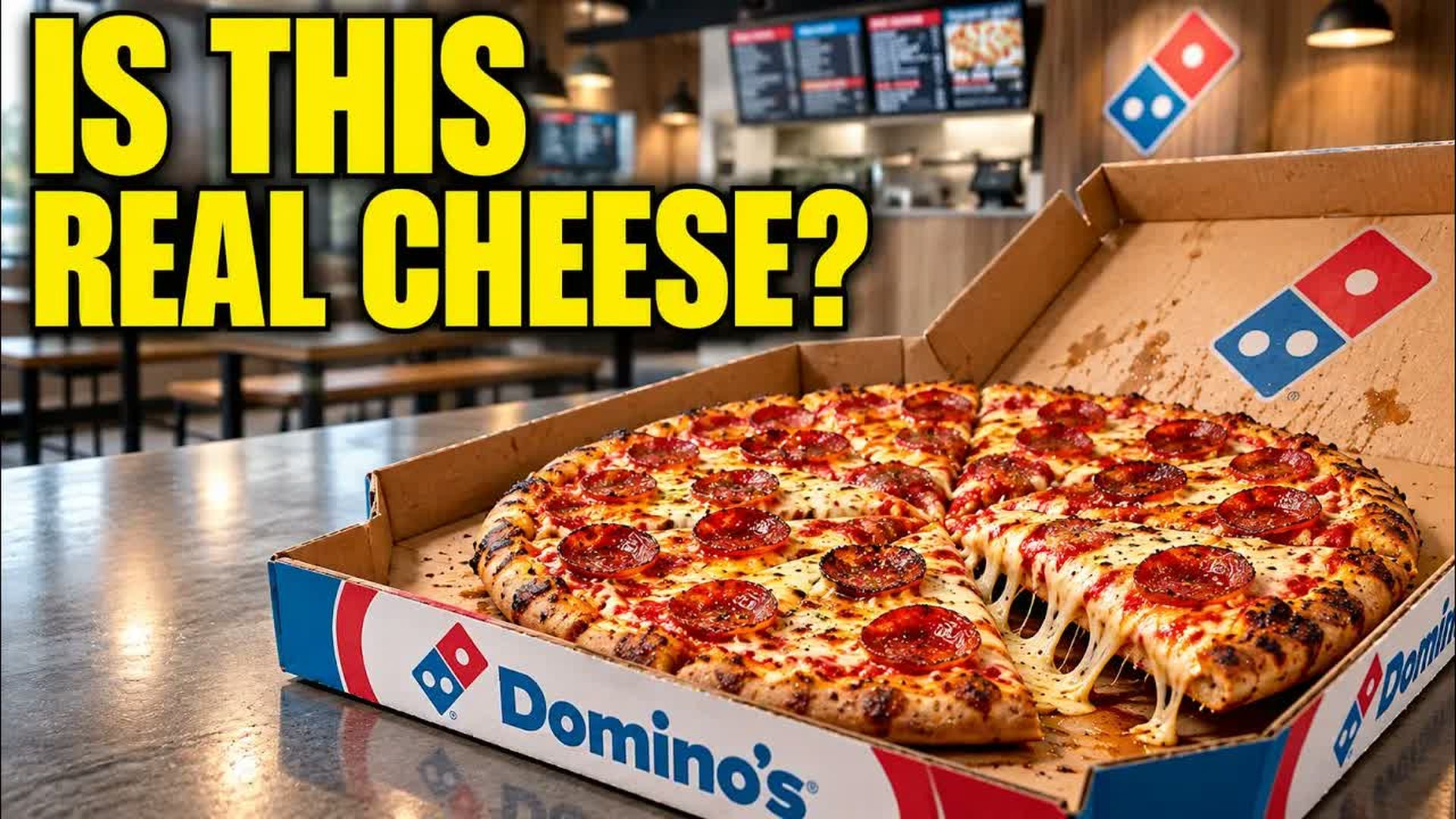
CE84-We Investigated 12 US Pizza Chains 9 You Should NEVER Order From - Consumer Exposed
The hosts peel back the glossy marketing of America’s biggest pizza brands to reveal a hidden industry of cheese shortcuts. They start by explaining the FDA’s strict definition of mozzarella—45% milk fat, specific moisture levels, and only milk, cultures, salt, enzymes, and vinegar are allowed. Anything else—starch, vegetable oil, whey protein—automatically turns the product into a cheese blend, a detail that never appears on a menu board. From there, the episode ranks twelve chains, nine of which fail the cheese test. Sbarro tops the list, using modified food starch to lock in moisture and keep shreds from clumping. Sparrow’s bankruptcy history hints at cost‑cutting at the pan level, with no public ingredient list to verify what’s really in the cheese. CICs’ buffet model hides a glossy, flat cheese engineered for volume, while Blaze Pizza, despite its artisanal veneer, sneaks potato starch, canola oil, and cellulose into its mozzarella. Chuck E. Cheese’s real mozzarella sits beside a garlic‑butter spread made entirely of hydrogenated soybean oil, and its stuffed‑crust cheese relies on modified starch. Little Caesars surprises with a plain $5 pie that uses only real mozzarella and powdered cellulose, but its stuffed crust reverts to a starch‑laden blend. California Pizza Kitchen’s frozen pizzas aren’t even made by the restaurant; Nestlé produces them under license, so the brand name masks a completely different kitchen. Pizza Hut’s pan pizza is essentially fried in soybean oil, and its edge spread contains the same oil‑based additives. The investigation then highlights three chains that pass the test. Marcos offers a cheese blend free of starch, oil, and whey, delivering authentic stretch and flavor. Papa Murphy’s eliminates the transit problem altogether with a take‑and‑bake model, using only pasteurized milk, cultures, salt, and enzymes in its mozzarella and cheddar—no starch, no cellulose. The third clean chain is not named here, but it matches the same honest ingredient standards while pricing similarly to the more deceptive competitors. Listeners get a practical 60‑second check: search the chain’s name plus “ingredients,” locate the cheese line, and read past the first word. If the second word is anything like starch, whey, oil, or “blend,” the pizza isn’t legally mozzarella. The hosts urge the audience to share the last chain they still trust, building a community‑sourced list of truly honest pizza places. Next week, the series will turn to a national chicken sandwich chain, exposing a hidden soak that changes everything about the product.
Categories: Food