This content is not available in your region
CE83-Wine Brands to Skip And 5 That Are Actually Real Wine in America - Consumer Exposed
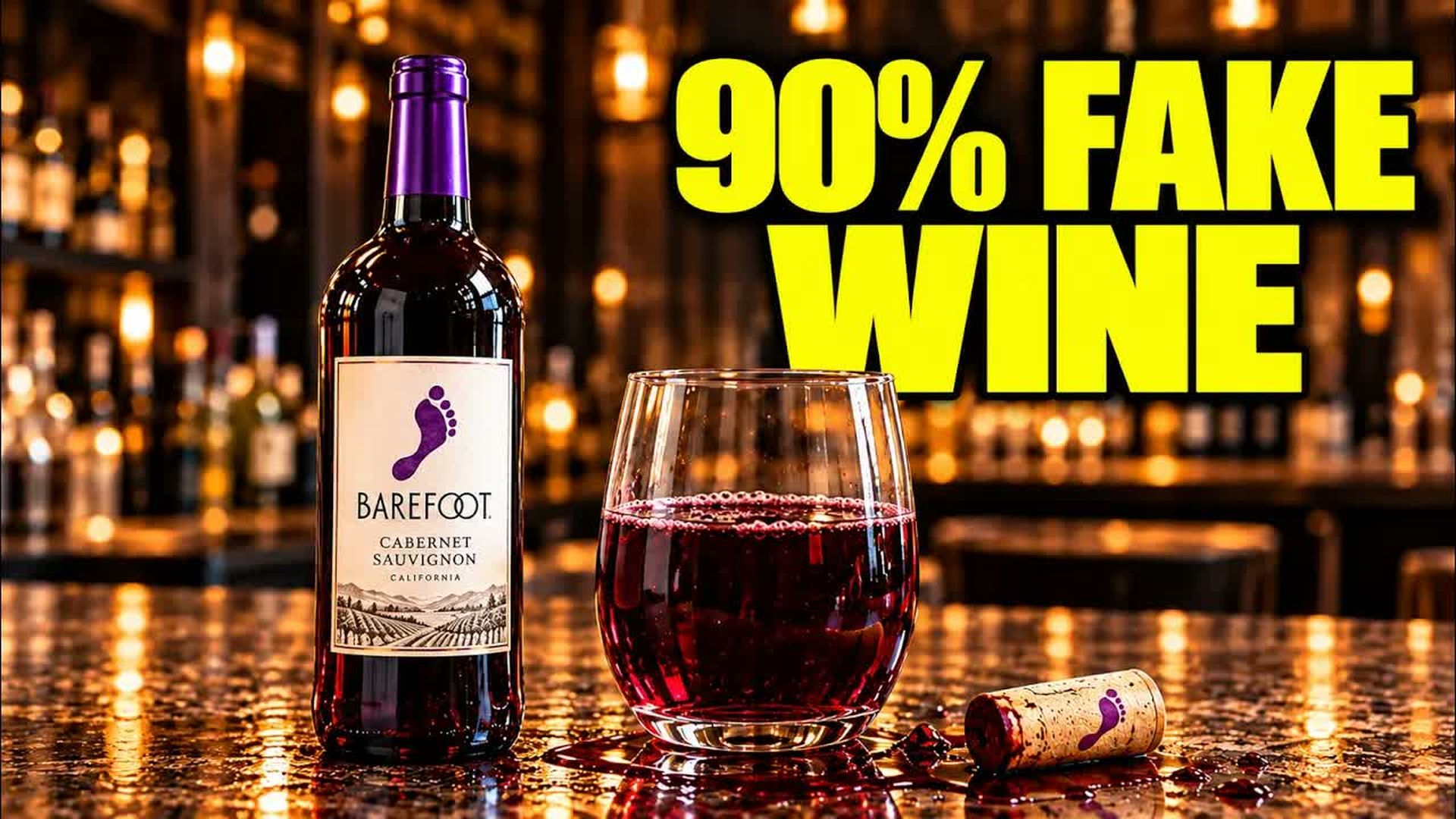
The hosts peel back the glossy labels of America’s most ubiquitous cheap wines to reveal a hidden world of industrial additives, arsenic lawsuits, and glyphosate residues. Starting at the bottom of the list, they expose Flip Flop’s beach‑y branding while independent labs flag elevated inorganic arsenic in its Pinot Grigio and Moscato, a problem traced to cheap fining agents and heavy preservatives. Cupcake Vineyards, marketed to first‑time drinkers, is linked to a class‑action suit over arsenic‑laden Malbec, while Vendange’s faux‑French allure masks five‑times‑EPA‑limit arsenic levels in its Merlot and White Zinfandel. The pattern repeats with Cook’s Spumante, Bay Bridge, and Glen Ellen Reserve, each relying on industrial sweeteners, color‑stripping chemicals, and contaminated groundwater.Mid‑rank, Barefoot’s cheerful label hides glyphosate at 36 ppb—well above background levels—while Charles Shaw’s two‑buck bottles carry arsenic from bentonite clay and legacy pesticide‑tainted water. Franzia’s box‑wine tap and Almaden’s heritage‑sounding bags both test positive for arsenic far above safety thresholds, illustrating how cost‑cutting chemistry infiltrates even the most familiar brands.The second half of the episode flips the script, spotlighting five wines that passed rigorous independent testing. Wine Cube’s Target‑shelf offerings, despite their curated image, still show arsenic violations, underscoring that retail halo isn’t a guarantee. In contrast, Avignanaceae’s Demeter‑certified Tuscan estate demonstrates how deep soil remediation and strict biodynamic standards can produce truly clean wine, albeit at a premium price. Finally, Dry Farm Wines is presented as the gold standard: a subscription club that only curates bottles proven free of glyphosate, arsenic, and other industrial residues, with strict limits on sulfites, residual sugar, and metal‑based fining agents.Listeners walk away with three actionable takeaways: scrutinize what the label omits, demand transparent ingredient lists, and prioritize wines backed by independent verification. The episode equips consumers to replace the “obviously safe” choices with bottles they can actually trust, turning the wine aisle into a space of informed decision‑making rather than blind brand loyalty.
Categories: Food