This content is not available in your region
CE74-We Investigated 10 US Seasoning Brands Most Contain More Additives Than Spices - Consumer Exposed
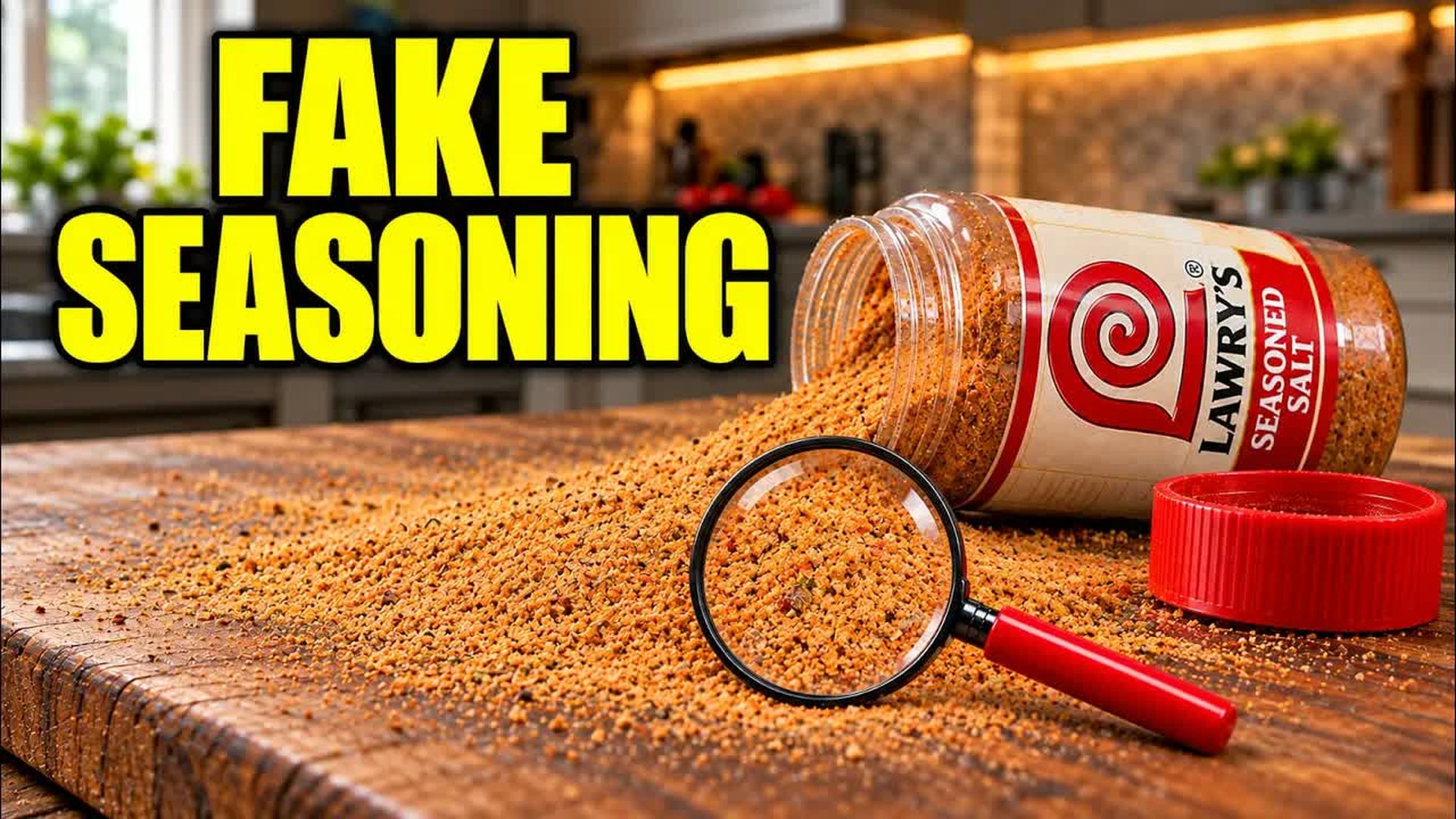
The episode pulls back the curtain on ten of America’s most ubiquitous seasoning brands, revealing how hidden anti‑caking agents, MSG, irradiation and corporate reshuffling turn premium‑priced jars into chemically‑enhanced shelf‑life tricks. Listeners hear a step‑by‑step countdown that starts with the glossy Spice Islands line—glass bottles, a $6.49 price tag, and the same silicon dioxide anti‑caking agent found in a $3.99 McCormick counterpart—while exposing B&G Foods’ ownership web that also controls Accent MSG and the reformulated Mrs. Dash. The host then dissects Lawry’s salt blend, now packed with three anti‑caking compounds and a catch‑all “natural flavor” after McCormick’s 2008 acquisition, and Morton Season All, which is 65% salt and 15% sugar before the actual spices appear. Badia’s budget garlic powder is shown to contain food‑grade sand and opaque sourcing, with past Consumer Reports lead findings that linger in homes. Old Bay’s historic Chesapeake formula is contrasted with McCormick‑added silicon dioxide, calcium stearate and sodium bisulfite, raising allergy concerns for asthma sufferers. Tony Chachere’s Cajun mix illustrates how a quiet private‑equity sale introduced MSG without label notice. After the expose, the host offers three clean‑label alternatives—Simply Organic’s USDA‑certified organic spices, Frontier Co‑op’s member‑owned, fully transparent blends, and Penzi’s family‑run, anti‑caking‑free line—explaining why organic certification, cooperative ownership and independent sourcing keep flavor and safety intact. The episode closes with three practical tips: count ingredients, check corporate ownership, and look for external certifications, empowering shoppers to choose spices that actually taste like spices, not warehouse chemistry.
Categories: Food