This content is not available in your region
CE7-I Investigated 8 US Mustard Brands Only 3 Are Family Safe - Consumer Exposed
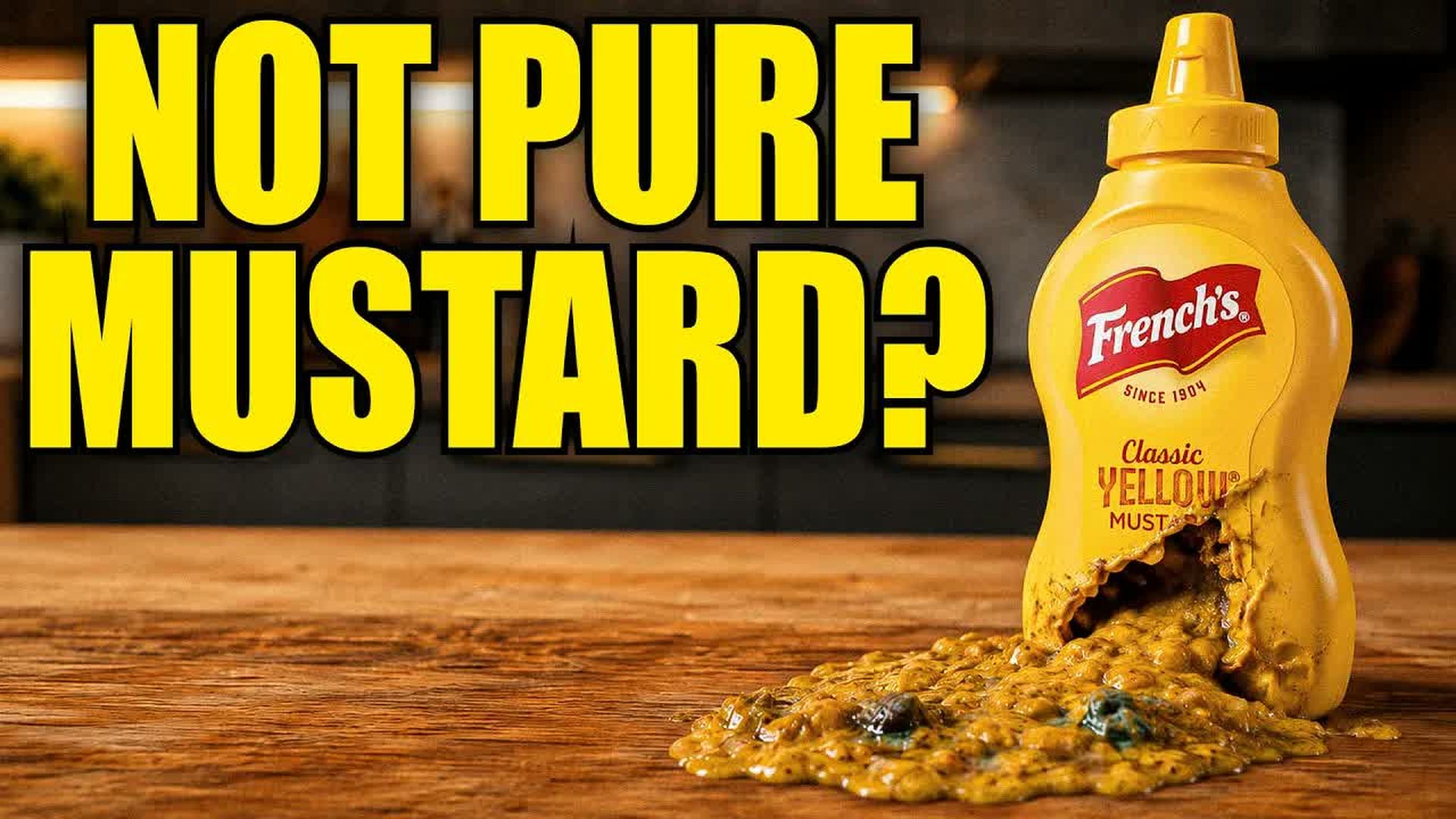
Mustard has always been a simple blend of four ingredients: mustard seed, vinegar, water, and salt. So why are popular mustard brands loaded with preservatives and artificial additives? This episode takes a deep dive into the changing landscape of mustard brands that consumers have long trusted. Take French's, for example, a staple in American households that was bought for $4.2 billion by McCormick, prompting questions about what lies behind its familiar label. Buyers are often unaware of how corporate ownership affects ingredient transparency and nutritional quality. With natural flavors sneaking into traditional recipes, what does that say about the mustard we’ve grown up with?Heinz, often associated with ketchup, offers a secondary mustard line that carries questionable ingredients like calcium disodium EDTA, a chelating agent connected to intestinal health concerns. Is this what you envision when reaching for a condimental icon? As we expose the agenda of brands like Kraft Heinz, we explore the cost cuts that endanger our health in favor of aesthetics—why does mustard need synthetic preservatives for color longevity?Plachmann's is another beloved brand with a seemingly clean label; however, the term 'natural' masks the fact that glyphosate is often present in the mustard seed processed within. Explore how the perception of 'natural' can be misleading in a market rife with corporate maneuvering.Adding complexity, we confront Golden's claims of an artisanal experience that falter upon inspection: synthetic additives reveal a stark contrast between branding and actual contents. And then there’s Grey Poupon, a brand synonymous with sophistication that raises questions when its inflated price tag doesn’t necessarily correspond with its ingredient quality.We also highlight clean options like Westbrae Natural and Sir Kensington’s that stick to tried-and-true recipes, reinforcing that mustard doesn’t need modern tweaks. With just a few natural ingredients, can we trust what's in our spice cabinet? Join us as we navigate the murky waters of mustard marketing, ingredient integrity, and corporate obligations, leaving you with critical insights about your condiments and the foods you choose to trust.
Categories: Family