This content is not available in your region
CE69-We Tested 9 Canned Salmon Brands From US Stores Only 4 Passed Our Test - Consumer Exposed
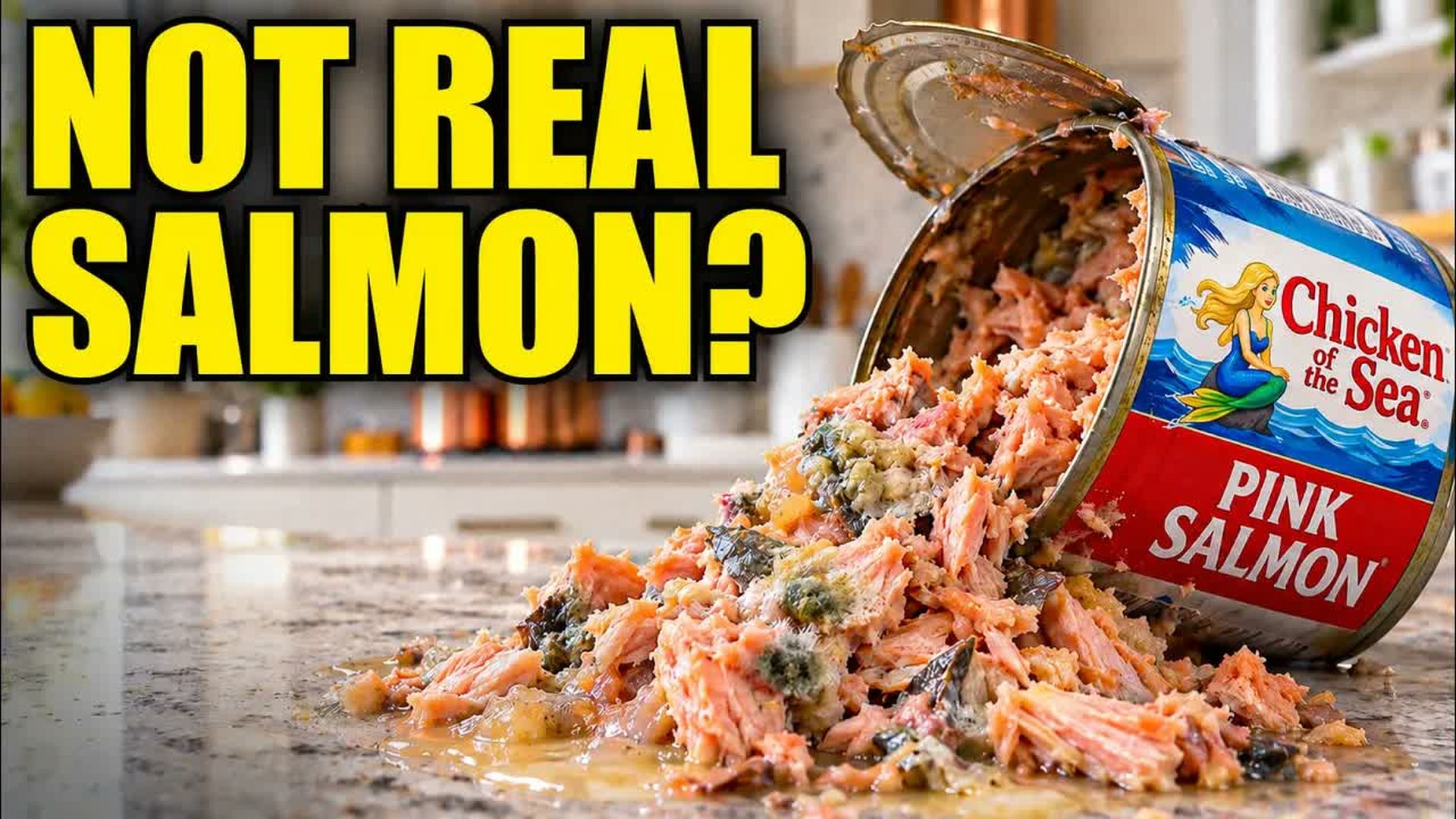
In this deep‑dive, the hosts of Consumer Exposed peel back the glossy labels on nine canned salmon brands to reveal a landscape riddled with price‑fixing convictions, BPA mysteries, hidden sodium spikes, and supply‑chain shortcuts. They start with Pink Beauty, a staple that offers no independent testing, no BPA‑free claim, and no traceable sourcing—just a label that can’t be verified. Honey Boy follows, a mid‑century name that still hides its can‑lining chemistry despite EU bans on BPA, leaving shoppers guessing what’s leaching into their meals. Double Q, despite a proud “Made in USA” tag, loads cans with excessive sodium and an off‑putting odor, betraying heart‑health promises. Bear and Wolf looks good on paper—Alaskan‑caught, quick‑turnaround fish—but a mold incident exposed a failure in basic sterility, raising botulism concerns. Great Value’s cost‑cutting strategy ships Alaskan salmon to Thailand for processing, swapping transparency for pennies and mixing wild‑caught with farmed, artificially colored fish under the Kirkland label, which also carries a recent Class 1 recall history. The narrative then turns to criminality: StarKist, better known for tuna, pleaded guilty to a multi‑year price‑fixing scheme that inflated canned seafood prices for millions of families. After exposing the worst offenders, the hosts celebrate the four brands that actually earn a place in your pantry. Wild Planet’s pole‑and‑troll fishing, U.S. processing, and clear sustainability credentials set a new baseline. Safe Catch goes further, testing every individual fish for mercury with AOAC‑certified methods, maintaining BPA‑free packaging, and earning endorsement from the American Pregnancy Association. These recommendations give listeners concrete checkpoints—wild‑caught vs. farmed, country of origin, MSC certification, BPA‑free linings, and a minimalist ingredient list—to navigate the aisle with confidence. By the end, the audience knows exactly which cans to trust, which to ditch, and why transparency matters more than brand nostalgia.
Categories: Food