This content is not available in your region
CE68-US Energy Drink Brands That Aren t Actually Safe And 3 You Can Trust - Consumer Exposed
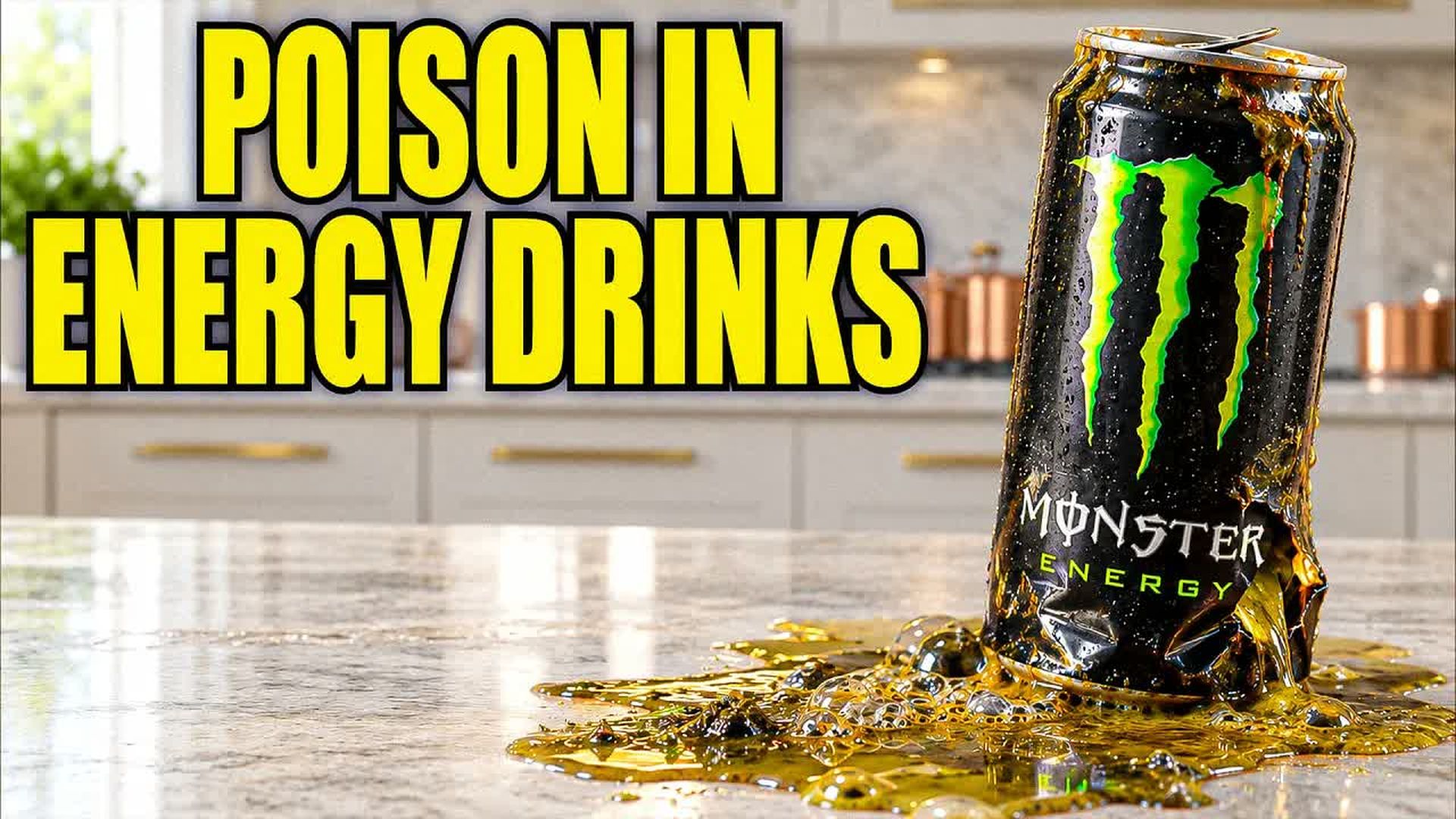
The hosts dissect the hidden dangers lurking in the energy drinks that dominate coolers across America. They start with the biggest corporate players—Rockstar, NOS, and Mountain Dew Energy—showing how PepsiCo and Coca‑Cola’s intertwined ownership masks identical caffeine loads, overlapping stimulants, and questionable color additives. The segment highlights how sugar‑free versions swap synthetic dyes for controversial sweeteners like sucralose and acesulfame potassium, while WHO reviews keep the entire sweetener class under scrutiny.Next, the show turns to fitness‑focused cans such as Rain Total Body Fuel, exposing a 300 mg caffeine punch and a patented theacrine derivative (T‑crine) that lacks independent safety data. Celsius is examined for its bold calorie‑burn claim and a $7.8 million settlement over mislabeled preservatives, illustrating how even a brand that once seemed transparent can fall short.The deep‑dive continues with the most extreme products: Redline Extreme’s 316 mg caffeine in an 8‑oz can paired with Yohimbe bark extract, and Bang Energy’s disputed “Super Creatine” that cost the company a six‑figure jury verdict. These cases underscore how high‑dose formulas often evade proper warning labels.After laying out the risks, the hosts reveal three brands that passed their rigorous standards. Zevia Energy delivers a truly clean label—zero sugar, no artificial sweeteners, natural color from turmeric and beet juice—backed by a company-wide commitment to transparency. Runa Clean Energy relies on Guayusa leaf, a traditional Amazonian stimulant, and routes profits to Quechua farming communities, offering organic, fair‑trade certification and a modest 150 mg caffeine dose. Finally, Highball Organic Energy proves that an organic, green‑tea‑caffeinated formula can compete on mainstream shelves without proprietary blends, synthetic dyes, or hidden preservatives.The episode closes with a practical habit: flip any can, and if you see a single “Energy Blend” or “Proprietary Blend” without individual dosages, put it back. Knowing the exact ingredients and the legal histories behind them empowers listeners to choose safety over profit‑driven hype the next time they reach for a cooler.
Categories: Food