This content is not available in your region
CE62-US Salmon Brands You MUST Avoid And 2 That Are Actually Real Salmon - Consumer Exposed
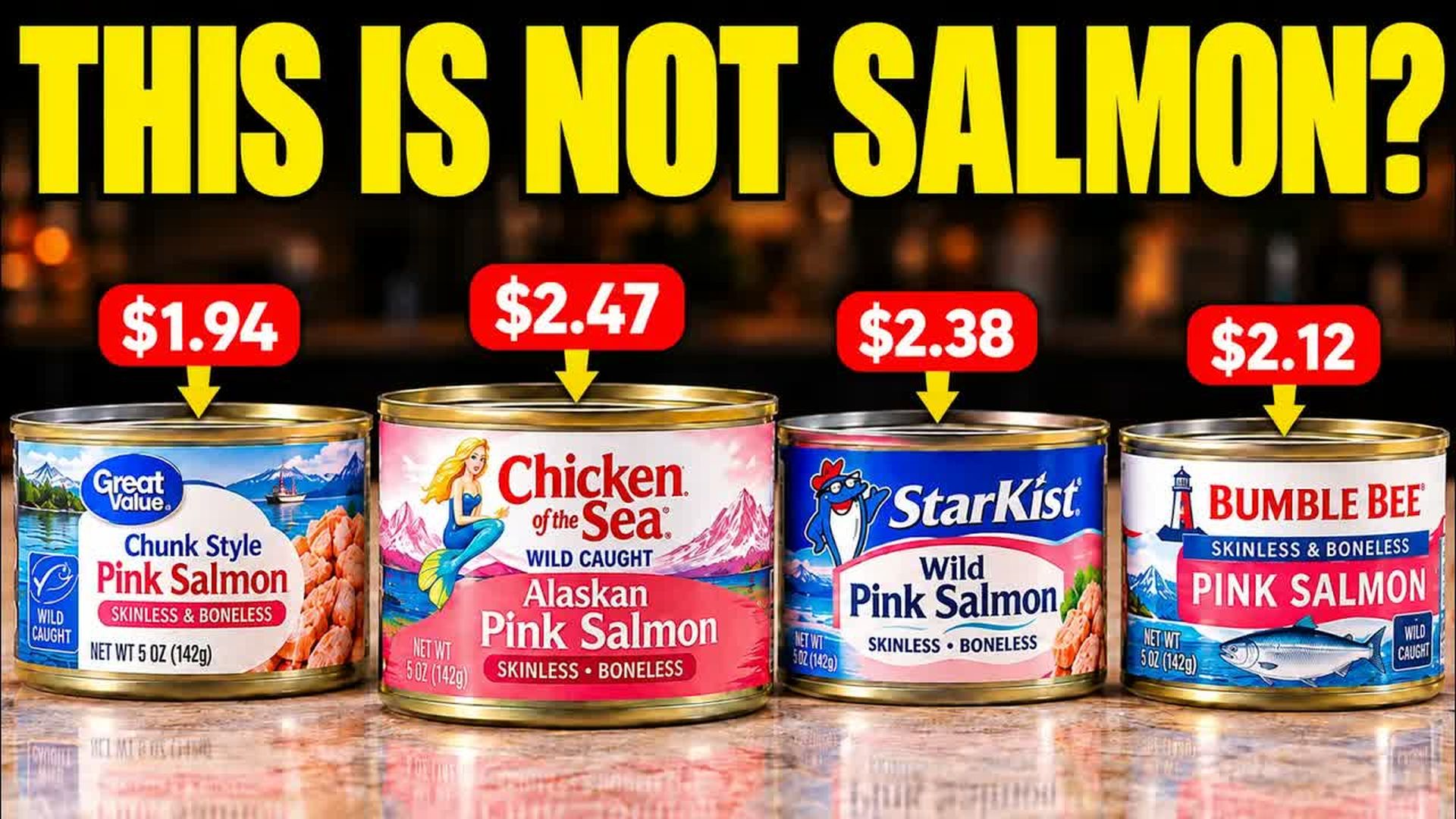
Nearly half of the salmon you pick up at the grocery store isn’t what the label promises. DNA barcoding across the nation shows a systematic swap: farm‑raised Atlantic salmon is being sold as wild‑caught, and the fraud rate hits 69% of all mislabeled cases. The show walks you through a brand‑by‑brand ranking, exposing the hidden supply‑chain gaps that let the deception thrive. First, the generic store brands—Kroger, Safeway, and other private‑label fillets—carry no named fishery, farm or vessel. The FDA inspects less than 1% of imported seafood, so the paperwork clears the border while the actual fish never gets a physical check. A quick finger‑press test (soft indent stays for farmed, firm bounce back for wild) can flag many of these products at the point of sale. Next, the budget name‑brand Great Value at Walmart sits at the price point where swapping a cheap farmed Atlantic for an expensive wild label maximizes profit. Those farmed fish contain five‑to‑ten times the PCB levels of true wild salmon, according to Environmental Working Group testing. PCBs are fat‑soluble, accumulate in your tissue, and are classified as probable human carcinogens by the EPA. The episode then turns to specialty formats. Echo Falls smoked salmon looks premium, but smoking and curing erase the visual cues—color and firmness—that usually reveal fraud. The only reliable test left is smell: a clean oceanic scent suggests wild, while a heavy, oily odor hints at farmed stock hidden beneath the smoke. Trader Joe’s Atlantic salmon and Costco’s Kirkland Signature Atlantic salmon both carry the same truth: “Atlantic salmon” in the U.S. equals farmed. Kirkland’s massive volume comes with synthetic astaxanthin pigments, petroleum‑derived feed additives, and routine antibiotic use—factors that raise contaminant and resistance concerns. Finally, the two brands that actually stand out are Wild Planet and Vital Choice. Both rely on named sourcing from Alaskan waters and third‑party verification, giving them something real to lose if a DNA test fails. They don’t publish per‑batch contaminant numbers, but their transparent supply chains make them the safest bets. The host ends with three actionable steps you can take on your next grocery run: (1) read the species name—Atlantic means farmed, wild labels must say Sockeye, King or Coho; (2) examine flesh color and marbling—uneven deep orange and thin white lines signal wild; (3) trim visible fat and cook on a rack to let PCBs drain away. Armed with these tools, you can cut through the mislabeling epidemic and protect your health.
Categories: Food