This content is not available in your region
CE60-Canned Soup Brands You Should NEVER Buy Only 9 Are Actually Real Soup - Consumer Exposed
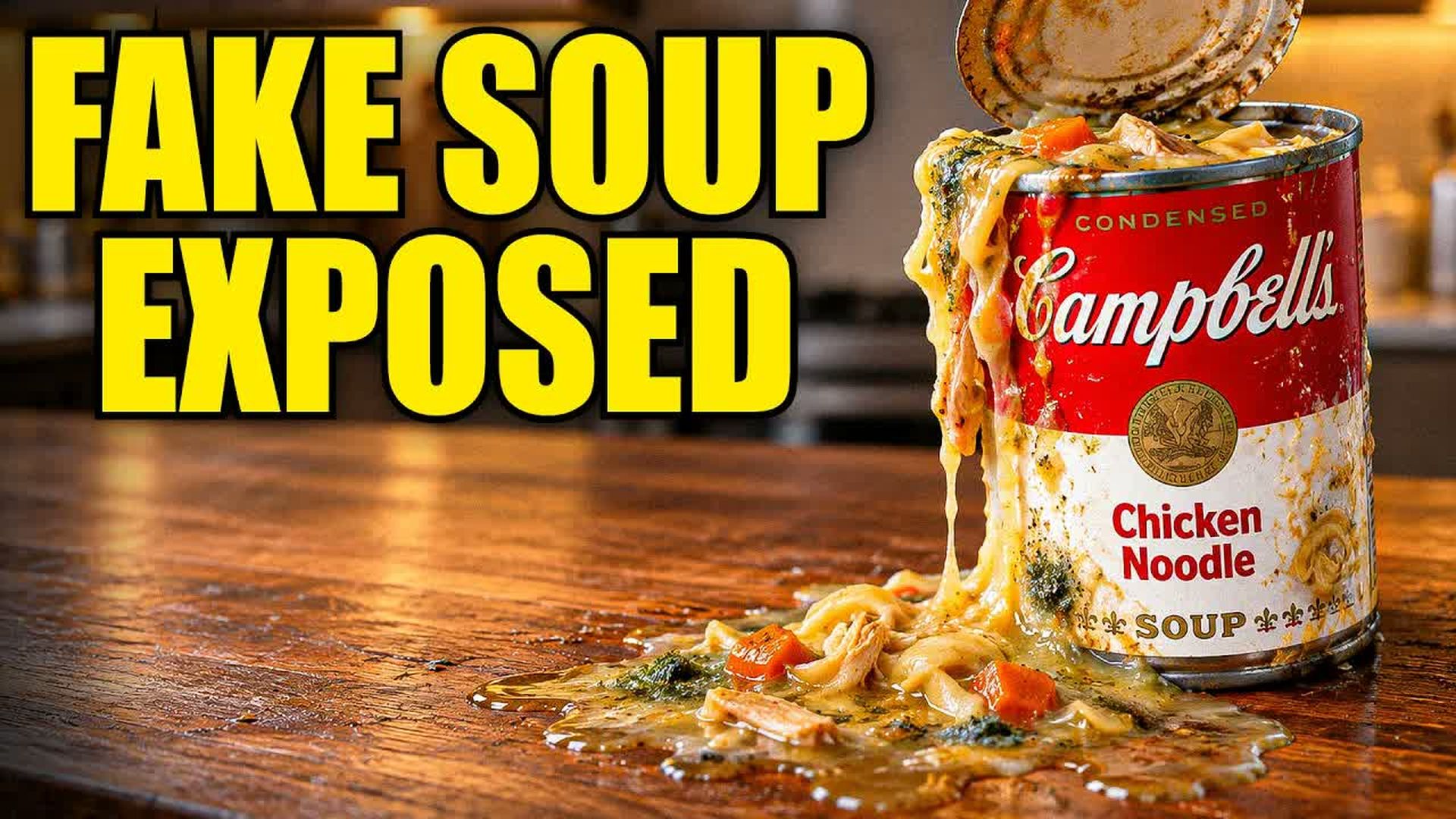
The hosts peel back the comforting veneer of pantry staples to reveal a hidden world of sodium overload, MSG‑like flavor boosters, and cheap fillers lurking behind familiar labels. Starting with Walmart’s Great Value tomato soup, they expose a 1,000 mg sodium punch in a single cup and a sweetened, flour‑thickened broth that masquerades as real tomato. Kroger’s private‑label soups follow, sharing co‑packed formulas that swap real chicken for less than 2 % poultry and rely on yeast extract—a legal MSG surrogate—to fake flavor.Maruchan’s best‑selling noodles are dissected for their TBHQ preservative, a synthetic antioxidant the Center for Science in the Public Interest has long urged the FDA to ban, and a staggering 1,000 mg of sodium per package that can push daily limits before dinner. Knorr, under Unilever’s $60 billion umbrella, still lists vague “natural flavors” while delivering under‑5 % real vegetables and a corn‑starch base.The hosts then turn to brands that market health, starting with Healthy Choice. Despite its heart‑healthy name, the soup hides disodium inosinate and guanylate—additives that only work when glutamate is present, signaling hidden MSG. Swanson, now a Campbell subsidiary, uses the same BPA‑lined cans that plagued the industry for decades, and its chicken‑and‑dumplings blend is dominated by modified starch and soy protein concentrate.Campbell’s own classics—Cream of Mushroom and Cream of Chicken—are shown to be water, starch, and soy protein, with the latter openly listing MSG while the former conceals it behind yeast extract. Sodium spikes past 2,000 mg when a whole can is used in a family casserole. Progresso’s lentil soup adds hydrolyzed corn protein, another MSG mimic, and suffered a 2020 recall that exposed undeclared allergens, underscoring how scale can magnify label failures.After cataloguing the worst offenders, the episode offers a curated list of truly clean options. Amy’s Organic Lentil Soup, Kettle & Fire bone broth, Pacific Foods’ minimalist cartons, and Rouse’s glass‑jar Italian Wedding Soup—all feature short ingredient lists, real vegetables, and no hidden sodium or flavor enhancers. The hosts close with a practical rule: if the first five ingredients include modified starch, yeast extract, or soy protein isolate, put the can back. This listener‑focused guide equips shoppers to decode labels, avoid toxic shortcuts, and finally trust what’s really inside their soup cans.
Categories: Food