This content is not available in your region
CE59-We Tested 6 Coffee Creamer Brands Only 3 Are Actually Good - Consumer Exposed
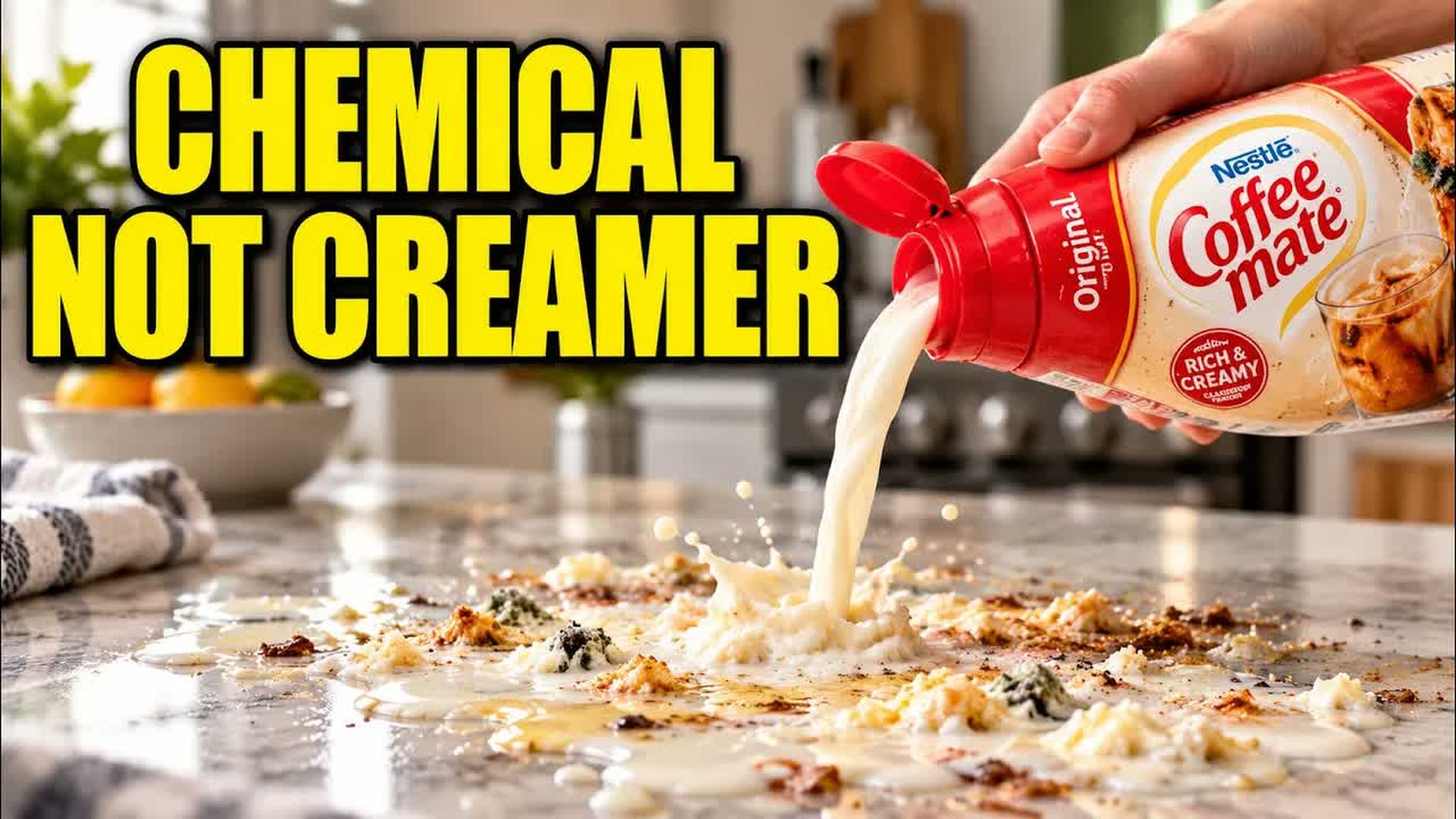
The hosts of Consumer Exposed pull back the curtain on six of America’s top coffee creamers, revealing a hidden world of banned fats, questionable colorants, and corporate licensing tricks. They start with Starbucks Shelf‑Stable, a Nestlé‑made product that leans on corn syrup and contains less than 2% real cream, showing how brand trust can be bought by a licensing deal rather than genuine formulation. Next, International Delight’s French Vanilla Hazelnut Caramel Macchiato is dissected for its use of Class IV caramel color, which creates the carcinogenic by‑product 4‑MEI, and for dipotassium phosphate that stabilizes a formula lacking real dairy fat. The deep dive culminates with Coffee Mate Original, the nation’s best‑selling creamer, which still carries partially hydrogenated oil—an artificial trans fat banned by the FDA but kept alive through a narrow exemption. The hosts also expose titanium dioxide, a whitening agent flagged by the European Food Safety Authority for DNA‑damage risk, and carrageenan, a sea‑weed thickener embroiled in decades‑long debate over gut inflammation. After laying out the three avoid‑list brands, they highlight the clean‑label alternatives that actually work: a Natural Bliss sub‑line from Nestlé that drops the harmful oils, and Organic Valley Heavy Whipping, a farmer‑owned product with only real cream, milk, and no synthetic additives. By comparing price, ingredient simplicity, and ownership structure, the episode shows that a premium‑priced, brand‑trusted creamer can be no better—and often worse—than a modestly priced, transparent option. Listeners are urged to read the back of the carton, question licensing arrangements, and consider cleaner choices that align with both health and ethical standards.
Categories: Food