This content is not available in your region
CE39-DON T Buy These 5 Parmesan Brands Only 4 Are Actually Real Parmesan - Consumer Exposed
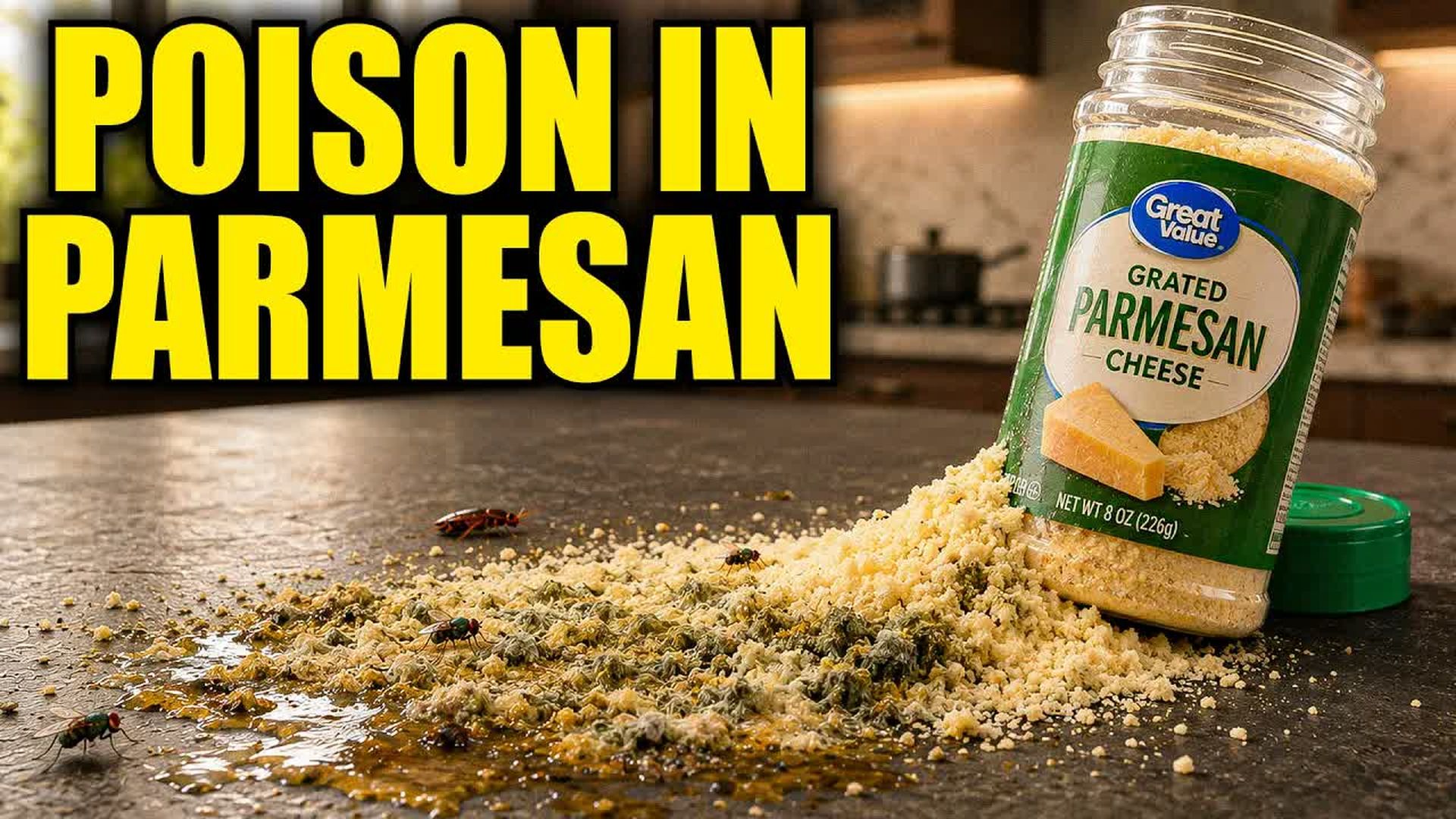
Unmasking the truth behind the Parmesan cheese in your kitchen, this episode exposes how five trusted brands mislead consumers with fillers and additives. A shocking investigation reveals that products branded as 100% Parmesan can contain up to 9% wood pulp cellulose, with none breaking the law due to ambiguous labeling laws in the U.S. The first brand under scrutiny, Organic Valley, showcases the pitfalls of confusion between organic certification and true authenticity. Despite its organic seal guaranteeing pesticide-free production, it lacks the essential DOP certification that authenticates a product’s Italian heritage and aging process. A physical comparison highlights the absence of texture and flavor depth that distinguishes real Parmigiano-Reggiano. Next, Walmart's Great Value Parmesan reveals a stark contrast between cost and quality, highlighting the mathematics behind producing genuine aged cheese. It offers no origin disclosure and substitutes chemical preservatives for true aging, targeting families under pressure to save money at the expense of quality. Buitoni, with its Italian-sounding name, is linked to Nestlé, demonstrating how branding and design can mislead consumers about authenticity. Consumers who choose this brand expecting artisanal quality are met instead with stark flavor flatness and lacking texture, highlighting a monumental disconnect between expectation and reality. The episode also examines Publix Deli Grated Parmesan, a brand anchored in trust that utilizes its good name to mask a lack of DOP certification and ingredient transparency. Its image contrasts sharply with the product's actual composition, reinforcing how trust can be leveraged to sell subpar items. Finally, the iconic Kraft green can symbolizes decades of emotional branding, giving consumers a sense of nostalgia while concealing a concerning 8.8% wood pulp filler. Listeners learn how to evaluate Parmesan quality, spotting unacceptable fillers and understanding the importance of DOP certification. The podcast empowers consumers to make informed choices amidst a market that often prioritizes profit over quality, leaving listeners equipped to identify authentic products versus cleverly marketed impostors. Enter the world of genuine cheese and reclaim your culinary experience.
Categories: Food