This content is not available in your region
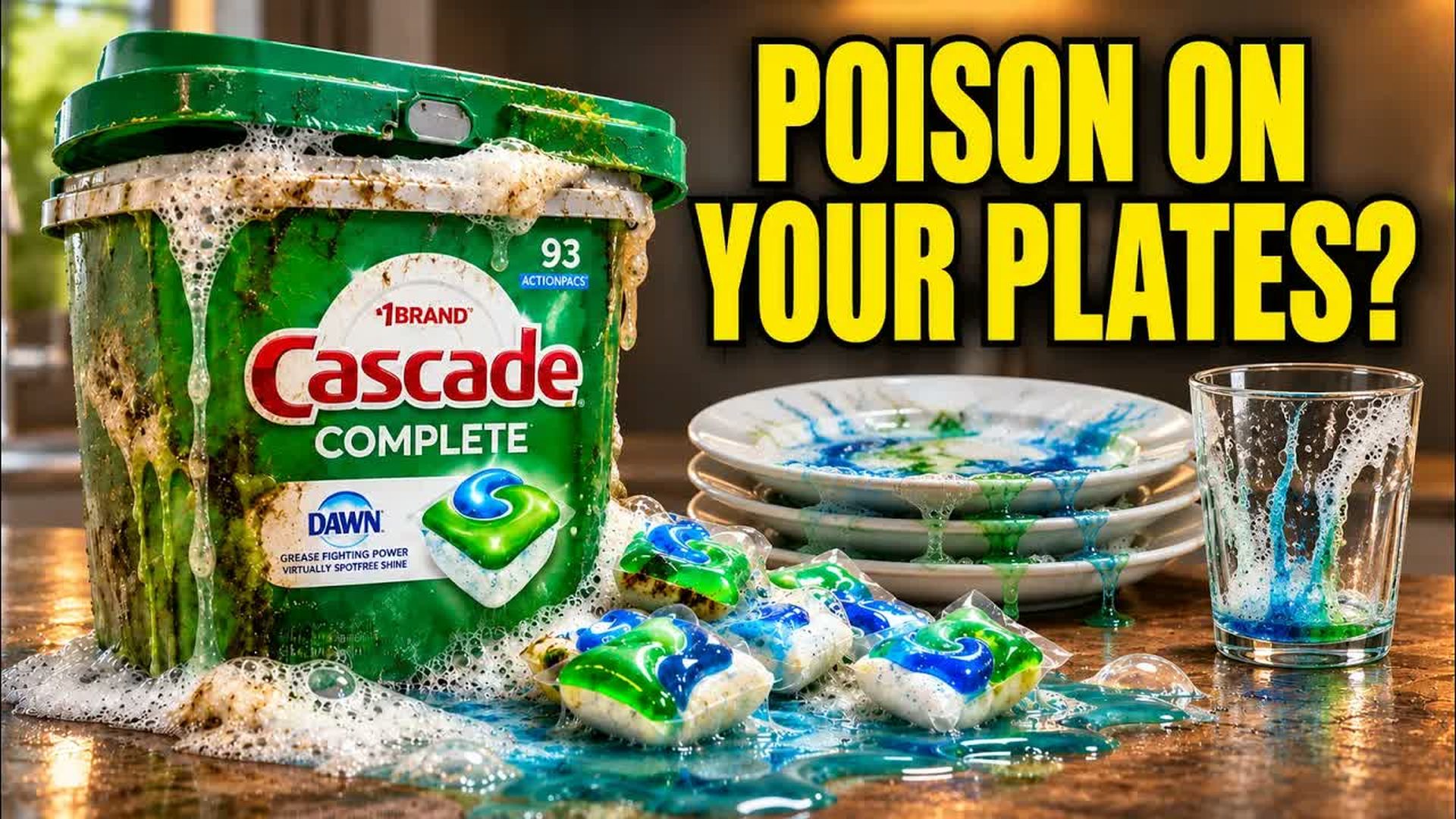
CE105-DON T Buy These 7 Dishwasher Detergents Only 3 Are ACTUALLY Safe to Use - Consumer Exposed
The hosts peel back the glossy marketing of everyday dishwasher pods to reveal a hidden chemistry that persists in your kitchen and waterways. They start with the ubiquitous Great Value pods, exposing the polyvinyl alcohol (PVA) film that dissolves but does not biodegrade, slipping through wastewater treatment and ending up as invisible plastic in rivers. Blueland, the Plastic Pollution Coalition, Friends of the Earth, Surfrider and Made Safe have petitioned the EPA for mandatory testing of PVA, arguing that it should be labeled as a plastic.Next, Finish Powerball’s signature shine is traced to benzotriazoles, corrosion inhibitors that bond to glass and metal. Research shows these compounds make up a significant share of benzotriazoles in waterways and are flagged as suspected endocrine disruptors, yet no chronic toxicity data exist. The same story repeats with Finish Quantum Ultimate, which layers the same benzotriazoles and PVA into a premium‑priced pod.The hosts then turn to Seventh Generation and Method, brands that market green credentials but still rely on PVA films and exploit the fragrance loophole. Undisclosed synthetic fragrance chemicals and dyes like Acid Blue 9 are aerosolized during the drying cycle, entering kitchen air and settling on plates. Method’s use of methylisothiazolinone, a preservative the EPA has deemed an unacceptable risk at high‑frequency exposure, underscores the cumulative exposure problem identified by the Danish Consumer Council.Mrs. Myers Clean Day, owned by SC Johnson, is highlighted for its premium aesthetic that masks petroleum‑derived dyes and hidden fragrances—ingredients that provide no cleaning benefit but linger on dishes after the cycle. The investigation culminates with the three brands that passed the safety screen: Branch Basics, Blueland and Dirty Labs. Unlike the pod‑based competitors, these products avoid PVA, alcohol ethoxylates and undisclosed fragrances. Dirty Labs even eliminates the pod format entirely, using bio‑enzymatic chemistry that does not persist on surfaces. The hosts demonstrate a simple steam‑test to detect residue on dishes, showing how everyday cleaning can release chemicals into the air you breathe.Finally, the episode calls out the regulatory vacuum: no U.S. requirement to disclose full ingredient lists or to monitor post‑rinse residues, and outdated assumptions that a rinse cycle equals safety. Listeners walk away with three concrete checks for the next aisle visit—PVA film, alcohol ethoxylates, and fragrance disclosure—plus a clear path to safer cleaning.
Categories: Food