This content is not available in your region
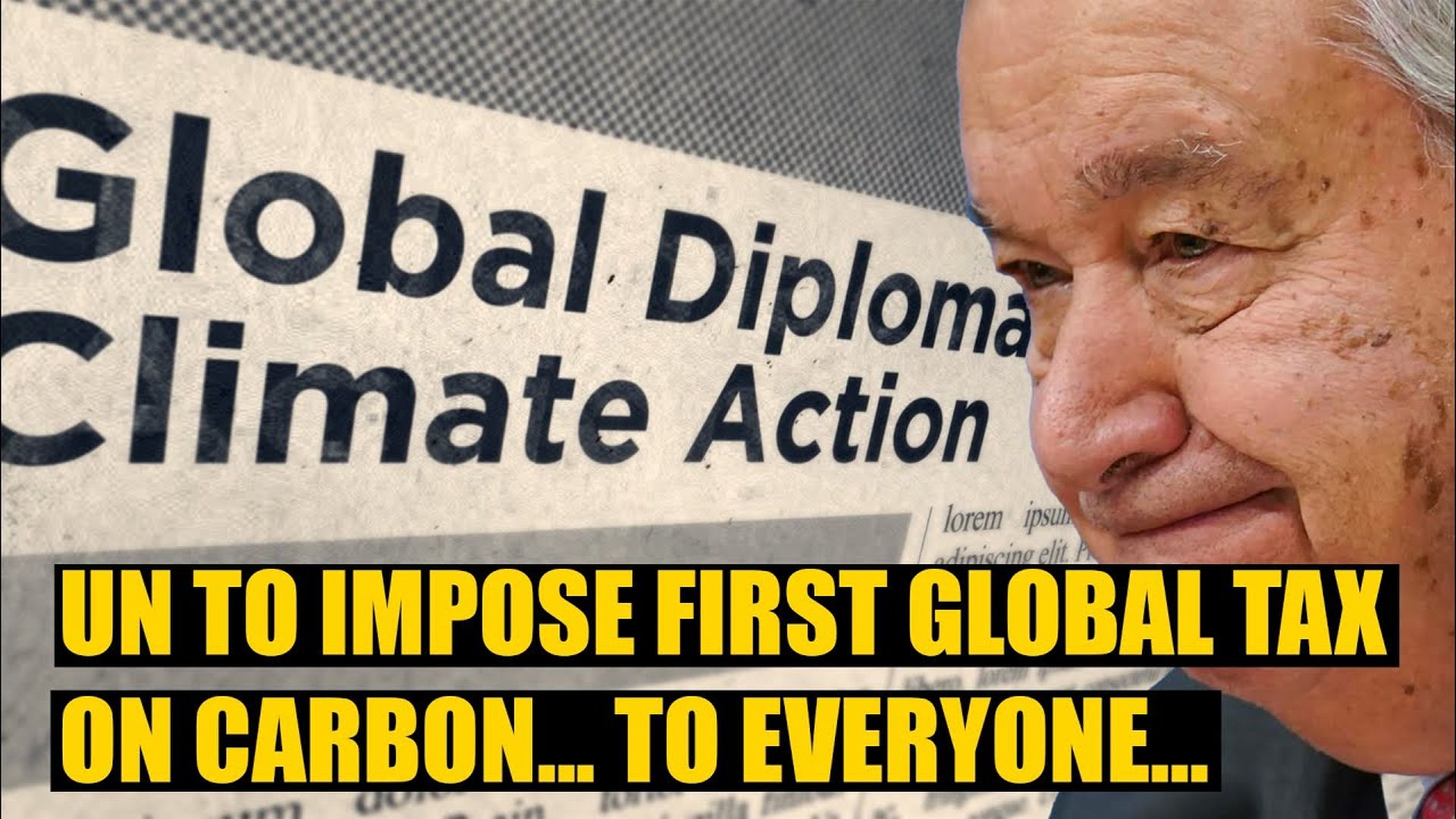
AMT439- GLOBAL TAX? The UN’s $13 Billion Shipping Levy Explained — and How It Could Raise Food Prices | As a Man Thinketh
A global first: The UN’s new shipping levy could reshape trade, tilt markets, and quietly raise the price of food.
The International Maritime Organization (IMO), a specialized UN agency, is meeting this week in London to finalize the Net-Zero Framework (NZF) — a global emissions-pricing plan for ocean shipping.
Supporters call it a step toward decarbonization. Critics warn it’s a de facto global tax that will ripple through trade, agriculture, and the cost of food.
What the IMO levy actually is — and how it works
Why $100–$380 per ton of CO₂ could translate into higher freight and food prices
How the UN’s “Net-Zero Fund” will redistribute billions in rewards and grants
What it means for U.S. farmers and exporters if the U.S. refuses to comply
How this ties into the upcoming UN Tax Convention on global fiscal cooperation
And why this may be a test case for a new era of global economic governance
More than 80% of global grain and oilseed exports move by sea.
Even small freight increases translate into higher grocery prices, especially for wheat, soy, and sugar.
The policy could also boost demand for crop-based biofuels, tightening edible oil supplies and driving food inflation.
Categories: Lifestyle
Starring: Charlie and Shuana Rankin