This content is not available in your region
TBA9-11 Timothy O Sullivan USGS Plates From the 1870s That Show Structures Geologists Won t Explain - The Buried Archive
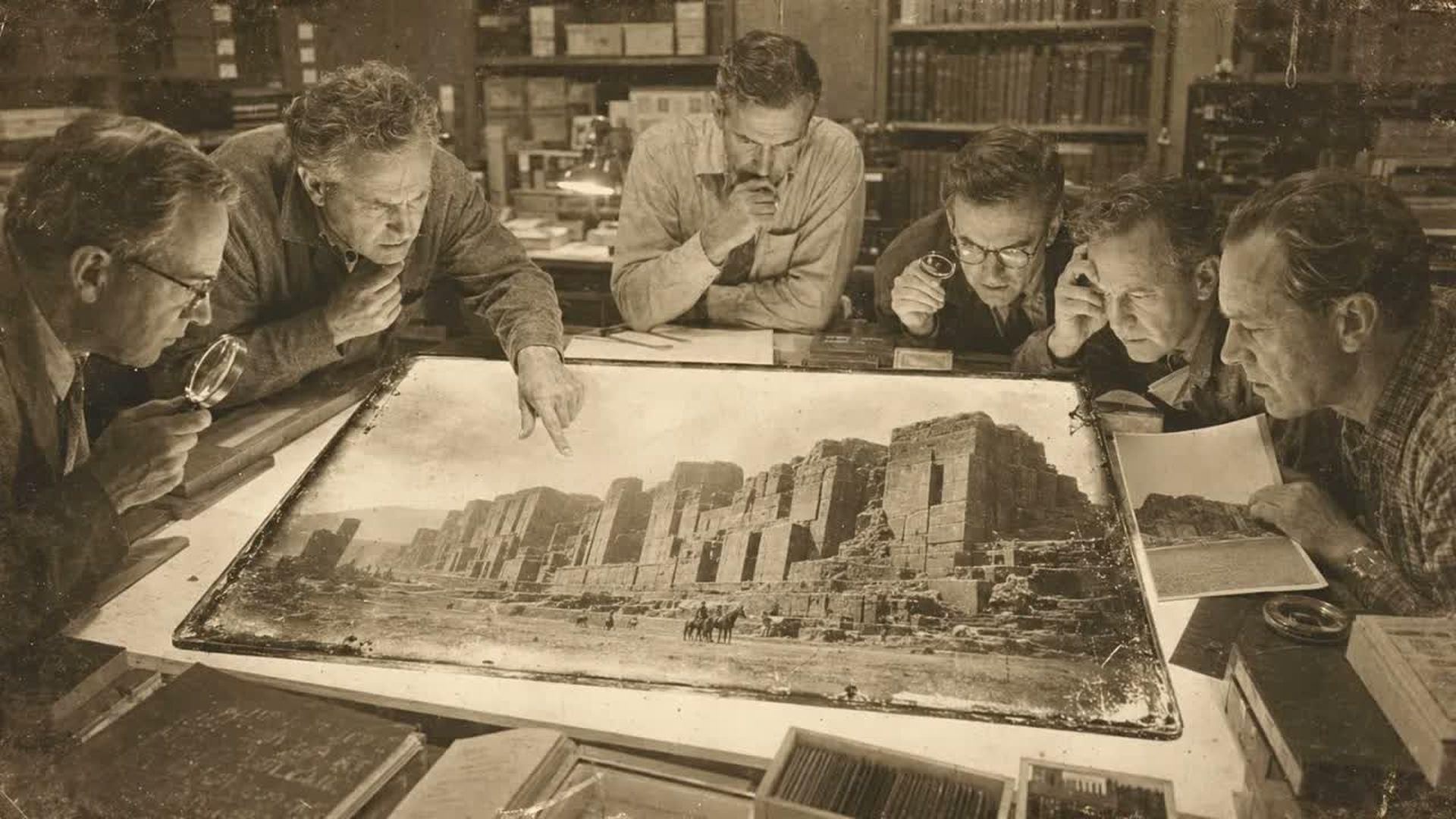
In the dusty confines of the United States Geological Survey, hidden within archival stacks, lie 11 enigmatic photographs taken by Timothy O'Sullivan during his expeditions in the American West. Officially tasked with documenting geography, O'Sullivan returned with images that tell a different story—one that challenges the geological record itself. These captivating plates reveal structures and formations that raise questions about our understanding of North America's past. Through meticulous examination, patterns emerge revealing that these images hold secrets overlooked by geologists and historians alike. O'Sullivan, a master photographer renowned for documenting Civil War battlefields, applied his expertise to the diverse landscapes of Nevada, Utah, and beyond, capturing anomalies that hint at a reality suggesting intentionality rather than merely natural processes. Placed under the scrutiny of modern researchers, his photographs in regions like Canyon de Chelly and Carson Sink are increasingly being reinterpreted. Are the regularly spaced apertures in canyon walls mere erosive features, or do they indicate ancient infrastructure tied to the Ancestral Puebloans? The debate intensifies with formations that defy standard geological classifications, as tufa towers and mesas reveal edges too regular to be considered natural. As each of these 11 plates are examined, from the Colorado Plateau to New Mexico Territory, they collectively form a narrative that shifts our historical perspective. Moreover, these images align with the broader Tartaria framework, which posits the existence of a sophisticated civilization obscured by time. Did O'Sullivan capture remnants of this lost history inadvertently? While definitive answers remain elusive, his photographs demand a deeper inquiry into the complexities of time, historical records, and the very essence of what we perceive as geological truths. This exploration invites listeners to reconsider the narratives we accept and the evidence that defies them.
Categories: Entertainment