This content is not available in your region
TBA77-What James Mooney Wrote About the Cherokee Mounds Before the Bureau Edited It 1880s - The Buried Archive
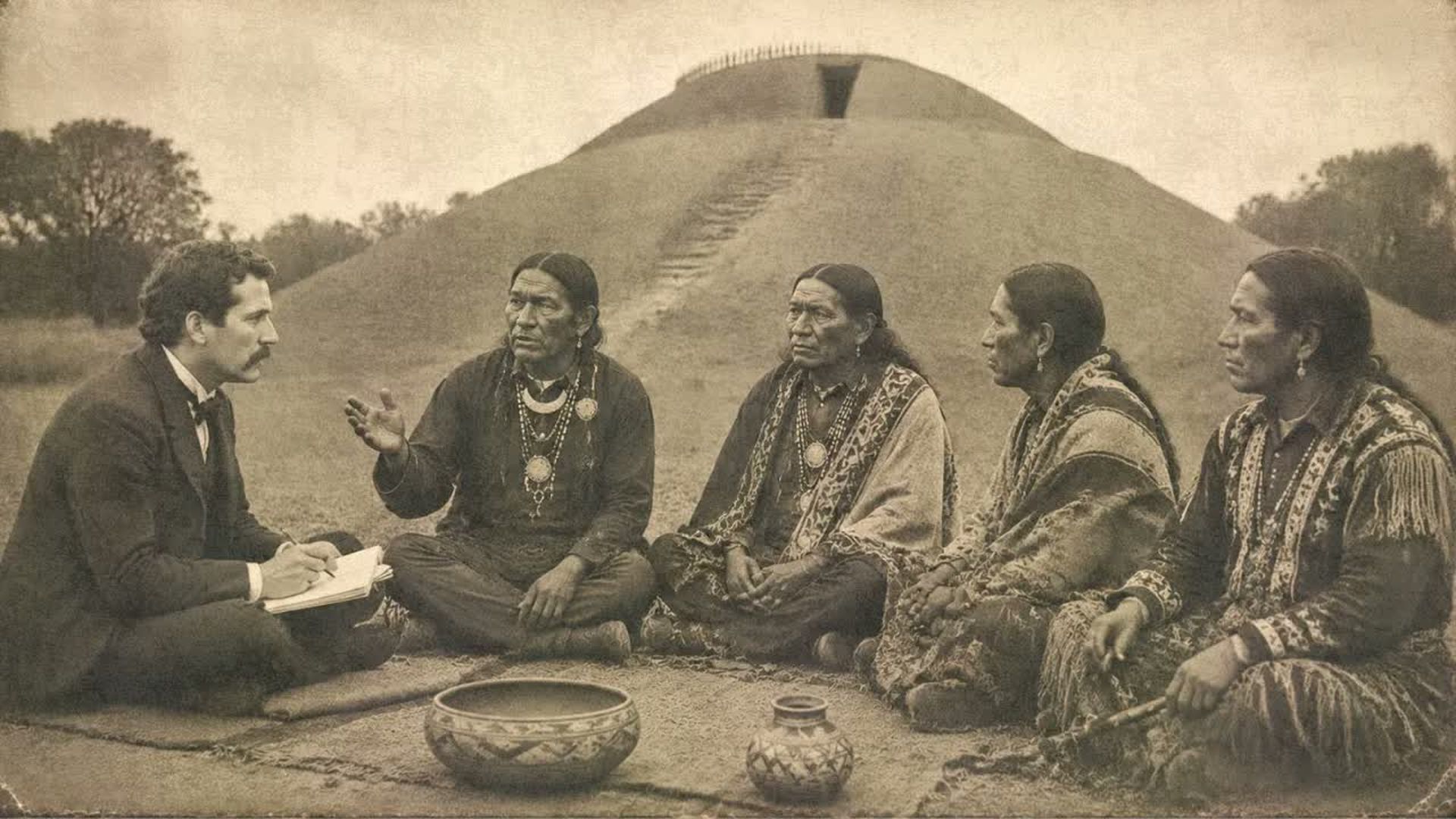
James Mooney's groundbreaking fieldwork among the Cherokee in the 1880s revealed not just a rich tapestry of cultural memory but also a striking contrast between his original observations of the Cherokee mounds and the edited versions ultimately published. Imagine a young, self-taught ethnographer traversing the rugged landscapes of North Carolina, deeply immersing himself in the life and traditions of the Eastern Band of the Cherokee, learning their language, and documenting their ceremonies. His meticulous notes capture the precision and scale of mound-building—a sophistication dismissed by contemporary archaeological narratives. But what happened to those raw insights? The Bureau of American Ethnology, operating under federal auspices, reframed Mooney's findings into a more palatable narrative, omitting provocative details and reducing the complexity of indigenous histories. Mooney didn't merely document a 'dead past'; he engaged with living traditions, uncovering oral histories about mound-building that challenged established scholarly perspectives. The mounds Mooney visited, such as those along the Hewasi River, were far more than remnants of an ancient civilization; they represented sustained relationships with the land and memories of a past still very much alive. As he navigates the complexities of cultural continuity and disruption, Mooney’s field notes sit at the intersection of tradition and institutional constraints, complicating a simplistic narrative of Cherokee identity. His observations revealed evidence of careful engineering in mound construction, hinting at a level of sophistication that would reshape how we understand Native American civilizations. The discrepancies between what he witnessed and what was eventually published prompt critical questions about the representation of indigenous cultures in academic discourse—questions that demand a serious re-evaluation of the relationship between oral tradition and archaeology. As we delve into what Mooney uncovered before institutional editing reshaped the narrative, we confront the broader implications of these lost stories and the enduring connection of the Cherokee to their historical landscape.
Categories: Entertainment