This content is not available in your region
TBA69-What the Cherokee Said About the Ones Who Cut the Chestnuts First Documented in 1879 - The Buried Archive
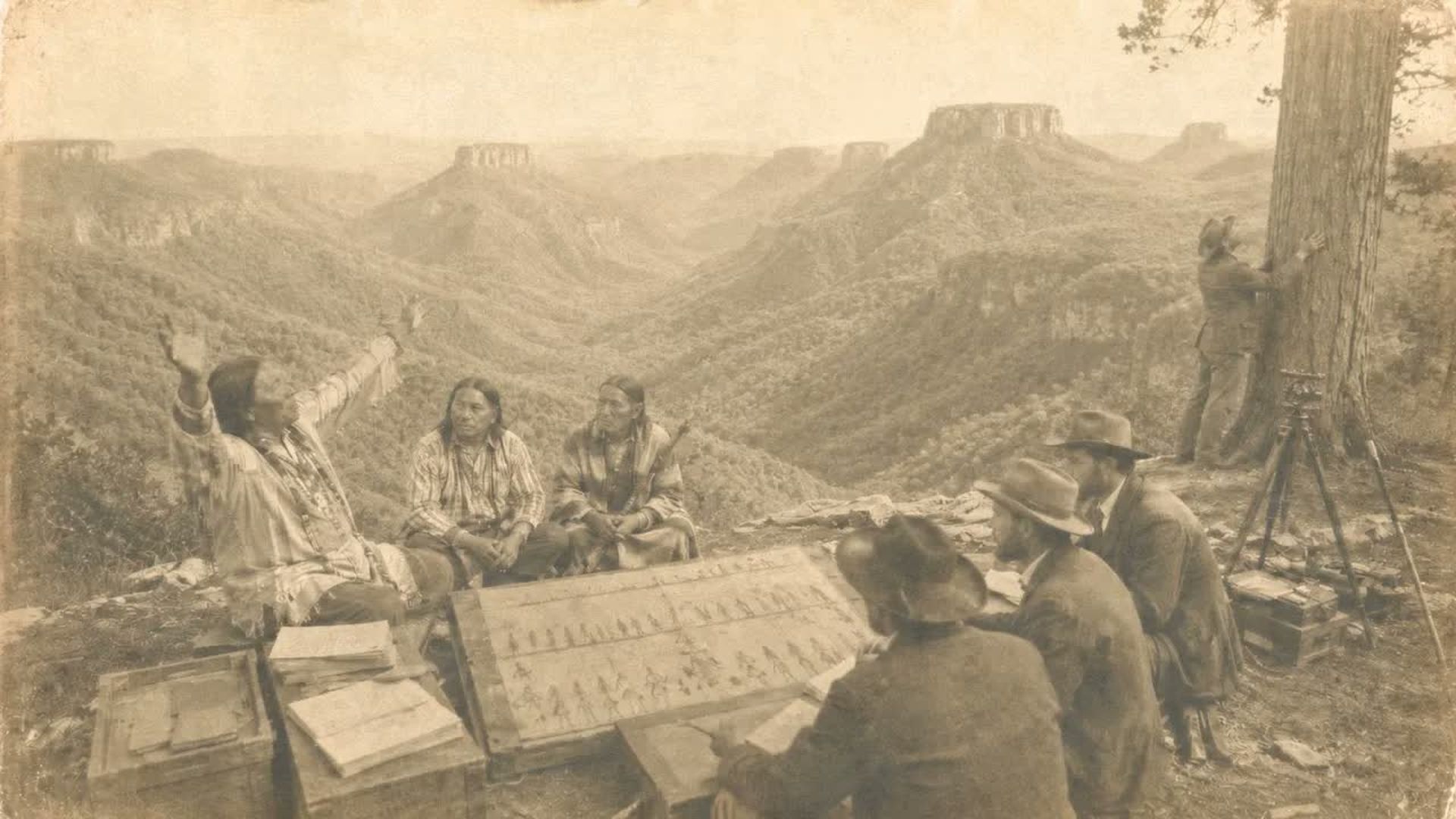
Beneath the surface of American history lies a startling narrative chronicled in James Mooney's 1879 report to the Bureau of American Ethnology—an account that has remained largely overlooked. Mooney documented the Cherokee elders' recollections of a mysterious civilization that predates them by generations—the Nunnahai, as known in some accounts. These were not just legends; they were narratives steeped in the physical evidence of an organized society that once managed the land meticulously. The Cherokee spoke of chestnut orchards and systematic tree management techniques, describing practices that contemporary scholars recognize as sophisticated horticultural methods, specifically coppicing. This revelation, nestled amongst anecdotal accounts, raises questions about the very foundations of our understanding of pre-Columbian life in North America. In this episode, we delve deep into the concept of persistent legends and the broader implications of oral traditions that reveal a civilization's intricate relationship with the Appalachian landscape. Beyond the tales of chestnut management, Mooney's records also hint at stone structures scattered across the mountains—enigmatic formations that defy conventional archaeological categorization. Why were they built? Who erected them? The natural clarity of these questions becomes clouded by a narrative that has often favored the erasure of anomalies in favor of easily digestible academic history. Mooney's ethnographic approach offers a lens into these mysteries, capturing the essence of knowledge transmission among the Cherokee and indicating that their ancestors had substantial impacts on the land's ecology. The patterns of these disturbances, much like the chestnut orchards, suggest a deliberate engagement with the environment that transcends the typically recognized timelines of occupation. The connection to the Tartaria hypothesis emerges as we explore these anomalies—willful neglect or a systematic historical oversight? Whether you view this evidence through the lens of terrorism or as part of an evolving narrative of civilizations, the roots of the chestnuts and the stones on the ridgelines compel us to re-examine the age-old stories endorsed as mythology. This episode is a call to challenge the academic status quo, advocating for the recognition of indigenous oral histories as valid historical sources, thereby revealing the landscapes of ancient mysteries hidden in plain sight.
Categories: Entertainment