This content is not available in your region
TBA33-What They Pulled From the Cripple Creek Drift in 1893 Why the Site Was Welded Shut - The Buried Archive
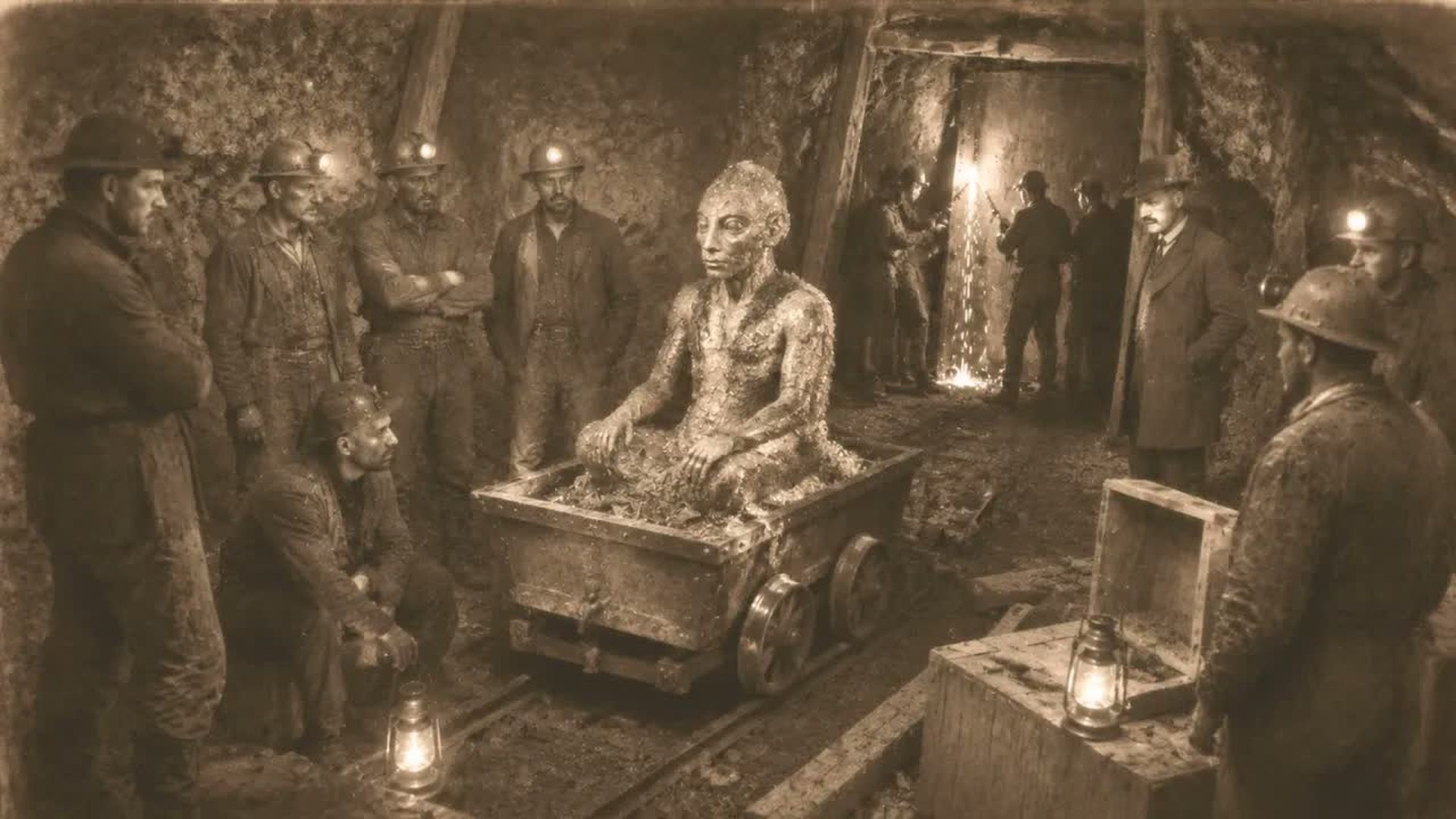
In 1893, miners in Cripple Creek, Colorado, stumbled upon an unexpected discovery while digging for gold—a material they referred to as dressed stone. The foreman's log abruptly ends after this finding, leading to a gap of 11 days before further entries resume, redirecting focus without acknowledgment of what was unearthed. Cripple Creek, renowned for its rich telluride gold, sits within a geological marvel—a collapsed volcanic caldera that holds the secrets of prior inhabitants. Investigating the layers of history reveals other accounts of precision-cut chambers and systematic mining patterns, hinting at a pre-existing civilization skilled in advanced extraction techniques. Historical figures like Bob Womack and Winfield Scott Stratton played pivotal roles in the rush, yet their discoveries were often veiled in silence. The term 'Tartarian hypothesis' looms over these findings, proposing the existence of a lost civilization with extraordinary capabilities far above what was understood in the 19th century. As reports trickled in from miners such as Hoskins, detailing geometrically marked walls and drainage systems, the narrative of suppression began to unfold, shaping a phenomenon where significant archaeological evidence faded from view. The unearthly precision of the stonework suggests an understanding of geology that traditional perspectives cannot support. Institutional responses to these anomalies—closures and welded barriers—revealed an organized effort to maintain silence. Disturbing patterns emerge throughout the historical record: isolated discoveries, interrupted documentation, and a reversion to normalcy, all obscuring a greater narrative about the origins of resource extraction in the West. The cryptic accounts that remain underscore the notion that miners during the gold rush were not the first in this region. When the crew unearthed that dressed stone, they tapped into a legacy that predates known records—a civilization of profound knowledge embedded within Cripple Creek's geological fabric. Yet, despite the treasure below, the truth remains out of reach, sealed beneath concrete and iron, echoing a history designed to be buried.
Categories: Entertainment