This content is not available in your region
TBA117-The Ancient Tool Found in a Minnesota Iron Pit The Ojibwe Said It Was Left Behind - The Buried Archive
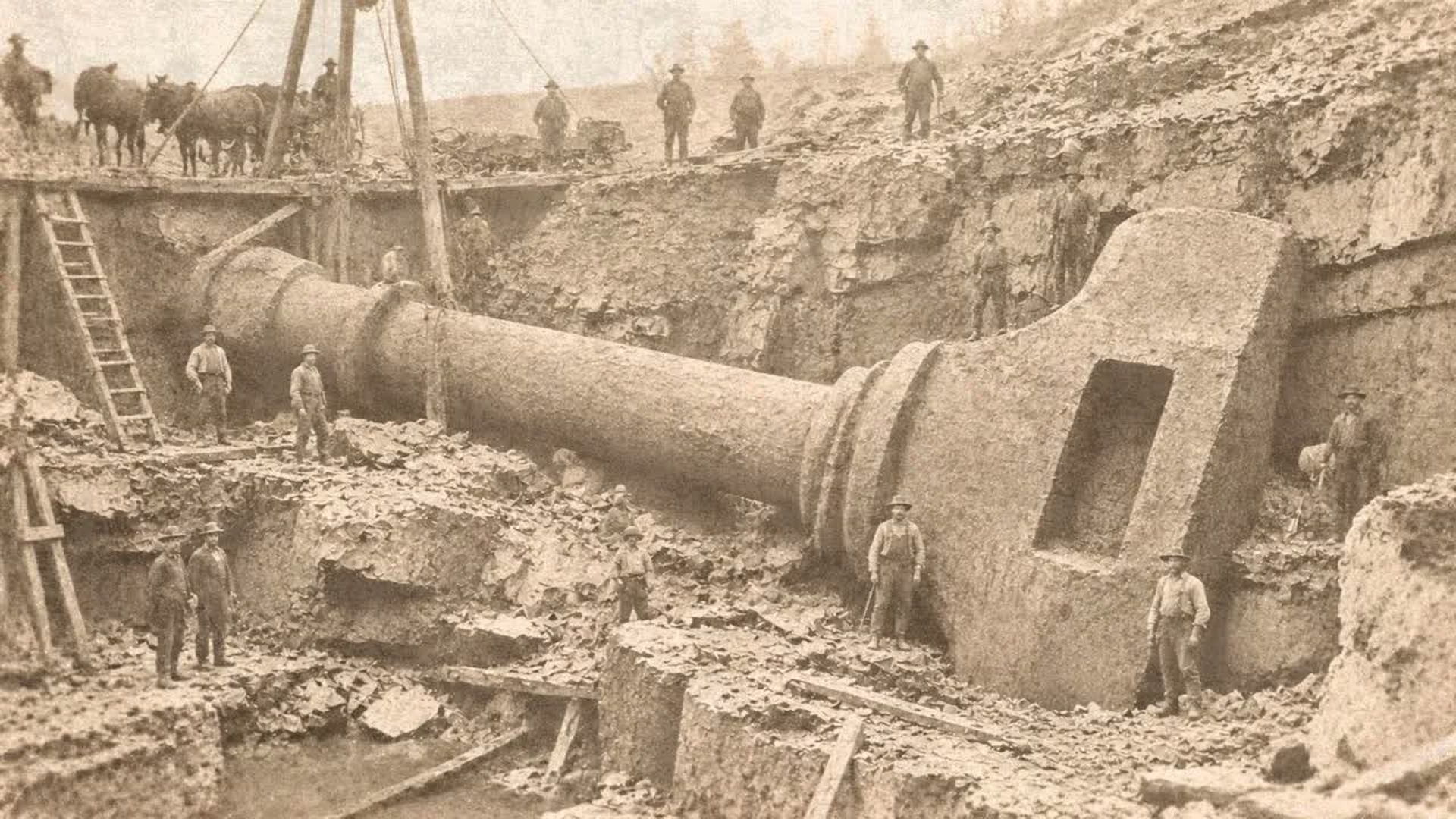
In the autumn of 1890 a crew digging the Mesabi iron pits uncovered a hand‑shaped stone tool wedged in solid hematite. The tool, expertly carved with purposeful grooves, was wrapped in burlap, logged as a "Miscellaneous Surface Find," and then vanished into a Duluth storage room alongside other anomalies that didn’t fit the accepted timeline of human activity in North America. A letter preserved by the St Louis County Historical Society records the foreman showing the object to the company geologist, who dismissed it as a rock that must have fallen through a crack—yet the miner who wrote the letter insisted there was no crack at all. The episode weaves this single find into a broader pattern of 35 documented cases where artifacts, charcoal layers, and tool marks appear far older than mainstream archaeology allows, only to be recorded, acquired, and then quietly erased. The hosts connect the stone to Ojibwe oral traditions that speak of a pre‑European civilization that mined copper and stone, a people the Anishinaabe say vanished long before European contact. They contrast those stories with the geological reality of the Mesabi Range: Precambrian iron formations 1.8‑2.7 billion years old, formed before any multicellular life existed. The narrative then turns to the Merritt family—Lewis Howell Merritt and his son Leonidas Merritt—who opened the first iron mine, built railroads, and attracted investors like John D. Rockefeller. While the Merritts celebrated industrial triumph, the same iron scarred a landscape the Ojibwe have stewarded for millennia. Modern mining continues to threaten wild‑rice beds and water quality, echoing the ancient warning that "the earth remembers" and that every extraction leaves a tool behind for future generations to discover. The episode challenges listeners to reconsider how corporate records, archaeological silence, and Indigenous memory intersect in a story that stretches from billions‑year‑old rock to 21st‑century environmental battles.
Categories: Entertainment