This content is not available in your region
TBA11-The Real Reason America Stopped Building Star-Shaped Forts After 1870 Not About War - The Buried Archive
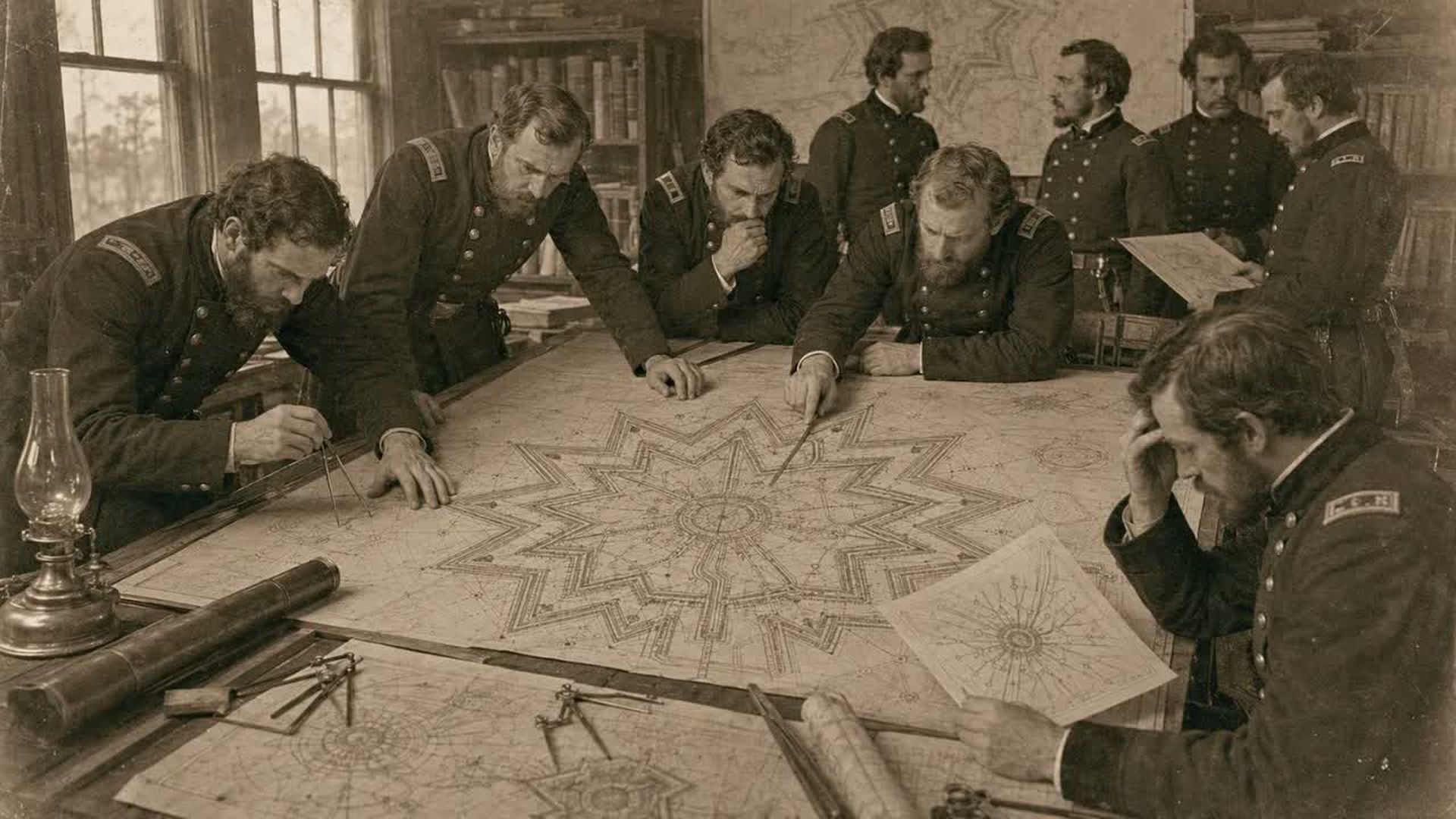
A shape that once defined America's strategic landscape, the Star Fort was not simply a tool of military defense but a multifaceted engineering marvel. Between 1865 and 1885, the U.S. government abruptly halted Star Fort construction, and the official narrative points to advancements in rifled artillery. Yet, this oversimplifies a profound transformation. Star Forts were integral to water management and acoustic properties, serving purposes that transcended their military origin. Why did the transition from these intricate bastions coincide with a striking urban infrastructure boom? Discover how the same engineers who built these forts transitioned to laying sophisticated municipal systems, drawing on knowledge engrained in the ruins they left behind. Delve into Fort Jefferson, a testament to advanced water collection, and Fort Monroe’s tidal controls, which reveal the hidden layers of engineering. The alignment of Star Forts with geodetic networks raises critical questions: How did engineers identify significant positions before accurate surveying? Was the growth of American cities merely a product of industrialization, or is there an older, buried history that influenced these developments? Explore the anomalies embedded in construction timelines and design techniques, which hint at an inherited knowledge and practices predating the official narrative that constructed the American landscape. The Star Forts were not relics of obsolescence; they embodied a transition of understanding, installing principles that would resonate through centuries. As we unpack these layers, we confront an essential realization: the official history of America’s infrastructure may obscure a deeper story of continuity and legacy, one that transforms how we perceive the very grounds we stand upon.
Categories: Entertainment