This content is not available in your region
TBA109-The Ancient Tool Found in a Minnesota Iron Pit The Ojibwe Said It Was Left Behind - The Buried Archive
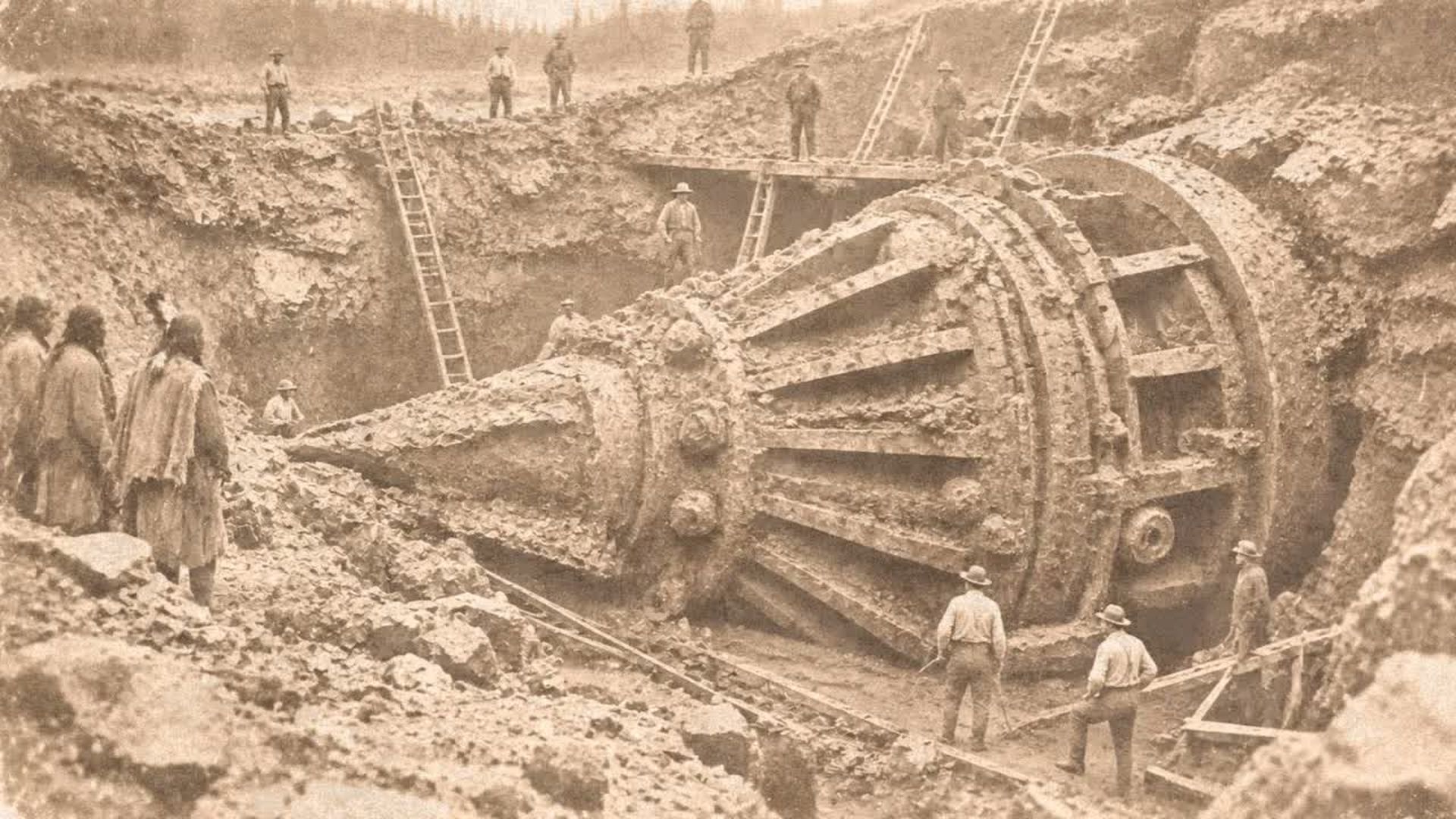
In 1903, miners in the Mesabi Range unearthed a mysterious object that defies modern understanding and historical records. Described as heavier than it appeared and resting in an unusually shaped cavity beneath the earth, this find raises compelling questions about the narratives surrounding indigenous histories and the land. August Fenwick, a seasoned miner, examined this artifact and noted that it 'felt like a space that had been left' rather than made. This distinction hints at a deeper history long obscured by conventional mining documentation and geological surveys. The Ojibwe, who have lived on this land for centuries, possess their own stories and interpretations surrounding this region known as 'the ridge where the old road goes down.' Yet, these voices remain largely unacknowledged in the official accounts. As archival documents reveal discrepancies in mining histories and land assessments, the absence of proper documentation raises alarm. Investigations into the writings of Fenwick, the elusive nature of the object, and the responses of various institutions reveal a disturbing pattern of containment and erasure, undermining any attempt to make sense of the unexplainable. Dolores Van Hout’s extensive research chronicling the Kettle Ridge material also lays bare the challenges faced in reclaiming a narrative that includes indigenous perspectives. This episode delves into the complexities of historical documentation, the existence of uncharted objects, and the stories entangled within the legacy of the Ojibwe and the mining industry. As we sift through years of documents and interviews, the true essence of what was found and what was left behind begins to emerge, challenging the very foundations of our understanding of the past and the forces that shape our interpretations of history.
Categories: Entertainment