This content is not available in your region
T5643-William Williams
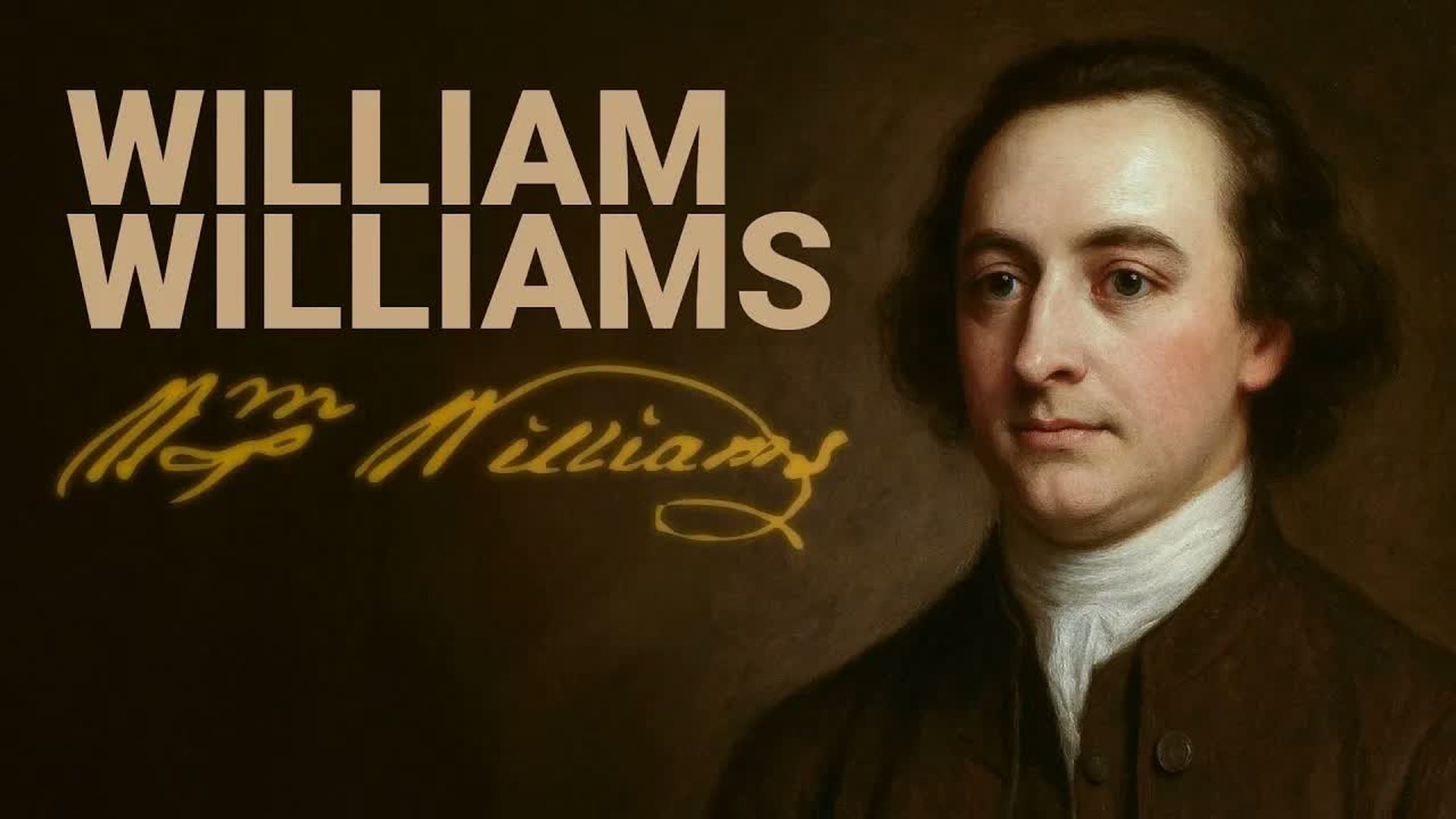
Emerging from the quiet town of Lebanon, Connecticut, William Williams not only bore witness to history but actively shaped it. Born to a congressional pastor in 1731, his early life was steeped in the values of duty and service. A Harvard graduate and veteran of the French and Indian War, he returned home disillusioned by British tyranny. This pivotal experience fueled his commitment to liberty and justice. When illness struck Oliver Wolcott in the summer of 1776, Williams answered the call to serve in Congress, arriving just in time to etch his name onto the Declaration of Independence. But his contributions did not end there.In the throes of building a new nation, he immersed himself in drafting the Articles of Confederation and participated on the Board of War. His fervor for independence drove him to make personal sacrifices, including the daunting financial ones necessary to support the fledgling United States. After the devastating defeat at Brooklyn, he penned a letter to Governor Trumbull reflecting on the precarious situation, yet maintaining hope for the future. His audacity did not falter—he willingly exchanged $2,000 of hard currency for the fragile paper money that represented the struggle for independence, believing in repayment only if freedom was achieved.Even as harsh winters descended upon Connecticut in 1780, Williams opened his home to French troops, slumbering elsewhere to ensure their needs were met. His erstwhile ambition to be a pastor transformed into a deeper calling—a commitment to serving and safeguarding the principles of liberty. Williams’ story is a testament to unwavering dedication, encapsulating how one man's sacrifices can illuminate the path to national freedom. The legacy of William Williams is not merely that of a signer but of a true architect of American independence, embodying relentless service and profound love for his country.
Categories: American History