This content is not available in your region
T5630-William Hooper
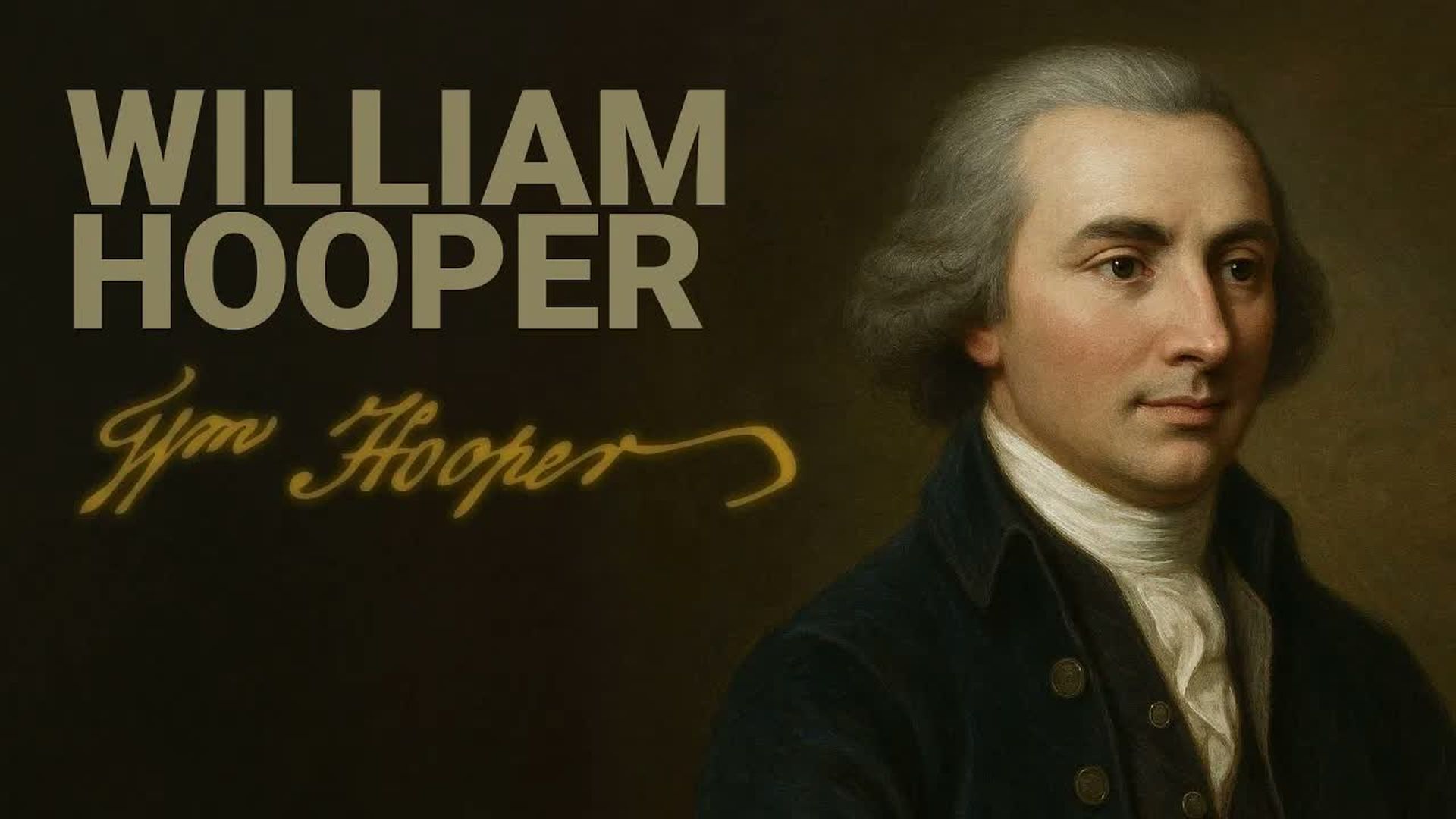
Step into the tumultuous world of William Hooper, a figure whose transformation from loyalist to revolutionary encapsulates the struggle for American independence. Born in Boston and tempered in Wilmington, Hooper first served the Crown loyally as Deputy Attorney General under Governor Tryon. His steadfast commitment to law and order was tested when dissent erupted in the backcountry, leading to violent confrontation and a painful awakening. Dragged through the streets of Hillsborough in 1770 by those he believed he served, he faced a harsh reality that would redefine his beliefs.In a bold departure from his past, Hooper emerged as a critical voice in the push for independence, standing alongside notable figures like John Adams and Benjamin Franklin. His eloquence in Congress earned him admiration, yet he would eventually feel the weight of his convictions when the Crown retaliated. Hooper’s home was burned, and his family disowned him, transforming his once-honored name into a symbol of treason.But amidst the chaos of war, Hooper remained principled, advocating for justice over vengeance. While others clamored for retribution, he instead called for mercy, believing a just republic should balance victory with virtue. His steadfast dedication to the ideals of liberty and justice is palpable as he recounts his experiences, culminating in his historic signing of the Declaration of Independence on August 2. This gripping journey illustrates the depths of personal sacrifice and the complex nature of rebellion in a quest for freedom. Hooper’s narrative is a testament to the power of transformation in the face of tyranny, as he ultimately chose liberty, not out of haste, but because justice demanded it.
Categories: American History