This content is not available in your region
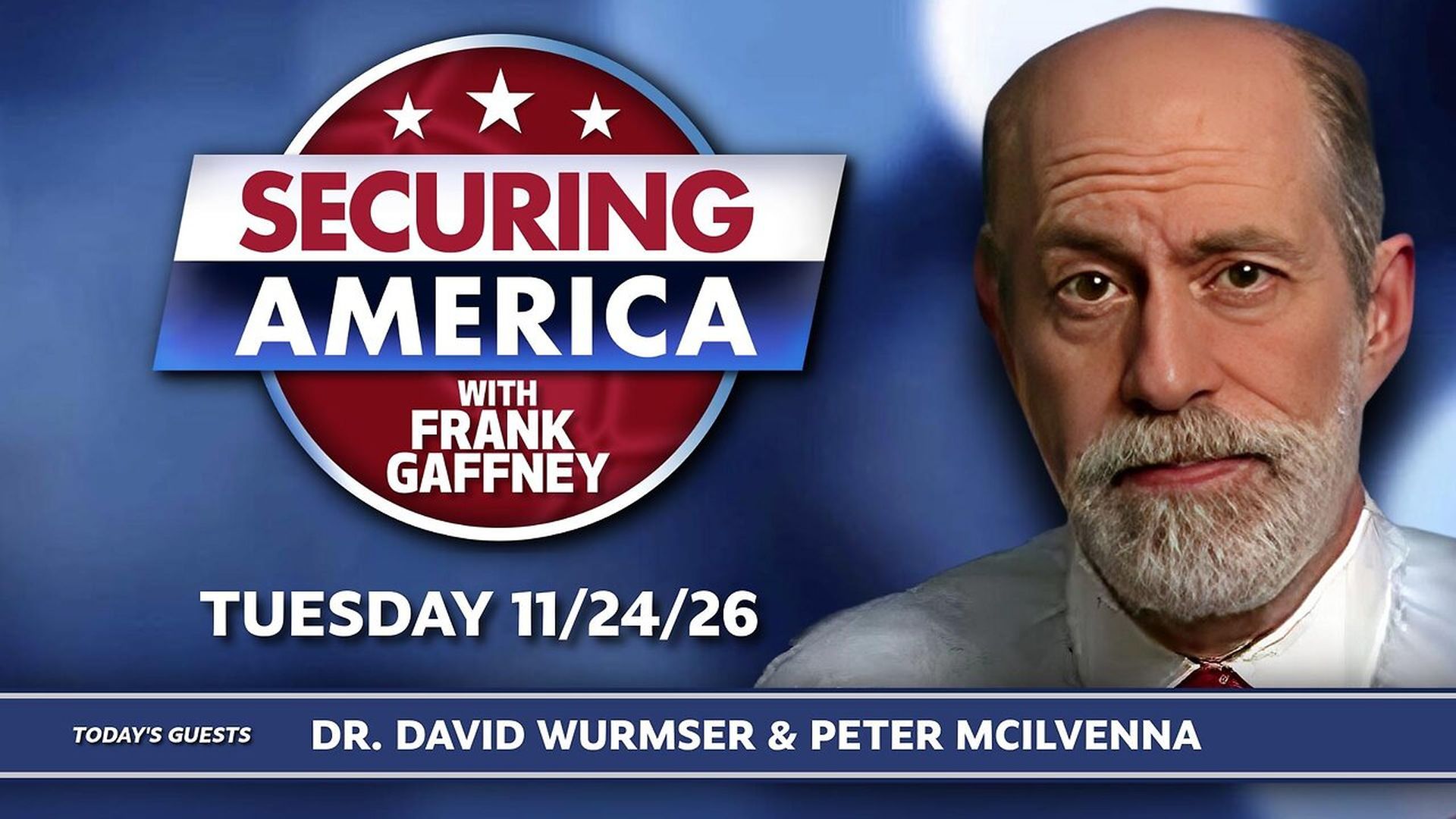
SA635-112426 - Securing America
Frank Gaffney opens Securing America with his trademark declaration of defending the nation "against all enemies, foreign and domestic, to the glory of God and his kingdom." He welcomes Dr. David Wormser, director of the Center for Security Policy’s Mideast Program, who is forward‑deployed in Jerusalem. Wormser walks Gaffney through Israel’s fragmented parliamentary system, explaining how proportional representation forces parties into coalitions after the vote. The two Arab parties that entered the Knesset hold 19 of 120 seats and openly reject Israel’s legitimacy, demanding the state’s dismantling. Their presence creates a deadlock: the right holds 53 seats, the left 55, and the Arab bloc 19, leaving no side able to form a majority without compromising core Zionist principles.Gaffney and Wormser argue that any attempt by left‑leaning parties to ally with the Arab bloc would produce a minority government dependent on anti‑Zionist partners. Such a government, they warn, would likely abandon the planned Iranian strike, because the Arab parties have already conditioned their support on halting operations against Iran, Gaza, a Palestinian state, and a withdrawal from Lebanese territories captured in the October‑6 war. Wormser stresses that Israel’s electorate has shifted rightward since October 7, with 70‑80 % of voters likely to back right‑wing parties if a minority government emerges, especially given the draft burden on reservists—an average Israeli under 45 has logged roughly 400 reserve days over the past three years, straining careers and businesses.The hosts also touch on the broader U.S. context, linking the Israeli stalemate to concerns about the Muslim Brotherhood’s influence in America and the oath controversy surrounding references to God in official pledges. They warn that if officials invoke texts that permit deceit in the name of jihad, national security could be compromised. Throughout, Gaffney frames the discussion as an urgent call to protect America’s interests and to confront threats that seek to undermine democratic institutions both at home and abroad.
Categories: Political Commentary