This content is not available in your region
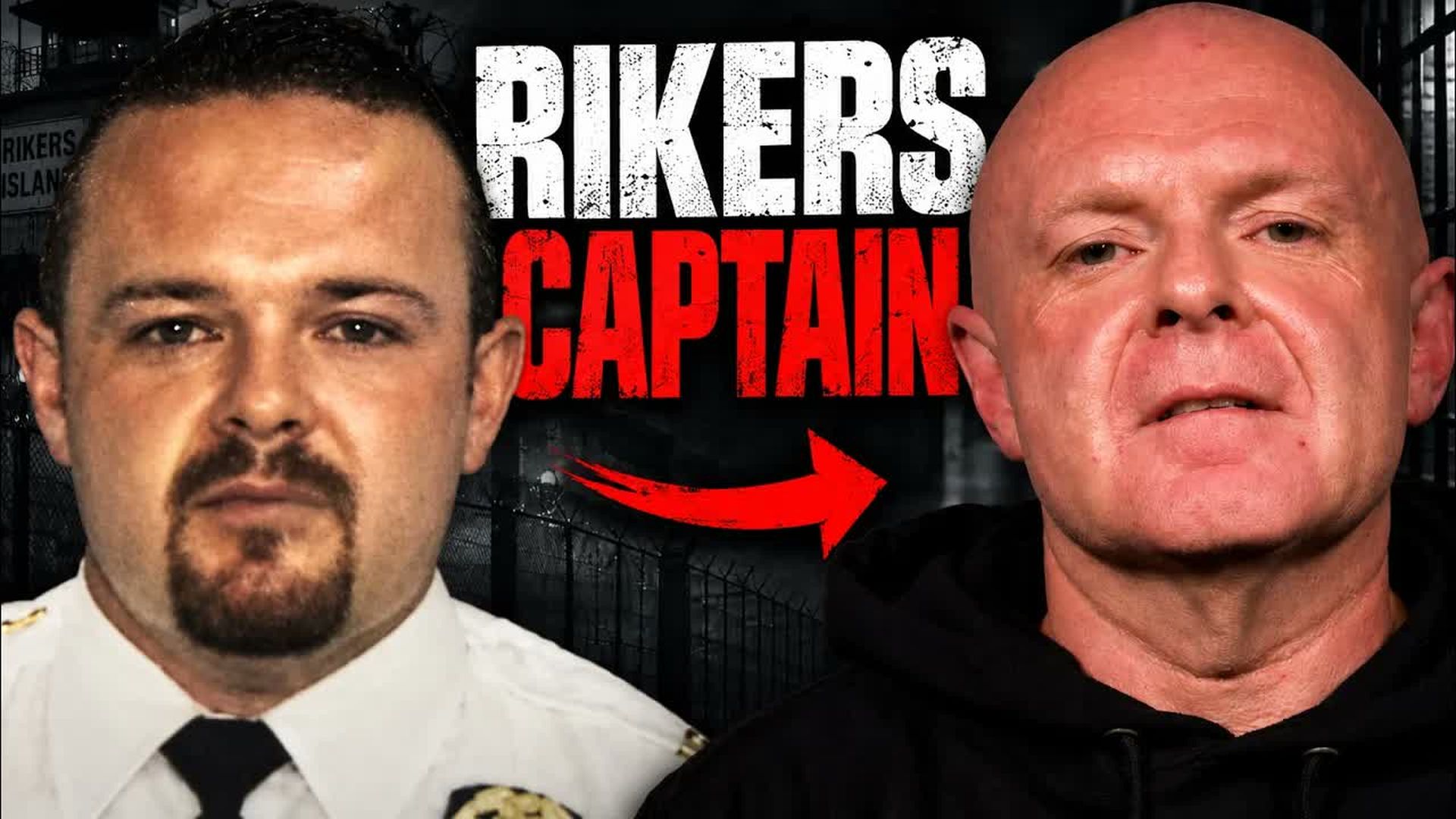
LIW36-I Was One of Rikers Island s Youngest Captains Here s Why I Left - Locked In With Ian Bick
James Kearney takes listeners on a poignant journey through his life, revealing how his early childhood struggles shaped his path to becoming one of the youngest captains at Rikers Island. He candidly shares harrowing encounters, including a visceral moment when he faced a belligerent inmate. As he unpacks his experiences, he highlights the immense challenges within the correctional system, illuminating the stark contrast between the idealism of law enforcement and the harsh realities officers face daily. Kearney reflects on his childhood relocations, the difficulty in forging lasting friendships, and the unspoken anger that marked his youth. Despite the family legacy of law enforcement, he emphasizes that joining the Department of Correction was a choice laden with complexities and misconceptions about the role. Kearney sheds light on the mental health crises among correctional officers, asserting that the system's approach to mental well-being is fundamentally flawed. He advocates for more comprehensive psychological support, revealing the stigma officers face when seeking help. During a raw moment, he bravely discusses his own struggles with mental health and losses within the department. He critiques the operational inefficiencies and the deteriorating supervisory structures within Rikers, pointing out that many captains and officers lack the necessary qualifications and support to effectively manage their roles. Kearney urges a reevaluation of how leadership positions are filled and the importance of enhanced training for those in charge. As he shares his nostalgic memories of the academy, he paints a vivid picture of the contrasting environments that exist within corrections.Ultimately, this episode is more than just a recount of Kearney's career; it serves as a call to action for systemic change, urging a collective reflection on how we support those tasked with managing some of society's most challenging environments.
Categories: Law