This content is not available in your region
FH85-Truth about the Black Panther Party Forgotten History - Forgotten History
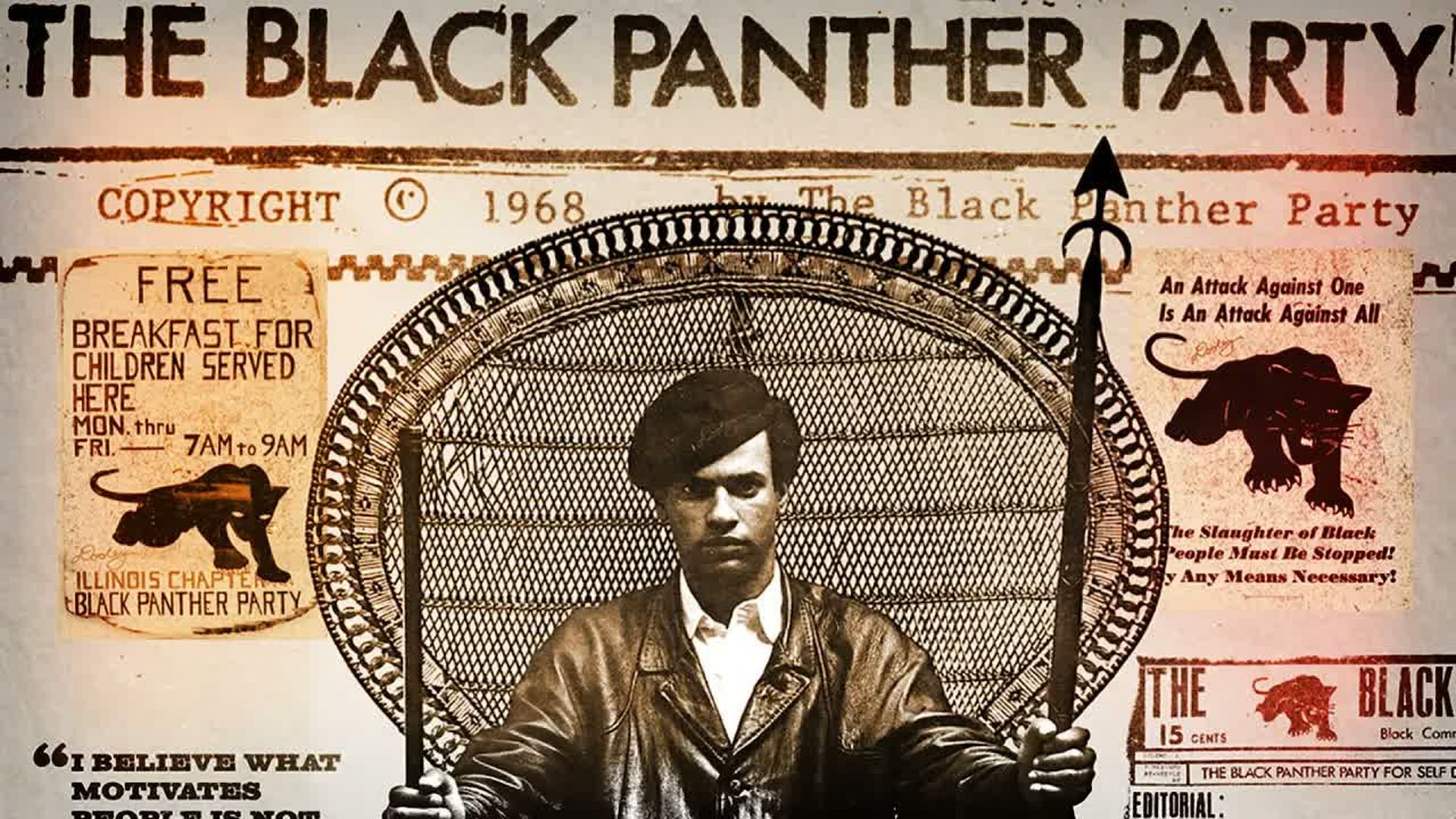
May 2, 1973, a seemingly routine traffic stop on the New Jersey Turnpike spirals into chaos as Assata Shakur and others clash violently with law enforcement, marking a significant moment in the history of the Black Panther Party (BPP). What began as a revolutionary movement in 1966, spearheaded by figures like Huey P. Newton and Bobby Seale, soon transformed into a battleground between empowerment and armed militancy. The party initially aimed to defend Black communities against police brutality with bold tactics and a commanding presence, attracting national attention. But internal struggles, criminal allegations, and violent confrontations with police began to unravel its unity. As the movement evolved, so did its leaders, including influential voices like Eldridge Cleaver and Stokely Carmichael, who reshaped the rhetoric surrounding armed resistance and self-determination. Violence intensified, with notable incidents escalating into deadly confrontations, such as the infamous shootout in Oakland, leading to loss of key lives like Bobby Hutton and Fred Hampton.The tumult of the late '60s propelled an underground faction—the Black Liberation Army (BLA)—to emerge amid a backdrop of chaos, with members fleeing the collapse of the BPP into lives marked by criminality and fugitive status. By the '70s, the pervasive fear of betrayal within the ranks, highlighted by internal murders and vicious trials, rendered the organization splintered and vulnerable. The episode delves deeply into the shadowy transitions from public displays of power to clandestine operations executed by the BLA, tasked with armed robberies and attacks on law enforcement. This shift culminated in acts like the Turnpike shooting, reflecting the tragic culmination of hope, resistance, and violence, but it also set the stage for critical questions about the legacy left behind. How did the fierce aspirations for civil rights dissolve into fear and dissension? Who were the key figures that shaped this transformative chapter in American history, and what remains of the Black Panthers as they faded from prominence? This investigation unveils not only the stark realities faced by the movement’s leaders and followers but also traces the enduring impact of their actions in shaping contemporary discussions around justice, rebellion, and community empowerment.
Categories: Entertainment