This content is not available in your region
FH151-USS Indianapolis - Betrayal Survival and a Scapegoat - Forgotten History
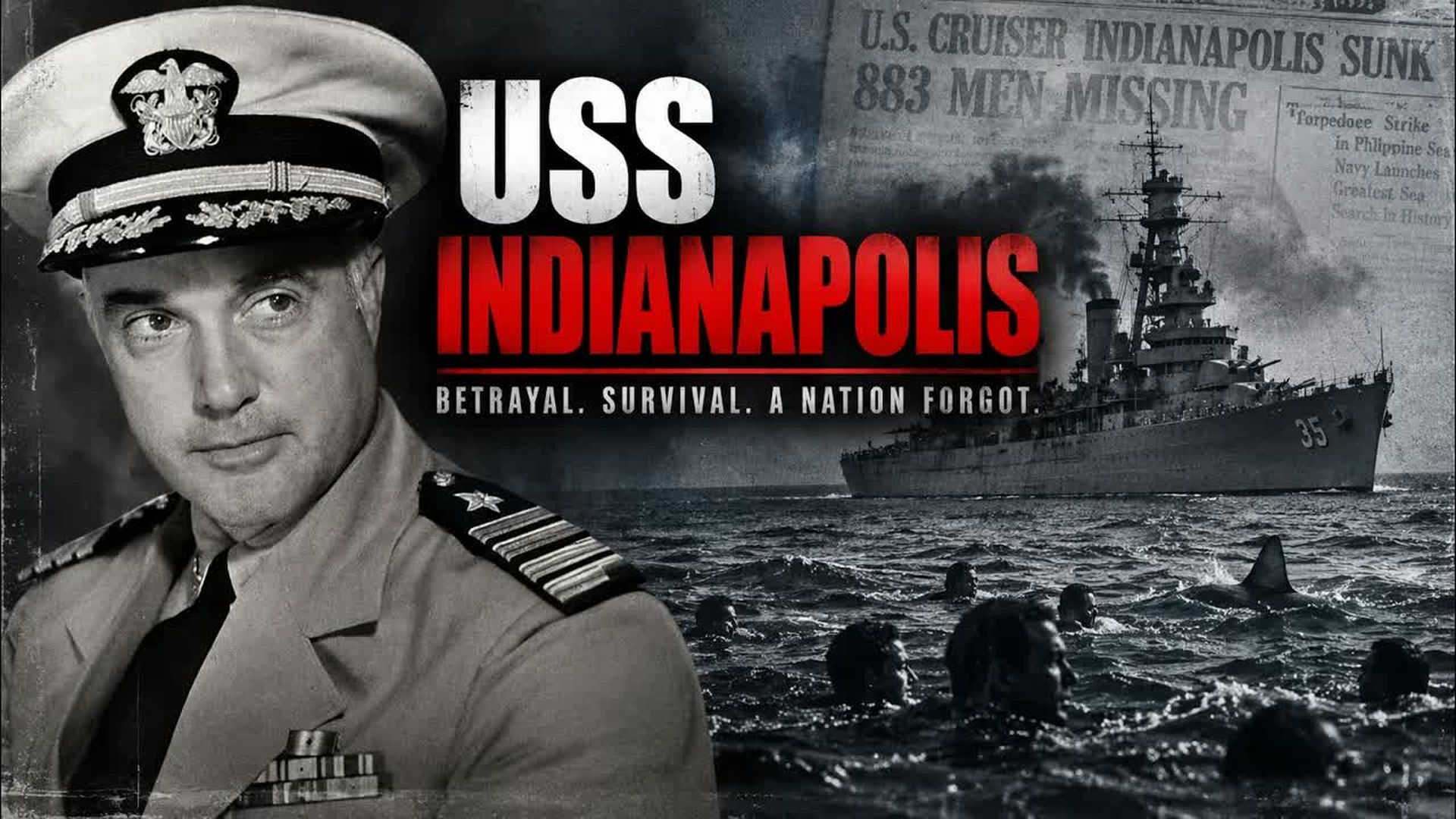
In this episode of Forgotten History, host Michael Droberg, a Marine Corps veteran and filmmaker, teams up with co‑host Colin D. Heaton to peel back the layers of one of World War II’s most tragic naval disasters. They begin with the night of July 29‑30 1945, when the USS Indianapolis vanished in twelve minutes after a torpedo salvo from Japanese submarine I‑58, commanded by Lieutenant Commander Mitsusura Hashimoto. The hosts describe the harrowing aftermath: men clinging to wreckage, the relentless onslaught of sharks, dehydration, hallucinations, and the agonizing realization that the Navy never even knew the ship was missing.Droberg and Heaton trace the cruiser’s secret mission—transporting critical components for the atomic bomb to Tinian—and the chain of communication failures that left Captain Charles Butler McVeigh III without a protective escort or timely intelligence about recent submarine activity. They examine why the Navy’s rescue effort stalled for five days, how the survivors’ ordeal became a nightmarish test of human endurance, and why the Navy chose to court‑martial McVeigh, making him the only captain in U.S. Navy history to be tried for losing a ship to an act of war.The episode then follows the decades‑long fight to clear McVeigh’s name. A teenage researcher, Hunter Scott, discovers the story through a fascination with the film *Jaws* and becomes a catalyst for renewed scrutiny. Hashimoto’s own testimony—first in 1945 and again in 1999—asserts that zig‑zagging would not have saved the cruiser, positioning the Japanese commander as an unexpected advocate for the American captain. Legislative action finally exonerates McVeigh in 2000, though both he and Hashimoto die before the resolution is signed.Finally, Droberg and Heaton recount the 2017 discovery of the wreck by Paul Allen’s expedition, bringing closure to a tragedy that claimed 1,196 lives, of which only 360 survived. The hosts reflect on the legacy of the Indianapolis—its secret atomic cargo, the shark‑infested survival saga, and the enduring debate over responsibility—inviting listeners to reconsider how history remembers both heroism and institutional failure.
Categories: Entertainment