This content is not available in your region
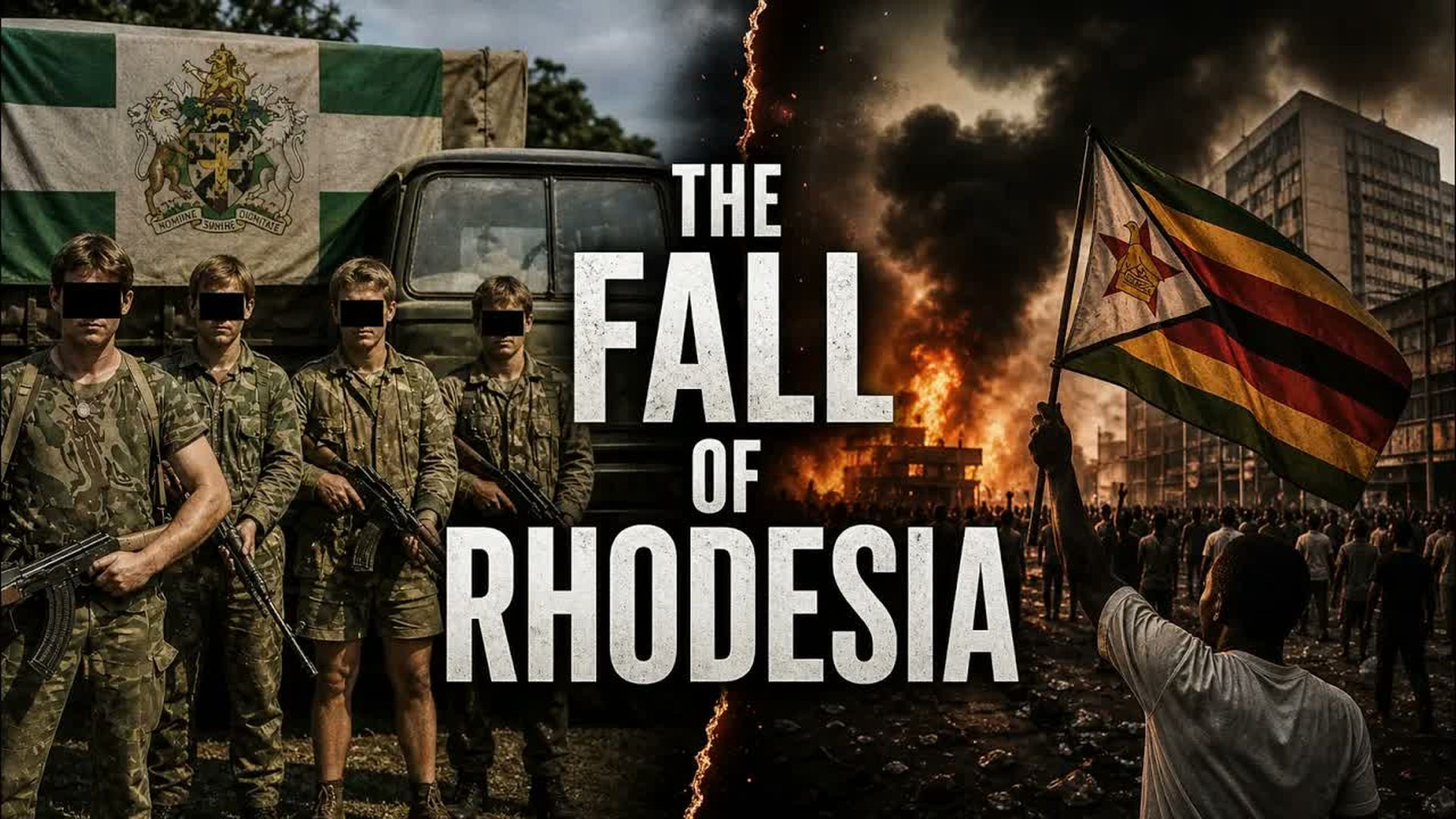
FH102-The Fall of Rhodesia - How a Nation Collapsed - Forgotten History
As the smoke of war hung thick over Rhodesia in the late 1970s, what once stood as a beacon of economic promise in southern Africa began to crumble under the weight of civil conflict and political turmoil. This episode delves into the pivotal moments that marked the descent of a nation, contrasting its past affluence against the backdrop of escalating violence. With armed insurgents disrupting vital infrastructure and rural communities facing devastation, the government found its grip loosening amid the chaos of a war that had transitioned from a contained security issue to an existential crisis. Rhodesia’s strong agricultural and mining sectors, once symbols of prosperity, battled against the unrelenting pressures of military insurgency and crippling sanctions. In 1965, Prime Minister Ian Smith’s unilateral declaration of independence sparked a series of events that deepened international isolation and ignited nationalist movements, setting the stage for a brutal three-sided civil war - the Rhodesian Bush War. As rival factions ZANU and ZAPU engaged in a fierce struggle for dominance, the landscape underwent a dramatic transformation, reflecting the complexity of competing ideologies and external influences. The Lancaster House Conference of 1979 emerged as the key turning point, laying the groundwork for Zimbabwe’s rebirth and Robert Mugabe's ascendancy. As the Lancaster House agreement mandated a ceasefire and free elections, Rhodesia found itself at a crossroads; what would follow would irrevocably reshape its identity and governance. With independence declared in April 1980, Mugabe’s initial promises of reconciliation quickly gave way to political purges and economic strife. Witness the paradox of a nation endowed with a diverse economic foundation yet ultimately spiraling into catastrophic decline. This episode examines the profound impact of Mugabe's land reform policies, highlighting the friction between legacy and ideology that would lead to Zimbabwe's economic devastation. From a once-thriving agricultural sector to rampant inflation and unemployment, we explore the fallout of decisions made in the wake of colonial legacy and civil strife. Who truly holds the responsibility for Zimbabwe’s downfall? Join us as we unravel the intricate threads of history, identity, and power that contributed to this remarkable tale of rise and ruin.
Categories: Entertainment