This content is not available in your region
CP45-Can Roman Catholicism Build Great Nations - CROSSPOLITIC
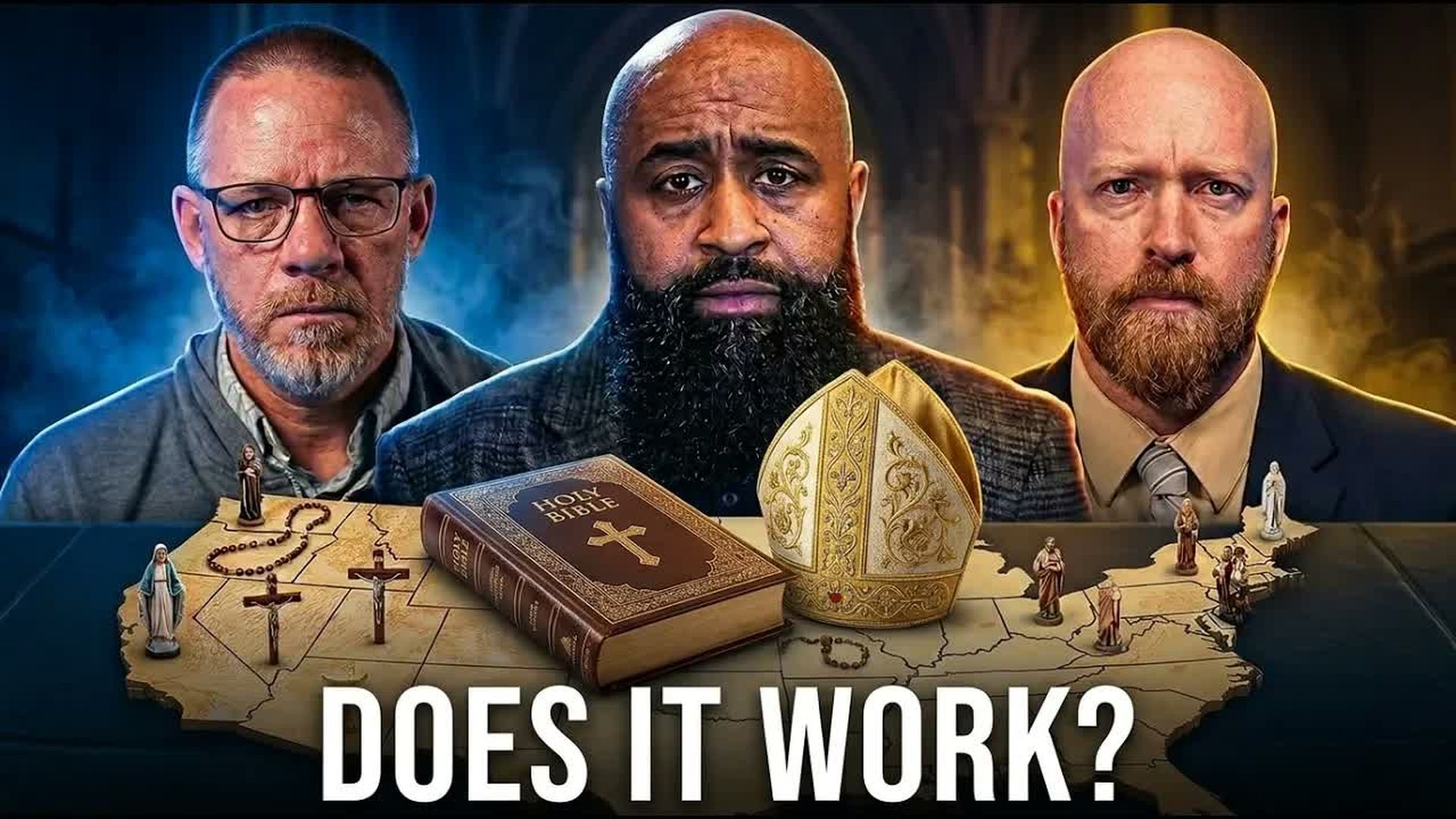
An emperor stands barefoot in the snow, begging for the door to open, behind which the most powerful man in Europe awaits. Excommunicated by Pope Gregory, Henry IV finds himself at the mercy of sacramental power, a chilling reminder of church and state dynamics that echo through history. As the episode unfolds, we revisit key figures like Martin Luther and Charlemagne, exploring their pivotal roles in shaping nations. What drove the pilgrims to America, and what principles fostered the freest nation ever? The clash between Roman Catholicism and Protestantism reveals two distinct blueprints for nation-building. The first, a hierarchical system where the Pope holds the keys to both king and crown; the second, a liberating doctrine that emphasizes personal faith and scriptural authority. From Theodosius's tragic decisions influenced by bishops to the revolutionary ideas of Luther, the discussion centers on how Protestant power dynamics established order and freedom. The narrative dives into the heart of the Protestant Reformation, challenging the Catholic Church's grip over salvation and governance. It asserts that a faith built on justification by faith alone spawns free individuals, which in turn cultivates free societies. As America grapples with its identity in a landscape filled with competing ideologies, the show's conclusion emphasizes that while Roman Catholics can indeed build good nations, they cannot construct great ones without the principles of sola fide and sola scriptura. Ultimately, the episode challenges listeners to reconsider the very foundations upon which nations are built, drawing a line between the historical achievements of Protestantism and the limitations of Catholic theological frameworks.
Categories: Political Commentary