This content is not available in your region
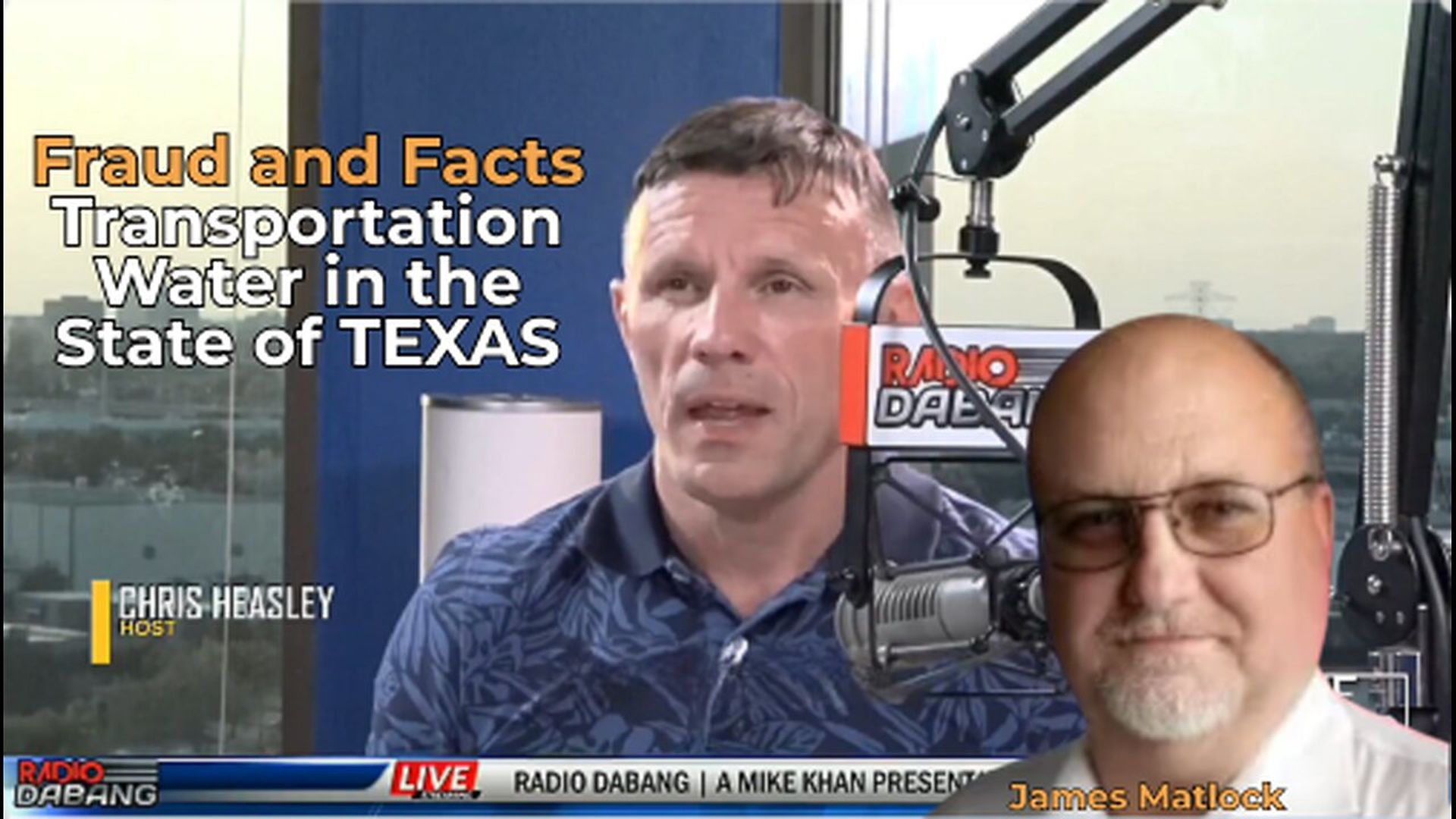
CHS94-Fraud and Facts Transportation Water in the State of TEXAS - The Chris Heasley Show
In a compelling discussion, Chris Heasley dives deep into the role of the Texas Railroad Commission and its significant influence on mineral rights and water infrastructure in Texas. Joined by lifelong Texan James Matlock, they unpack the evolution of the Commission, which originally focused on railroad tariffs but has become a powerhouse regulating the oil and gas industry, including the complexities of horizontal drilling.Matlock reveals the challenges that mineral rights owners face with horizontal drilling practices, where operators extract minerals from far beyond their assigned 40-acre zones. The conversation unveils the unintentional loopholes allowing for what feels like property theft, emphasizing the need for regulatory reform to protect landowners. With environmental concerns on the rise, they discuss potential policies that could safeguard Texas aquifers while still promoting economic growth in energy.Addressing the urgent issue of water supply for booming industries like data centers, Matlock suggests innovative solutions, including recycling wastewater from oil and gas production as a secondary water source. This has the potential to ease pressure on local aquifers and confronts the water scarcity crisis head-on. He also tackles orphan wells and the environmental hazards they pose, beckoning more proactive measures from regulatory bodies.Heasley and Matlock aren't shy about challenging the status quo, discussing campaign promises aimed at amplifying landowner rights and improving regulatory practices for a sustainable future. With a clear eye on the future, they tackle how Texas can adapt to its ever-evolving energy demands without compromising the rights of its citizens or the integrity of its environment.
Categories: Political Commentary