This content is not available in your region
ABS73-Ketanji Jackson Says Running From Police Isn t Suspicious - The Andrew Branca Show
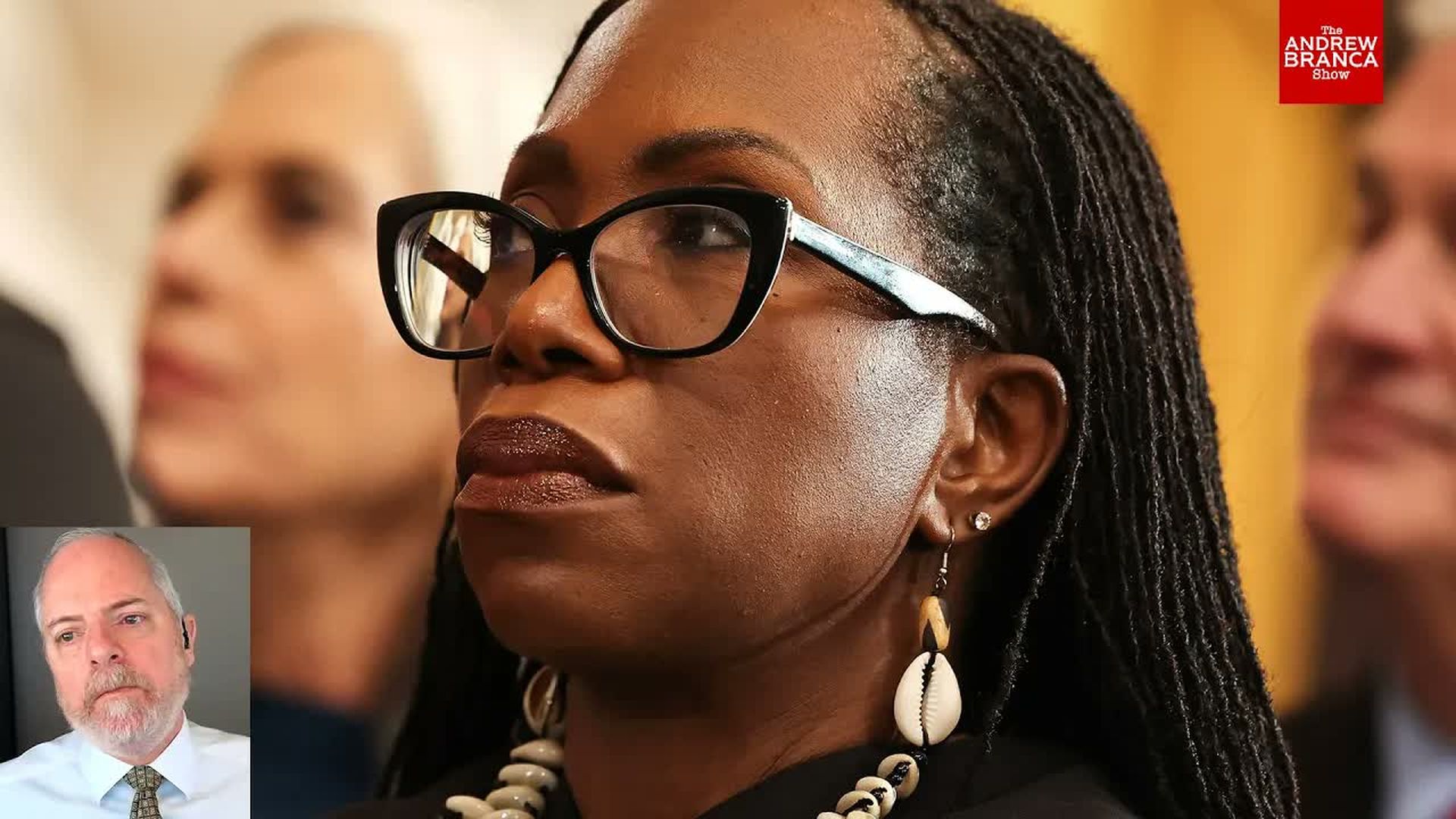
In a landmark decision delivered by the Supreme Court, the longstanding debate over reasonable suspicion in police stops reaches a critical juncture. The case of District of Columbia v. RW showcases the Court's reversal of the DC Court of Appeals, which previously determined that a police officer lacked reasonable suspicion when he intervened as a driver attempted to back out of a parking lot at 2 a.m. after two passengers bolted from a suspicious vehicle. The justices ruled 7-2, affirming that the officer's 'totality of the circumstances' analysis was not only valid but firmly rooted in Fourth Amendment doctrine. This episode delves deep into the ruling, exploring the implications for law enforcement practices and civil rights. Justice Ketanji Brown Jackson's striking dissent draws attention as she critiques the majority's reasoning, suggesting the officers' instincts were unfounded. Instead, Jackson argues that fleeing from police in the dead of night does not inherently signify wrongdoing—a perspective seemingly at odds with the majority's findings that emphasize the significance of flight as an indicator of potential criminal behavior. The discussion pivots around the necessity for a holistic view of circumstances rather than isolated factors that may cloud judgment. The episode scrutinizes key aspects of the ruling, including the implications of the majority's reasoning against Jackson's dissenting voice. As voices of dissent echo, the legal community is left grappling with the broader ramifications for Fourth Amendment jurisprudence and what this means for future investigatory stops. Join us for an insightful dialogue that dissects this pivotal case and the larger themes it brings to the forefront of American law, engaging with questions of justice and procedural integrity.
Categories: Law