This content is not available in your region
ABS252-They Went After The Lindsay Clancy Holdout Now It Could Get CRIMINAL - The Andrew Branca Show
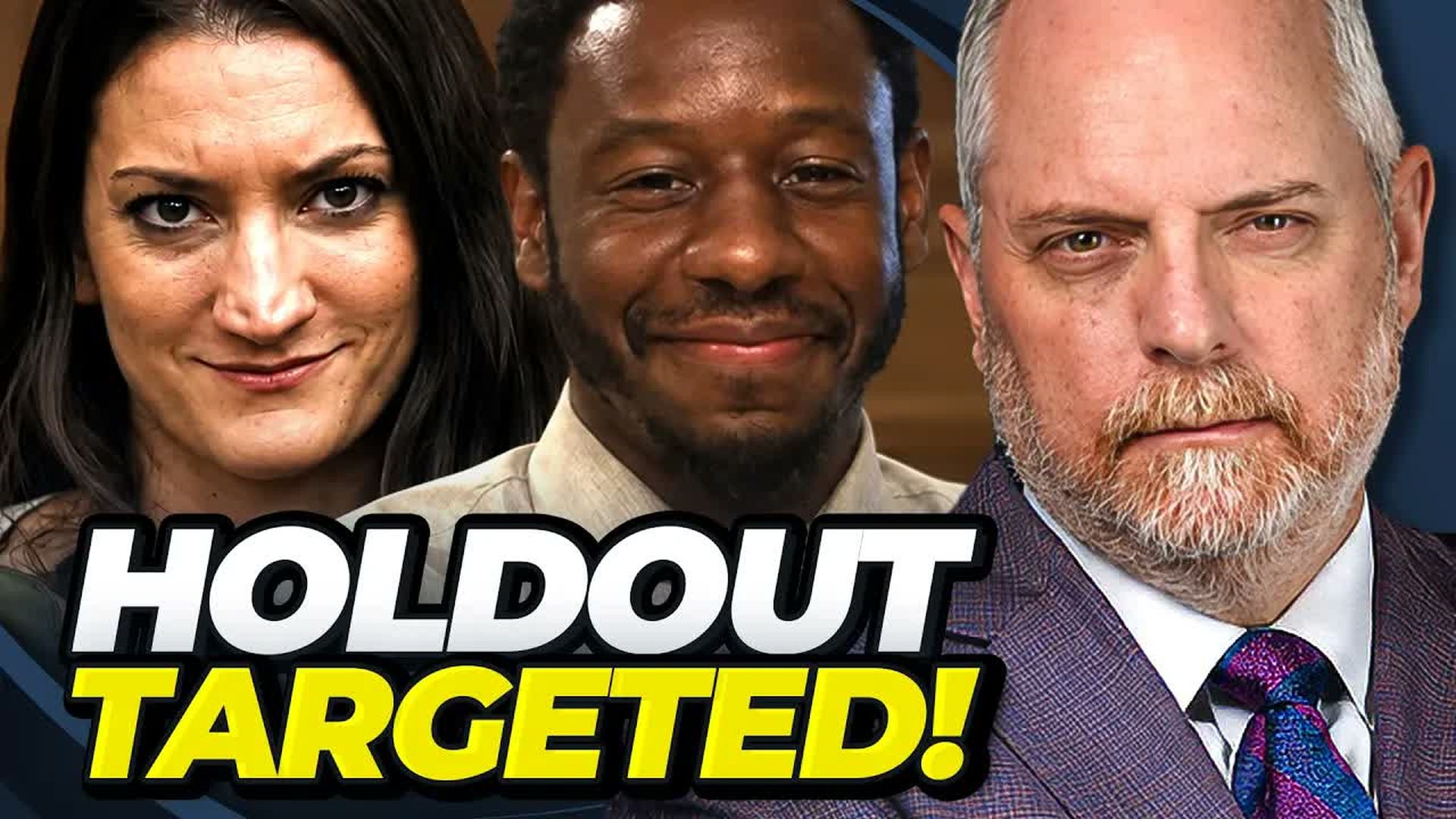
Andrew Branca pulls apart the explosive fallout from the Lindsay Clancy case, where a single Black juror—one of only three men on a twelve‑person panel—became the target of a coordinated doxing campaign. Branca walks listeners through the NBC 10 Boston exposé that painted the juror as a domestic‑violence suspect and a potential squatter, despite the lack of convictions. He questions how the report surfaced, why the juror’s sealed identity was leaked, and whether the media’s focus on his background was a racially motivated double standard.The episode then shifts to a deep dive into Massachusetts law, specifically statute 13B, which criminalizes intimidation of witnesses and jurors. Branca breaks down the statute’s language, the required intent or reckless disregard, and the staggering penalties—up to ten years for harassment, or twenty years when the underlying case carries a life‑sentence. He connects those provisions to the Clancy trial, where the defendant faces mandatory life without parole for first‑degree murder.Branca also critiques the journalistic process, asking why NBC 10’s investigators seemingly scrutinized only the Black holdout while ignoring the eleven white jurors. He highlights the broader implications for juror privacy, the chilling effect on civic duty, and the potential for legal sanctions against media outlets that cross the line into illegal doxing.Listeners are left with a stark warning: the line between investigative reporting and criminal harassment is razor‑thin, especially when race and high‑profile murder trials intersect. The episode equips the audience with the legal facts, the media ethics debate, and a call to protect juror anonymity while holding the press accountable.
Categories: Law