This content is not available in your region
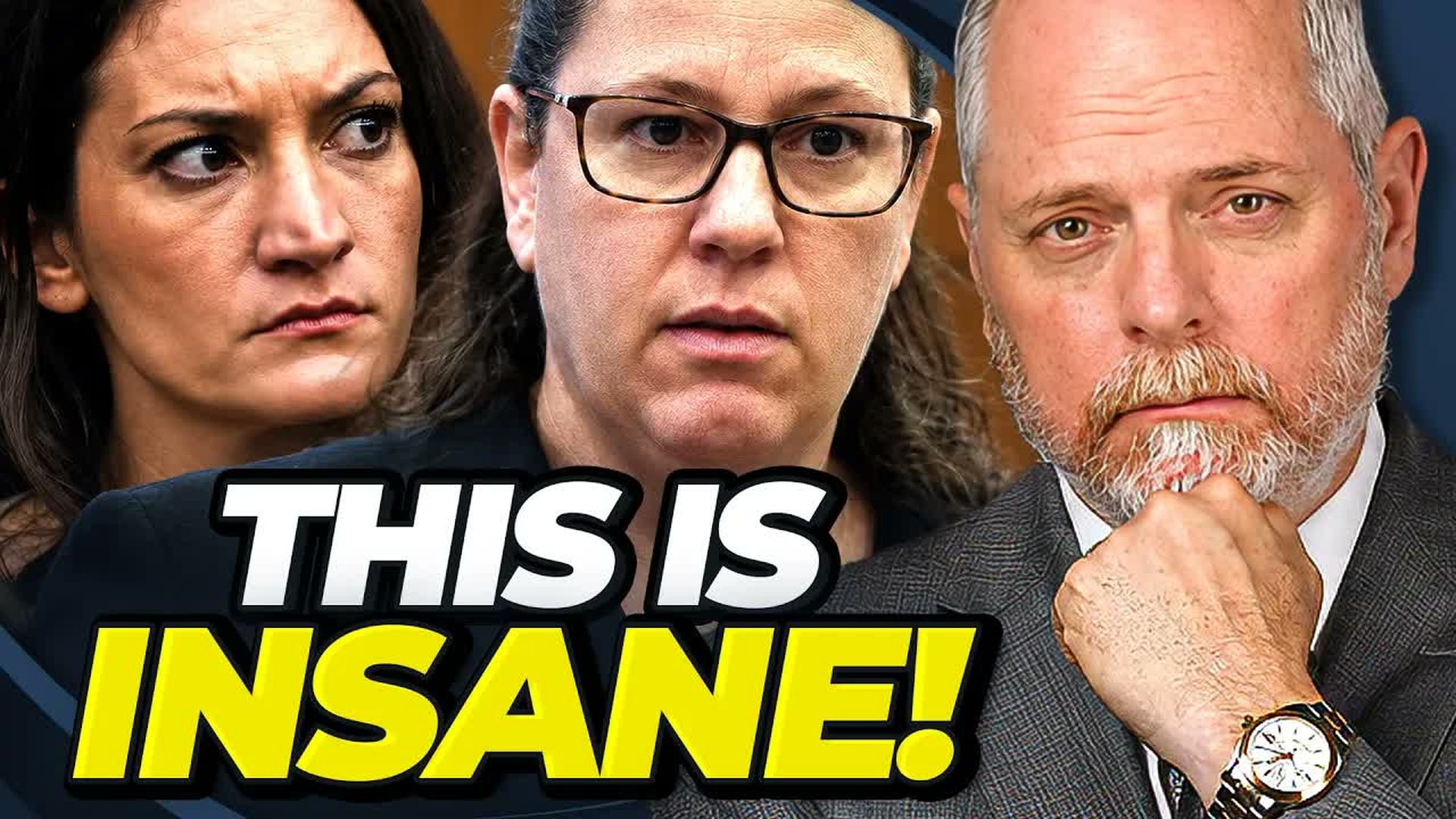
ABS249-Prosecutor FIRES BACK At Lindsay Clancy s New Defense - The Andrew Branca Show
In this courtroom showdown, Commonwealth prosecutor Andrew Branca dismantles the defense’s fresh claim that Lindsay Clancy’s alleged crimes were the product of a psychotic break. Drawing on a litany of Pennsylvania precedents—Commonwealth v. Progetta, Rezac, Cullen, and Lawson—Branca argues that mental illness alone does not erase criminal responsibility. He stresses the two‑prong test: lack of a mental disease or substantial capacity to appreciate wrongdoing, and points to concrete evidence of Clancy’s medication regimen, medical visits, and rational behavior before, during, and after the incident.The debate shifts to procedural battles over juror notes and the constitutional right to a public trial. Defense counsel presses for unsealed bench conferences and redacted juror notes, invoking the SJC’s decision in Commonwealth v. Cohen and double‑jeopardy concerns. Branca counters that any secrecy must meet a narrow, particularized need, and that the public’s interest in transparent deliberations outweighs speculative privacy claims. He underscores the Sixth Amendment guarantee of an impartial jury and warns that sealing the notes could undermine the manifest‑necessity analysis for the prior mistrial.Throughout the exchange, both sides cite case law to frame the stakes: whether the court can dismiss the motion, how juror impartiality is assessed, and what limits exist on courtroom transparency. Listeners hear the raw legal rhetoric, the judge’s measured responses, and the tension between protecting the integrity of the jury system and upholding the public’s right to scrutinize every step of a high‑profile murder trial.
Categories: Law