This content is not available in your region
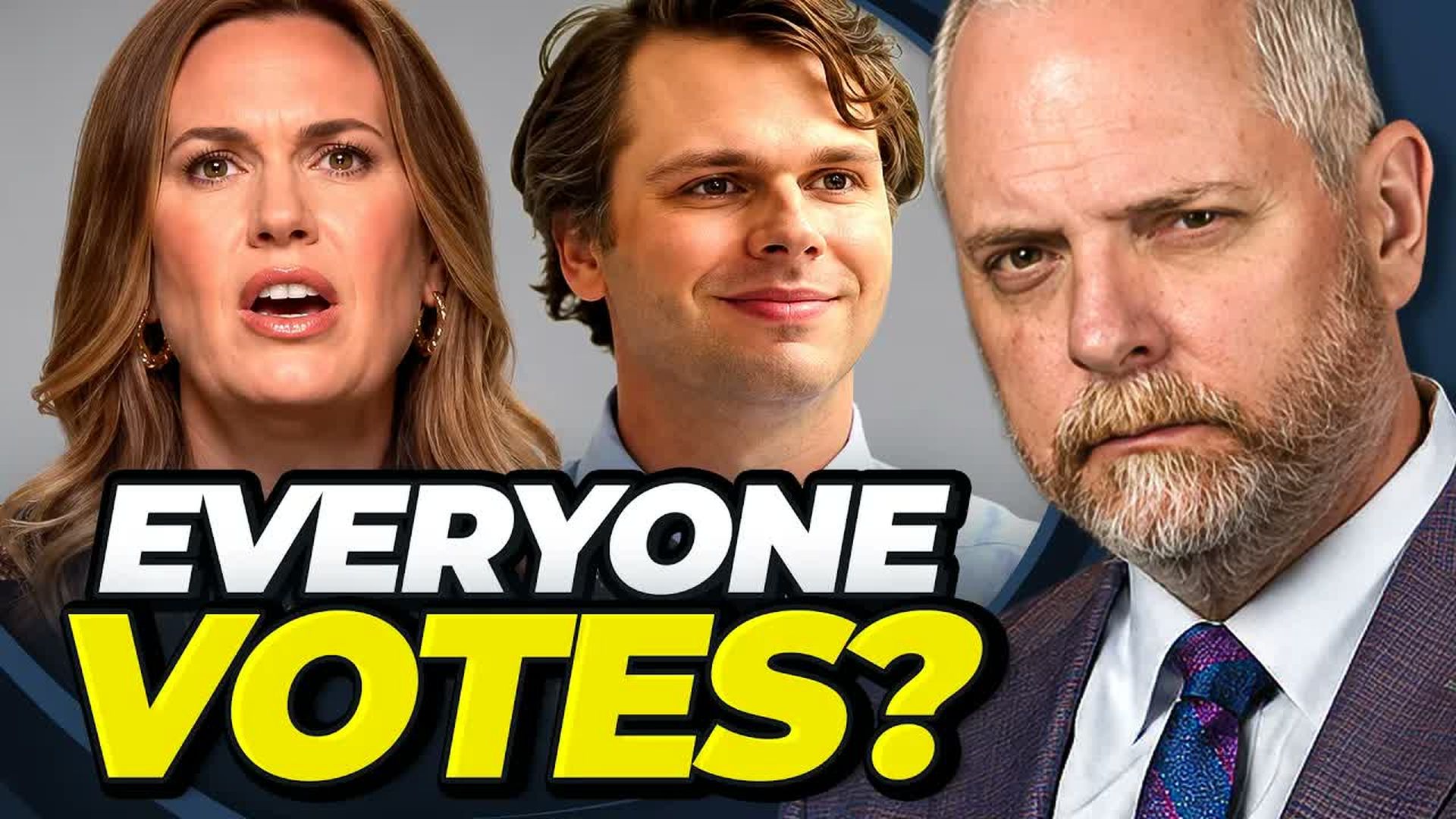
ABS245-Did America Make A HUGE Mistake With Universal Voting - The Andrew Branca Show
Andrew Branca pulls no punches as he dismantles the modern myth of universal suffrage. He argues that the franchise has been hijacked by the bottom 2 % of the electorate, whose votes cancel out the influence of the top 2 % and drive policy toward entitlement rather than excellence. Branca cites a viral Asmongold thread that likens a Thanos‑style snap of the bottom 2 % to an immediate boost in daily life, and he backs the claim with a 1973 observation that poverty has always been humanity’s baseline until a tiny elite lifts society. He contends the Founding Fathers would be outraged that today any citizen over 18, regardless of competence, can cast an equal vote, eroding the merit‑based governance they envisioned.The episode pivots to Arkansas, where Branca spotlights Governor Sanders’ welfare‑to‑work campaign. He breaks down stark racial welfare statistics: roughly 10 % of white Arkansans receive assistance versus about 20 % of Black Arkansans, while a mere 2 % of capable white men are on welfare. Branca uses this disparity to illustrate how the system rewards laziness and punishes productivity, reinforcing his claim that universal voting empowers the “lazy” at the expense of the industrious.Finally, Branca tackles the H‑1B visa program, rejecting the notion that it merely inflates GDP. He argues that importing low‑wage foreign talent undermines American workers, creates permanent ethnic enclaves, and threatens political cohesion. In Branca’s view, any visa pathway must demonstrably benefit the nation, not dilute its labor market.Through a blend of historical context, hard‑hit statistics, and cultural commentary, Branca makes a bold case that extending the vote to everyone is a strategic error that harms good governance, economic vitality, and social cohesion.
Categories: Law