This content is not available in your region
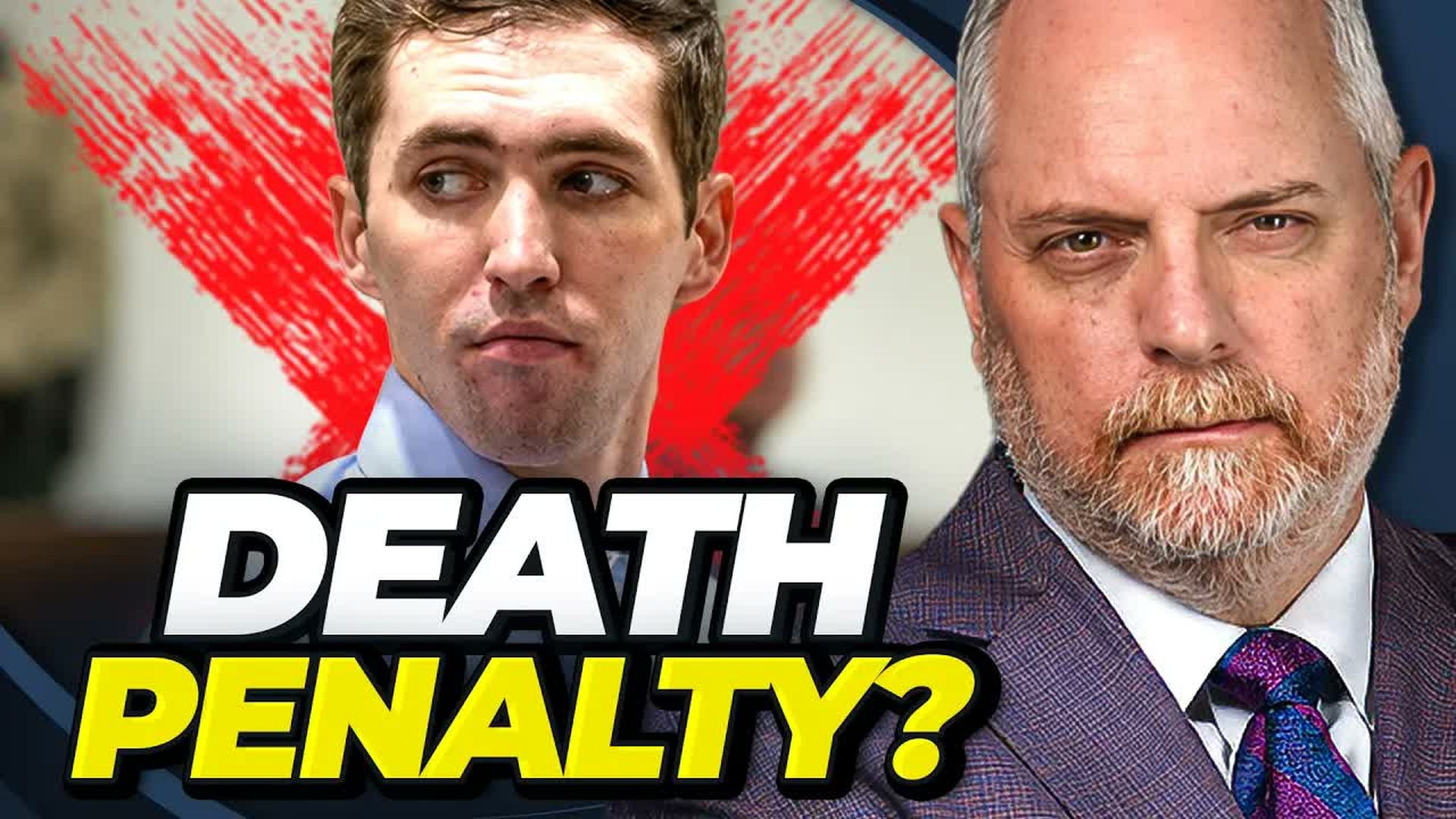
ABS216-Prosecutors Reveal Their Path To The DEATH PENALTY For Tyler Robinson - The Andrew Branca Show
The courtroom echoes with urgency as prosecutors lay bare a chilling narrative of crime and motivation. Tyler James Robinson, accused of the aggravated murder of political activist Charlie Kirk, faces a mountain of evidence. Witness the intense examination of video footage and DNA traces found on the murder weapon that demonstrably links Robinson to that fateful day. Dive deep into the psychological undercurrents, where disagreements over fundamental political ideologies converge into violence. The prosecution posits not just a murder but a politically charged assassination carried out with premeditated intent. With compelling arguments crafted around perceived threats and socio-political discontent, the case raises the question: how do motivations of hatred and societal views intersect with the law? As testimonies unfold, the prosecutor meticulously outlines how Robinson's actions were not just impulsive but indicative of a deeper animosity towards Kirk's advocacy for traditional values. Potential jurors are invited to consider the legal thresholds of probable cause and the significance of common sense in determining the defendant's mental state. The prosecution insists that shooting a high-powered rifle into a densely populated area isn't a mere act of aggression but a conscious decision to endanger lives—a critical aggravating factor that elevates Robinson's crime to a potential death penalty case. Explore the legal intricacies of whether or not the presence of children in that crowd adds weight to the argument and how political context shapes interpretations of guilt. The defense's arguments are thoroughly dissected, showing the stark contrasts in how each side perceives intent and culpability. As the case unfolds, listeners are left questioning not only the boundaries of self-defense and political expression but also the profound implications of ideology in criminality. What remains as the court reaches a consensus on probable cause signals a pivotal moment in both legal and public consciousness.
Categories: Law