This content is not available in your region
ABS198-Why Lindsay Clancy Has A REAL Chance At Acquittal - The Andrew Branca Show
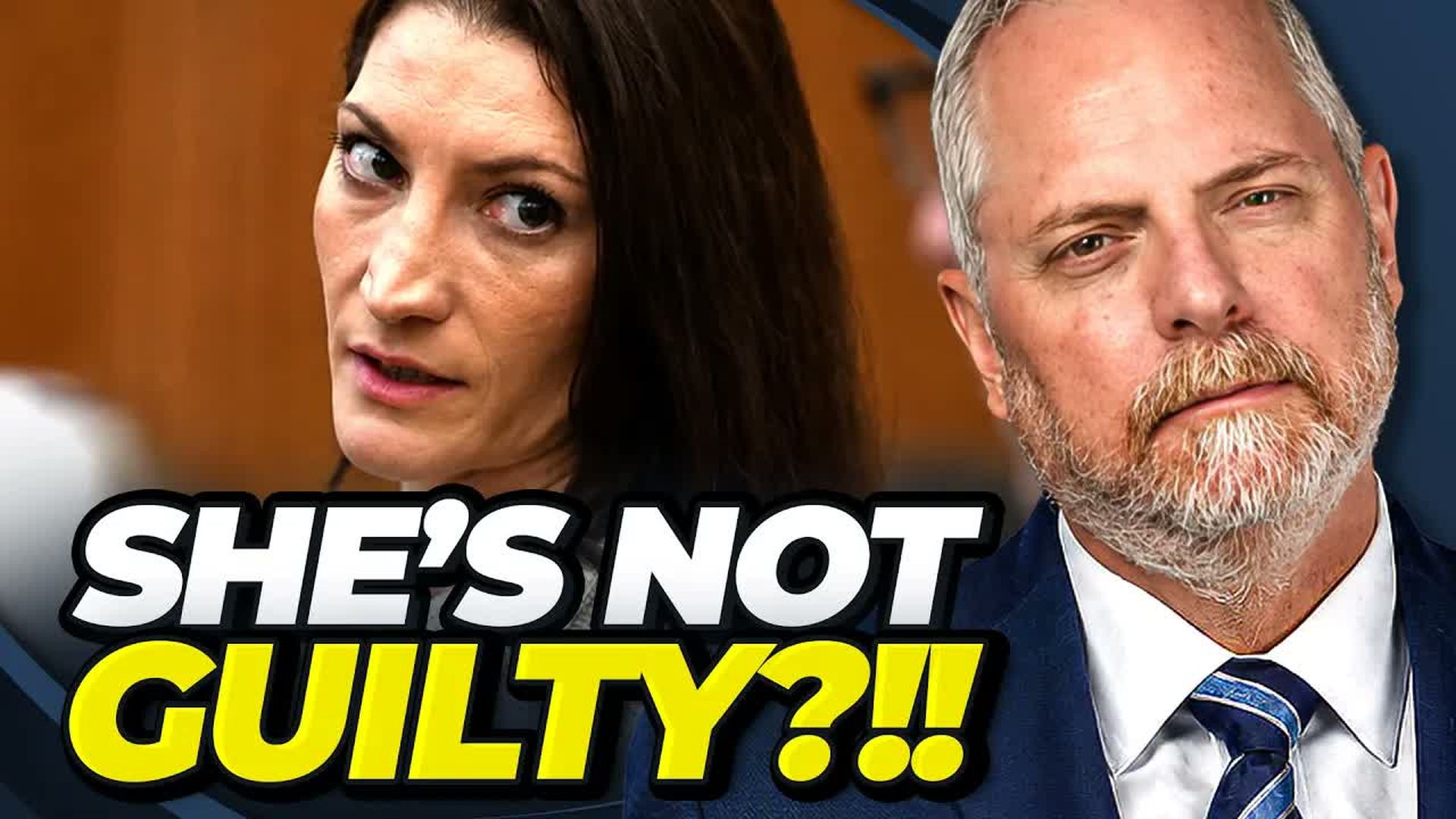
The Lindsay Clancy trial has captured both media attention and public intrigue as it unravels the disturbing details surrounding the deaths of her three children. With the defense resting its case, Andrew Branca digs into the strategic choices being made to argue for an insanity plea rooted in postpartum depression. Amidst emotional testimonies and harrowing evidence presented by the Plymouth County District Attorney's Office, questions arise about the prosecution's approach and its ethical implications. Is the brutal exposure of the family's tragedy necessary for justice, or does it infringe upon basic human dignity? The episode challenges listeners to consider the obligation of the state to intervene in cases of maternal violence while questioning whether the trial will deliver a just outcome.Branca elaborates on the complex standards governing the insanity defense, particularly under Massachusetts law, which intriguingly retains the burden of proof on the prosecution to disprove a defendant's insanity beyond a reasonable doubt. This situates Clancy's defense in a precarious position, where they only need to instill reasonable doubt for a potential acquittal. A thorough exploration reveals the nuances of the McNaughton rule and the Model Penal Code, dissecting how Clancy’s defense could hinge on whether she genuinely detached from reality during the alleged crimes. Would the jury accept that Clancy felt compelled beyond her control, or would they find her guilty of a crime too heinous to forgive?As public opinion looms large over the trial’s proceedings, the discussion highlights how sentiment can inadvertently shape judicial outcomes. The intricate interplay between legal standards, mental health evaluations, and societal expectations form the crux of this episode—inviting more questions than answers as it probes the limits of culpability and compassion in the eyes of the law. As all eyes turn toward the jury, will they view Clancy as a troubled mother or a criminal? Join in for a dissection of a case that brings the fractures of law, morality, and mental health into sharp relief.
Categories: Law