This content is not available in your region
ABS174-The Law DOESN T Support Shiloh Hendricks Conviction - The Andrew Branca Show
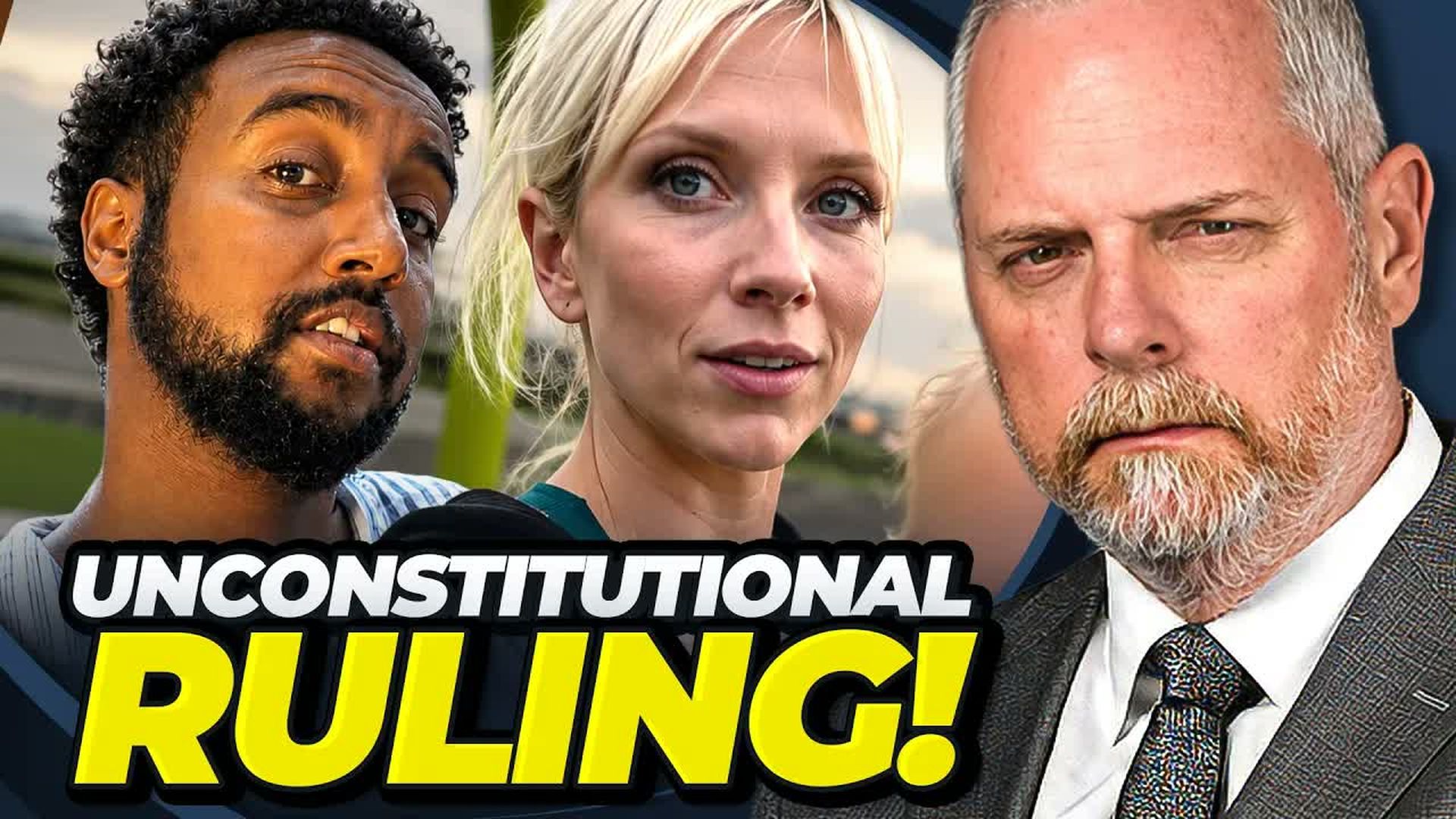
In a detailed legal analysis, Andrew Branca dissects the controversial conviction of Shiloh Hendricks on disorderly conduct charges, raising critical questions about constitutional rights and judicial impartiality. The episode delves into the specifics of Minnesota law, particularly regarding fighting words, and juxtaposes Hendricks' case with high-profile incidents like the Ahmaud Arbery case to highlight potential bias embedded within the judicial system. Branca scrutinizes the legal foundation of Hendricks' conviction, arguing that the foundational precedents of First Amendment rights were inadequately considered. Shiloh’s trial raises deep-seated concerns about the implications of social dynamics, including race, and the role they may play in court decisions, demonstrating that mere words, devoid of context or accompanying threatening behavior, should not suffice for criminal charges. The conversation explores the definitions of disorderly conduct under Minnesota statutes, underscoring how this case deviates from established criteria through comparisons with other legal precedents. By evaluating the judge's conduct and the perceived bias in the courtroom, Branca offers a bold perspective on the justice system's handling of cases involving minority communities. A nuanced discussion about the Doctrine of Lenity further enriches the discourse, illustrating how ambiguous laws should favor the defendant, challenging the very core of the convictions made against Hendricks. Listeners will walk away with a sharper understanding of the intricacies of legal terminology, civil rights challenges, and the importance of context in observing courtroom proceedings.
Categories: Law