This content is not available in your region
AAT10-I Asked a Soil Scientist What s Wrong With Our Gardens Not What You Think - Anne of All Trades
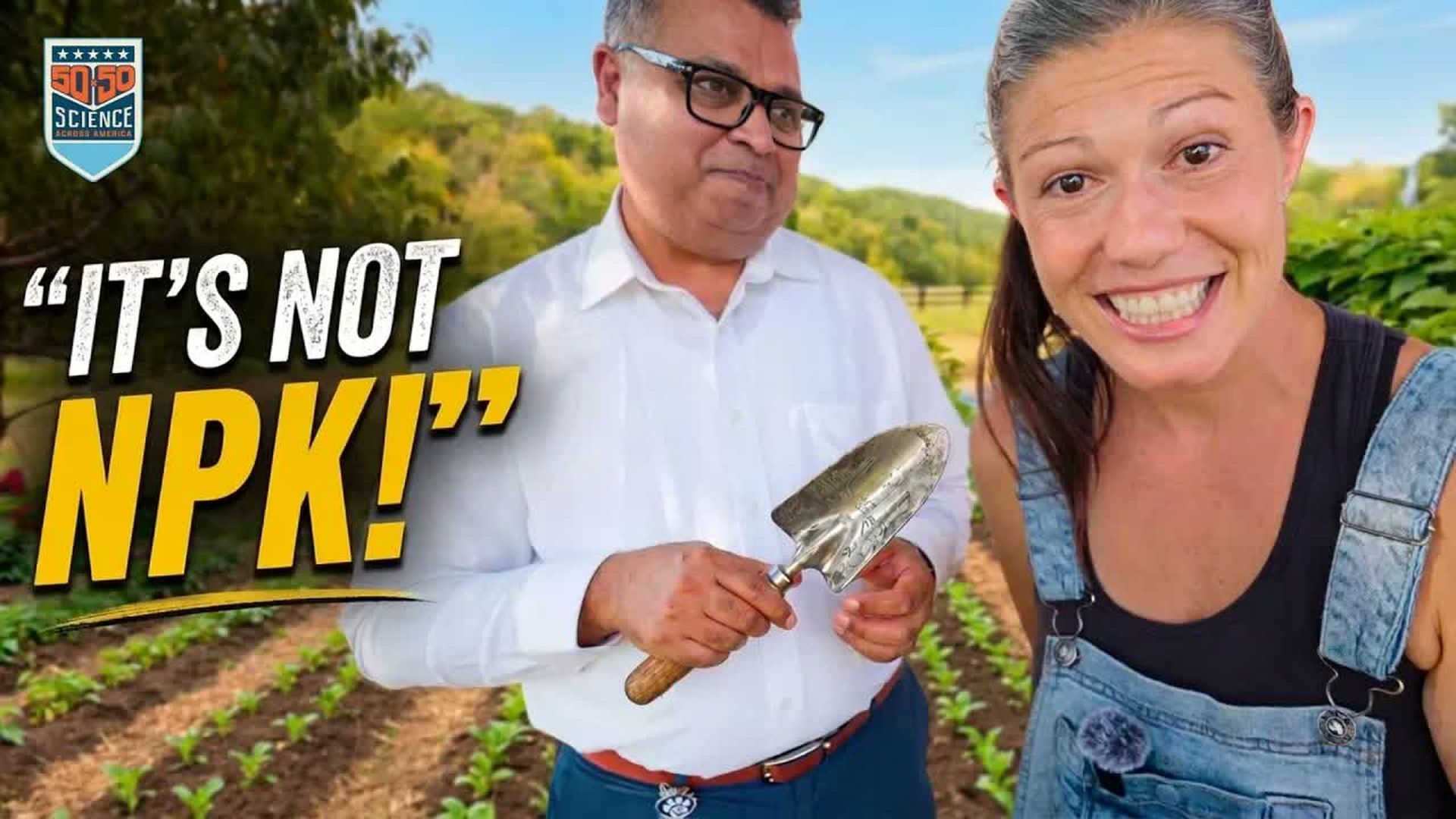
In this episode of *Anne of All Trades* the hosts team up with Dr. Sagata Bardhan, a soil scientist at Tennessee State University, to uncover why a patch of soil that looks fertile on paper can still be a dead zone for plants. They walk through the farm’s transformation from hard clay to thriving earth, using a bet on earthworms to illustrate how these tiny engineers rebuild soil structure, improve water infiltration, and replace the need for a noisy tiller.The conversation dives deep into the science of organic matter, explaining how wood chips alter the carbon‑to‑nitrogen (C‑to‑N) ratio and why microbes must borrow nitrogen to break down carbon‑rich mulch. Listeners learn why compacted soil suffocates roots, how adding organic matter and encouraging microbial life restores porosity, and why a balanced C‑to‑N ratio is the secret to nutrient‑dense crops.Beyond the garden, the hosts connect soil health to human health. They compare a basic soil test to a doctor's blood pressure check and introduce a “fifth player” in soil nutrition: mineral balance. While most farmers test only nitrogen, phosphorus, and potassium, plants actually need 18‑20 minerals. The episode highlights how deficiencies or excesses—like elevated nickel uptake—can translate into micronutrient gaps or toxicities in our diets, contributing to widespread deficiencies and even autoimmune challenges.Personal health monitoring makes an appearance when the host shares data from a WHOOP Advanced Labs assessment, revealing stress‑related cortisol spikes and iron‑absorption issues tied to diet timing. This real‑world example underscores the episode’s thesis: fixing soil is a direct pathway to fixing our bodies.Finally, the hosts preview ongoing research with Dr. Burden and Dr. Berdine, who are studying soil‑microbe‑gut connections using zebrafish models. Listeners are invited to support this work and consider how nature‑based, soil‑first solutions can reduce pesticide reliance, conserve water, and nourish the next generation.Whether you’re a seasoned farmer or a backyard gardener, the episode offers actionable insights—soil testing, organic matter management, and fostering earthworm populations—to turn any plot into a resilient, health‑boosting ecosystem.
Categories: Local Farms & Gardens