This content is not available in your region
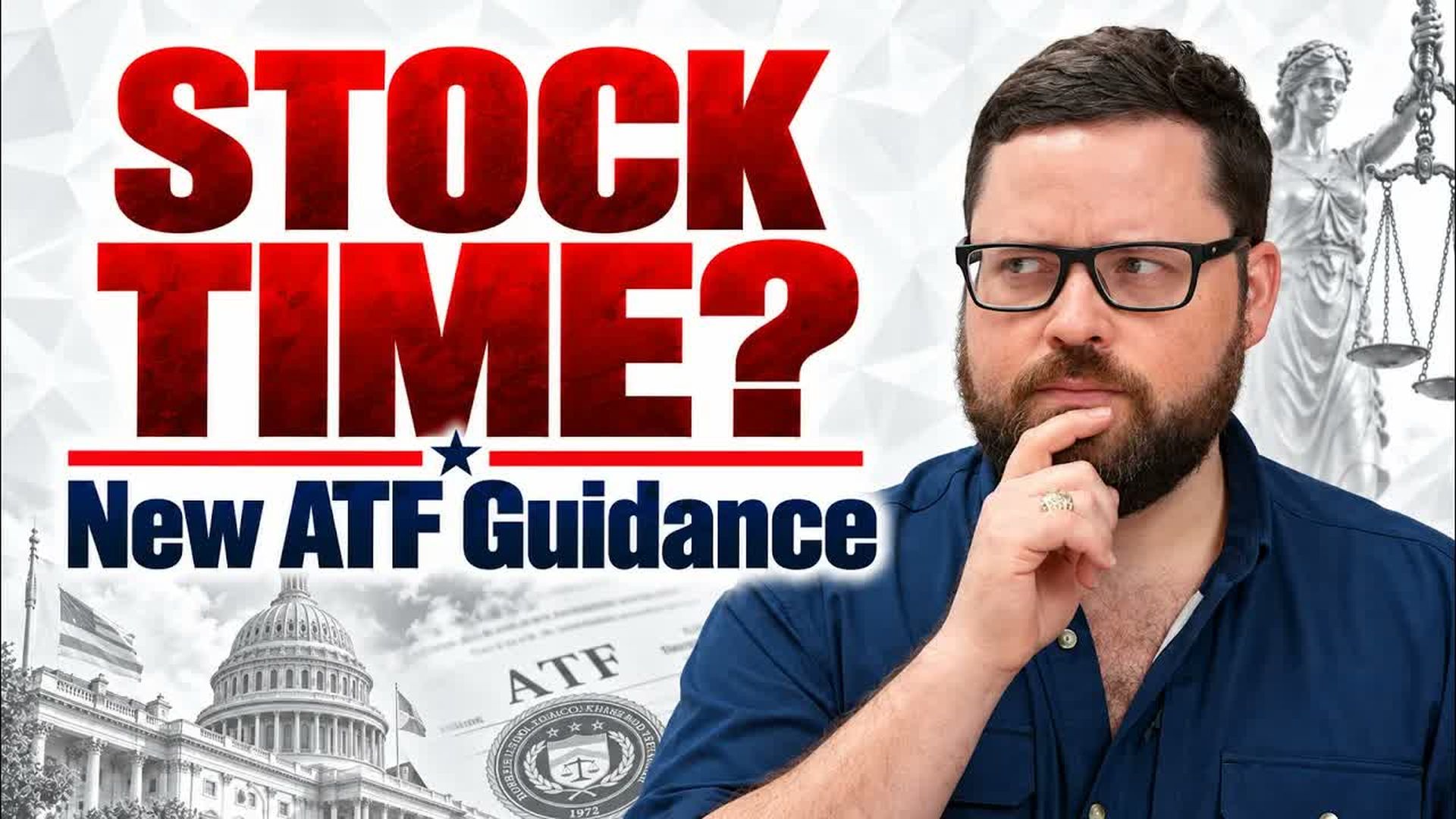
AA173-NEW ATF Guidance Burning Questions Answered - Armed Attorneys
Richard D. Hayes and Emily Taylor return to Armed Attorneys to dissect the ATF’s October 9 2026 guidance and what it means for owners of National Firearms Act (NFA) items. They start by clarifying that the new guidance governs federal law only, reminding listeners that many “gun‑unfriendly” states still impose their own prohibitions on suppressors, short‑barrel rifles (SBRs), short‑barrel shotguns (SBSs) and machine guns. Texas, however, has recently repealed its state bans on short‑barrel firearms thanks to Senate Bill 1556, a change Hayes credits to Representative Hays.The hosts then field a series of listener questions. For a Texas‑based caller, they explain that an adjustable stock can be added to an SBR without triggering new registration requirements, and that home‑built suppressors still need to be registered if the owner wants federal compliance. They walk through ATF Form 2320.20, noting that the form remains mandatory for interstate transfers of SBRs, SBSs and other “any other weapons” (AOWs), even though enforcement may be lax for now.Next, they tackle vertical foregrips on AR pistols. Under the old rule, attaching a foregrip turned a pistol into an AOW, requiring a Form 1 or Form 4. The updated guidance leaves the classification unchanged, so owners must either remove the grip or complete the appropriate paperwork.Trust questions follow. Hayes and Taylor explain that NFA trusts still serve to allow multiple parties to possess NFA items, but the original advantage of bypassing chief‑law‑enforcement‑officer approval has been eliminated. They advise against placing non‑NFA (GCA) firearms in a trust unless there are specific estate‑planning reasons.Finally, the duo addresses a niche query about Class III laser pointers, emphasizing that these devices are regulated like other dangerous weapons and can trigger federal penalties if used to endanger aircraft or blind a person during a self‑defense encounter.Throughout, the hosts stress the importance of checking state law, keeping registration current, and staying prepared for any future ATF enforcement shifts.
Categories: Law